Beyond the Heaviest Dumbbell at Planet Fitness: Home Neoprene Guide
Transitioning from commercial gyms to home neoprene dumbbells? Avoid common mistakes, troubleshoot material issues, and adapt your training effectively.

The Commercial Gym to Home Gym Reality Check
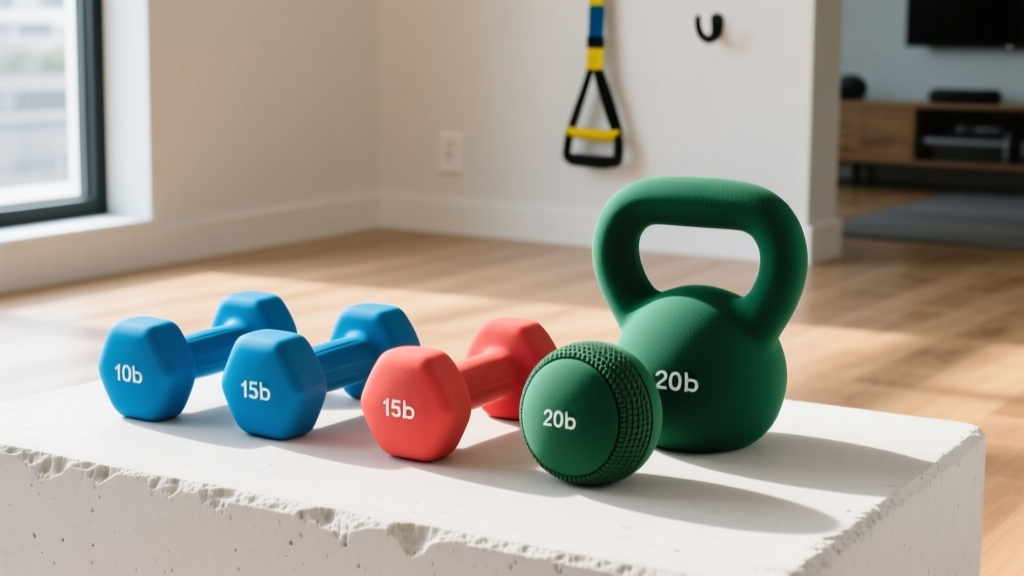
For millions of lifters, the commercial gym is the proving ground. You spend months progressively overloading, eventually working your way up to the heaviest dumbbell at Planet Fitness—which, depending on your location's 2026 equipment refresh, typically maxes out at 75 or 80 pounds. But when life gets busy and you transition to a home gym, budget and space constraints often lead beginners to purchase fixed neoprene-coated dumbbells. These colorful, synthetic rubber weights usually cap out at 15 to 20 pounds per hand for ergonomic hex sets.
The transition from heavy commercial iron to light home neoprene is fraught with programming errors, grip miscalculations, and material maintenance failures. This guide breaks down the most common mistakes home gym owners make with neoprene dumbbells and provides a concrete troubleshooting framework to keep your gains intact.
⚠️ The Load Gap Warning
If you are accustomed to pressing the 75 lb dumbbells at a commercial gym, a 20 lb neoprene home dumbbell provides only 26% of your accustomed working load. Attempting to use the exact same rep ranges and tempos will result in rapid detraining. You must manipulate time under tension (TUT) and leverage to compensate for the missing 55 lbs of iron.
Mistake #1: Misjudging the Grip and Balance Shift
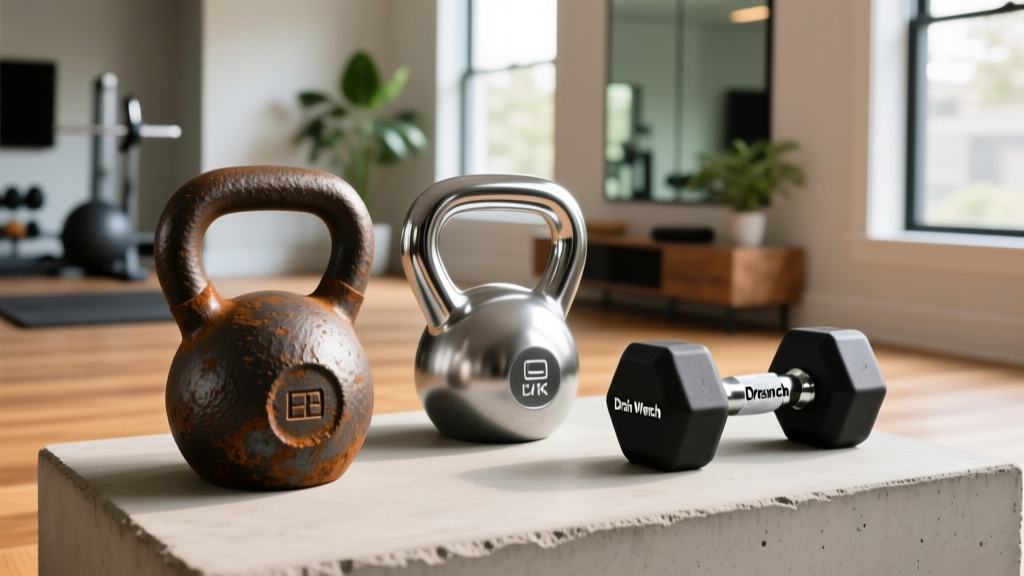
Neoprene (polychloroprene) is a synthetic rubber that provides a soft, tactile grip. However, the manufacturing process for budget neoprene dumbbells—like the popular CAP Barbell or Yes4All lines—often results in a thicker, less dense handle compared to bare cast iron or urethane.
The 'Bulky Weight' Phenomenon
A 20 lb neoprene dumbbell is physically larger than a 20 lb machined steel dumbbell. Because the neoprene coating adds millimeters to the handle diameter, your forearm flexors must work harder to maintain a closed grip. Troubleshooting this requires acknowledging that your grip will fail before your target muscle group does during pulling movements like dumbbell rows.
- The Fix: Implement active grip conditioning. Do not use lifting straps with light neoprene dumbbells; instead, use a thumbless (suicide) grip on pushing movements to reduce forearm fatigue, and focus on mind-muscle connection rather than sheer load displacement.
- Pricing Context: As of early 2026, a pair of 20 lb CAP Barbell Neoprene Hex dumbbells retails for roughly $65.00. If the handle thickness is causing wrist strain, consider upgrading to a urethane-coated set (like Rep Fitness Urethane), which costs closer to $180.00 for the same weight but features a contoured, knurled steel handle.
Mistake #2: Ignoring Neoprene Material Degradation
Unlike the heavy-duty rubber found in commercial gyms, neoprene is highly susceptible to environmental degradation. Many home gym owners store their weights in uninsulated garages or near windows, leading to rapid material failure.
| Material | UV/Heat Resistance | Sweat/Acid Resistance | Average Cost (per lb) |
|---|---|---|---|
| Neoprene | Poor (Chalks/peels) | Moderate (Stains easily) | $1.50 - $2.00 |
| Virgin Rubber | Moderate | High | $2.50 - $3.50 |
| Urethane | Excellent | Excellent | $4.50 - $7.00 |
Troubleshooting the 'Garage Gym Smell' and Peeling
Neoprene breaks down when exposed to temperatures exceeding 140°F (common in summer garages) and prolonged UV light. When it degrades, it releases a distinct, noxious chemical odor and begins to flake off onto your flooring.
- Stop using bleach or ammonia-based cleaners. These harsh chemicals strip the synthetic oils from the polychloroprene, accelerating the drying and peeling process. According to material safety guidelines regarding synthetic rubber polymers, mild pH-neutral soaps are required.
- The Baking Soda Protocol: To neutralize trapped sweat acids and odors, create a paste of baking soda and distilled water. Apply it to the neoprene heads, let it sit for 15 minutes, and wipe clean with a microfiber cloth.
- Fixing Peeling Edges: If the neoprene is separating from the cast iron core near the handle, do not use Super Glue (cyanoacrylate), which becomes brittle. Use a flexible marine-grade adhesive like 3M Marine Adhesive Sealant 5200 to bind the rubber back to the iron.
Mistake #3: Failing to Adapt Programming for Lighter Loads
The most critical mistake lifters make when moving from the heaviest dumbbell at Planet Fitness to a 15 lb home neoprene set is abandoning progressive overload. You cannot simply do 3 sets of 10 reps with 15 lbs and expect hypertrophy if your 10-rep max at the gym was 50 lbs.
Research published in the Journal of Strength and Conditioning Research demonstrates that low-load resistance training (30-50% of 1RM) can produce hypertrophic outcomes equal to high-load training, provided the sets are taken to momentary muscular failure.
The Home Neoprene Overload Matrix
To bridge the gap between your commercial gym strength and your light home equipment, implement these specific intensity techniques:
- 1.5 Rep Method: Perform a full eccentric lowering, come halfway up, return to the bottom, and then complete the full concentric phase. This doubles the time spent in the stretched position, where muscle damage (and subsequent growth) is highest.
- Deficit Unilateral Work: Stand on a 4-inch step or thick weight plate. Performing Bulgarian split squats or single-leg Romanian deadlifts with 20 lb neoprene dumbbells will challenge your stabilizers and stretch the hamstrings/glutes deeply, mimicking the systemic fatigue of much heavier bilateral barbell work.
- Myo-Reps (Rest-Pause): Take your light dumbbells to absolute failure (e.g., 25 reps). Rack them for 10 seconds. Perform 5 more reps. Rack for 10 seconds. Repeat until you can no longer hit 5 reps. This ensures complete motor unit recruitment despite the lack of external load.
Step-by-Step Troubleshooting Guide for Slipping Grips
One of the most frequent complaints regarding neoprene dumbbells during high-rep home circuits is that the handles become dangerously slick once sweat accumulates. Unlike bare iron, chalk does not adhere well to synthetic rubber; it simply cakes into the micro-texture and creates a slippery paste.
✅ The Grip Traction Fix
Step 1: Discard liquid or block chalk for neoprene handles.
Step 2: Purchase a pack of inexpensive athletic grip tape (the kind used for tennis racquets or baseball bats) and wrap the handle. This costs less than $8 and provides an aggressive, sweat-wicking surface without permanently altering the dumbbell.
Step 3: Alternatively, use liquid rosin (like Spider Tack or standard baseball rosin) applied sparingly to your palms, which bonds to synthetic rubber far better than magnesium carbonate chalk.
Final Verdict: When to Ditch Neoprene for Adjustable Iron
Neoprene dumbbells serve a distinct purpose: they are quiet, floor-friendly, and visually approachable for light circuit training, physical therapy, and high-rep metabolic conditioning. However, they are a poor long-term investment for primary strength building.
If your home gym budget allows, and you find yourself constantly frustrated by the inability to replicate the stimulus of the heaviest dumbbell at Planet Fitness, it is time to sell your fixed neoprene sets. Reallocate those funds toward a pair of adjustable dial dumbbells (such as the Bowflex SelectTech 552 or Nuobell 80s). While adjustable dumbbells feature hard plastic or steel housings rather than soft neoprene, they allow you to scale from 5 lbs up to 80 lbs in a single footprint, effectively bringing the commercial gym's entire dumbbell rack into your living room. Until then, master your tempo, protect your synthetic rubber from the sun, and train to failure.
More gear to consider
All reviews
Concrete Dumbbell to Olympic Barbell: Weight & Knurling Guide

Barbell Buying Guide: Weight, Knurling & How to Hit Lats With Dumbbells

2026 Rack Trends: Storage for Single Dumbbell Exercises for Back
Dumbbell Rack Care: Organizing for Dumbbell Hamstring Curls
Power Rack vs Squat Rack vs Stand: Best for Lower Chest Dumbbell Work