Fixing Neoprene Mistakes: Incline Dumbbell Press Planet Fitness
Troubleshoot home workout errors. Learn to adapt your incline dumbbell press Planet Fitness routine for light neoprene dumbbells with expert fixes.

The Commercial-to-Home Transition Shock
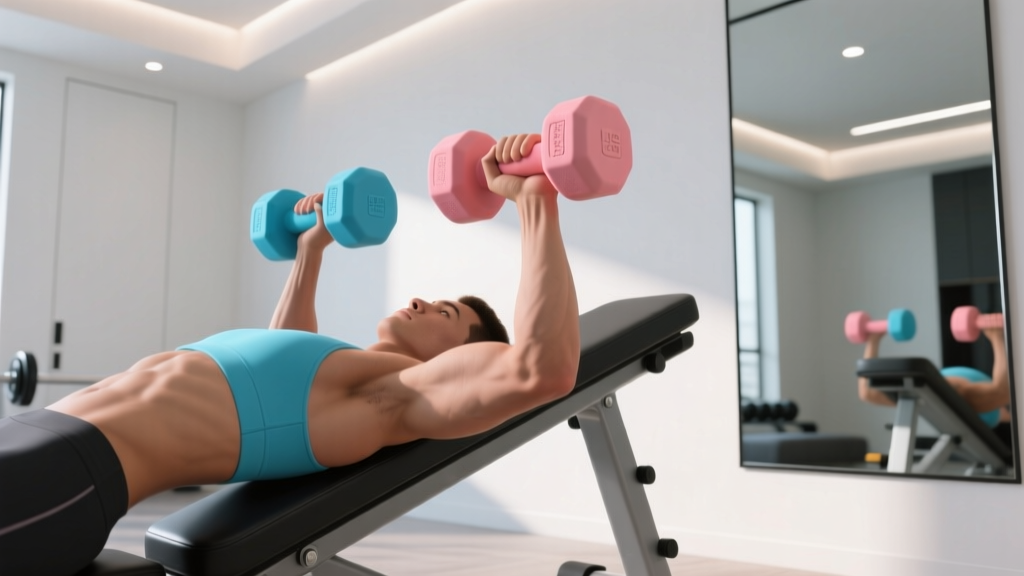
Transitioning from a fully equipped commercial gym to a home setup often leads to frustrating plateaus. If you are used to executing a heavy incline dumbbell press Planet Fitness style—grabbing 60 lb urethane hex bells off a commercial rack and lying on a fixed 45-degree bench—switching to a pair of 20 lb neoprene-coated dumbbells at home can feel like a massive downgrade. Many home gym owners make critical errors when trying to replicate commercial routines with lighter, softer equipment. As of 2026, neoprene dumbbells remain a top seller for home use due to their floor-friendly coating and affordable price point (averaging $1.20 to $1.80 per pound), but they require a completely different biomechanical and maintenance approach.
💡 The Core Issue: Neoprene (polychloroprene) is a synthetic rubber designed for light-to-moderate impact and high-repetition metabolic conditioning. It is fundamentally different from the 85-Shore-A urethane used in commercial gyms. Treating them the same guarantees poor results and ruined equipment.Material Science: Why Your Grip is Failing
The most immediate mistake lifters make when bringing neoprene bells to the incline bench is grip management. Commercial urethane dumbbells feature aggressive chrome knurling that bites into your calluses. Neoprene dumbbells, such as the popular CAP Barbell or Amazon Basics lines, typically feature smooth or lightly contoured steel handles encased in a soft rubber sleeve.
The Sweat and Slip Factor
When performing an incline press, the angle of the bench naturally forces the dumbbells to slide backward toward your face if grip strength fails. Neoprene handles become incredibly slick when exposed to sweat. The Fix: Abandon the traditional full-wrap grip. Instead, utilize a thumbless (false) grip to reduce forearm flexor fatigue, and keep a dry microfiber towel on your lap to wipe the handles between every single set. Do not use liquid chalk; the magnesium carbonate and alcohol base will dry out and crack the neoprene coating over time.
Load Management: Adapting the Planet Fitness Routine
The standard incline dumbbell press Planet Fitness members rely on usually involves sets of 8-12 reps with heavy loads. If your home neoprene dumbbells max out at 25 or 30 lbs, simply doing 3 sets of 10 will result in 'junk volume' that fails to trigger hypertrophy.
| Variable | Commercial Urethane (Planet Fitness) | Home Neoprene Dumbbells |
|---|---|---|
| Weight Range | 5 lbs – 100+ lbs | 2 lbs – 50 lbs (typically) |
| Handle Texture | Aggressive Chrome Knurling | Smooth / Contoured Steel |
| Coating Durability | High (Resists dropping & friction) | Low (Prone to peeling & tearing) |
| Ideal Rep Range | 5 – 12 Reps (Strength/Hypertrophy) | 15 – 30 Reps (Metabolic/Endurance) |
According to research published in the National Center for Biotechnology Information (NCBI), low-load resistance training can produce hypertrophy comparable to high-load training, provided the sets are taken close to muscular failure. To replicate the stimulus of a 60 lb commercial press with 25 lb neoprene bells, you must manipulate Time Under Tension (TUT).
Step-by-Step: The 3-1-1 Tempo Protocol
- Eccentric Phase (3 Seconds): Lower the dumbbells slowly until you feel a deep stretch in the clavicular (upper) pectorals.
- Isometric Pause (1 Second): Hold the bottom position to eliminate the stretch reflex and kill momentum.
- Concentric Phase (1 Second): Press the weights up, focusing on squeezing the upper chest without locking out the elbows.
- Target: Perform sets of 20-25 reps. If you can exceed 30 reps, you must invest in heavier adjustable dumbbells or use resistance bands to add accommodating tension.
Biomechanics and Bench Angle Errors
Commercial gym incline benches are usually pinned at a fixed 45-degree angle. At home, you are likely using an adjustable FID (Flat/Incline/Decline) bench. A common mistake is setting the bench too high (60 degrees or more), which shifts the load entirely onto the anterior deltoids, negating the purpose of the incline press.
Expert Biomechanics Tip: According to kinesiology data from ExRx.net, the optimal angle to target the upper pecs while minimizing front delt involvement is between 30 and 45 degrees. Set your home bench to the second or third notch (usually 30°), and tuck your elbows at a 45-degree angle to your torso to protect the rotator cuff.
Maintenance Mistakes: Why Your Neoprene is Peeling
Neoprene is highly susceptible to environmental degradation. Many home gym owners ruin their $150 dumbbell sets within the first year due to improper cleaning and storage.
🚫 Critical Warning: Never clean neoprene dumbbells with bleach, Lysol, or alcohol-based sanitizers. These chemicals break down the polychloroprene bonds, causing the coating to turn gummy, fade, and eventually peel off in chunks.The Correct Cleaning and Storage Framework
- Daily Wipe Down: Use a damp microfiber cloth with a drop of mild dish soap (like Dawn) to remove sweat oils and sebum, which are highly acidic and degrade rubber.
- UV Protection: Neoprene fades and becomes brittle under direct UV exposure. Do not store your dumbbell rack next to a sunlit window or in an uninsulated garage where temperatures exceed 95°F.
- Stacking Protocol: Unlike cast iron or urethane, neoprene dumbbells should not be haphazardly dropped into a wire bin. The friction of the metal handles rubbing against the neoprene coating of adjacent bells will tear the rubber. Use a tiered wooden or padded metal rack.
Troubleshooting Matrix: Quick Fixes
| Symptom | Root Cause | Actionable Fix |
|---|---|---|
| Dumbbells slipping during the press | Sweat accumulation on smooth handles | Switch to a thumbless grip; wipe handles with a dry towel between sets. |
| No chest pump / Front delts taking over | Bench angle too steep (60°+) | Lower bench to 30°; tuck elbows to 45°; focus on scapular retraction. |
| Coating feels sticky or is peeling | Chemical degradation from harsh cleaners | Stop using gym wipes; switch to mild soap and water; keep out of UV light. |
| Workout feels too easy / No muscle growth | Junk volume from low load and fast tempo | Implement 3-1-1 tempo; train to technical failure (20-30 rep range). |
Frequently Asked Questions
Can I use neoprene dumbbells for heavy drop sets?
Neoprene is not ideal for heavy drop sets where you are rapidly picking up and dropping weights. The soft coating can tear upon impact with the floor or rack. For heavy drop sets, consider upgrading to a set of adjustable urethane dumbbells or traditional cast-iron hex bells.
How do I progress if my neoprene set maxes out at 30 lbs?
Once you can comfortably perform 3 sets of 30 reps with a 3-1-1 tempo, you have maxed out the utility of light neoprene bells for chest hypertrophy. At this stage, you must invest in heavier equipment. Alternatively, you can integrate bodyweight variations from the ACE Exercise Library, such as decline push-ups or gymnastic ring flyes, to continue overloading the clavicular pecs.
Final Thoughts
Your home gym should be a place of progression, not frustration. By understanding the physical limitations of neoprene-coated dumbbells and adjusting your tempo, bench angle, and maintenance routine, you can achieve a phenomenal upper chest stimulus without needing the heavy commercial racks. Respect the equipment, manipulate the tension, and your home incline press will rival any commercial gym session.
More gear to consider
All reviews
Cast Iron vs Competition Kettlebells and Triceps Dumbbell Extensions

Barbell Collar Comparison & Upper Body Workouts With Dumbbells

Best Adjustable Dumbbells for a One Dumbbell Workout 2026
Single Arm Dumbbell Thruster Mistakes & Barbell Collar Clamp Guide
EZ Bar vs Straight Bar: Upgrading Triceps Extension With Dumbbells