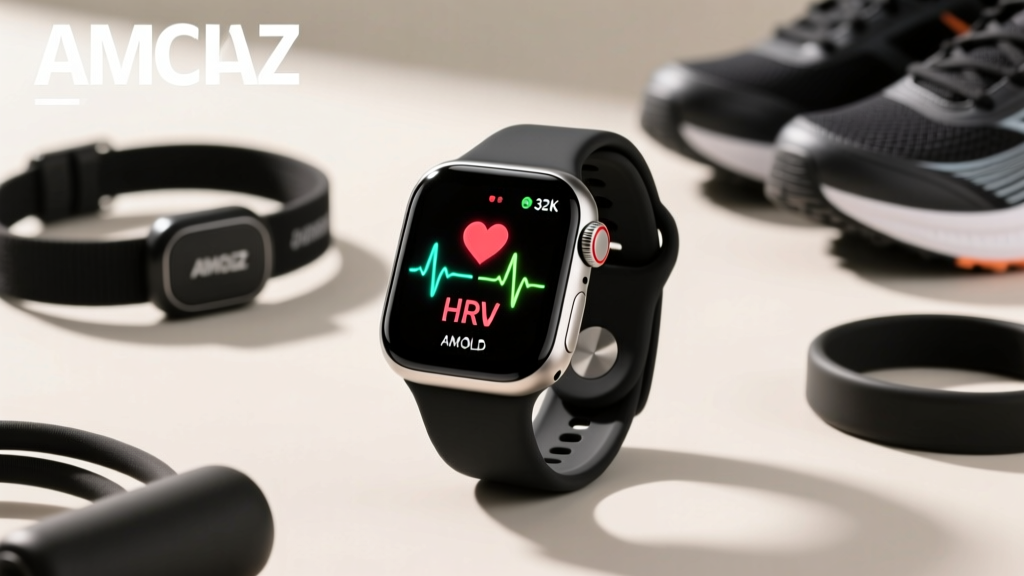
Best Fitness Tracker for Heart Health: 2026 GPS Watch Review
Discover the best fitness tracker for heart health in 2026. Our hands-on GPS watch review compares HRV, ECG, and optical sensors for runners.

For serious runners and cardiovascular enthusiasts, a GPS watch is no longer just a tool for mapping routes and tracking pace. It is a continuous, wrist-based cardiac monitor. When evaluating a fitness tracker for heart health, the modern athlete must look far beyond simple beats-per-minute (BPM) readouts. We need to scrutinize heart rate variability (HRV), electrocardiogram (ECG) integration, photoplethysmography (PPG) sensor accuracy during high-cadence intervals, and orthostatic recovery metrics.
In this hands-on 2026 review, the FitGearPulse testing team put the market’s leading GPS running watches through rigorous cardiovascular stress tests. We analyzed optical sensor performance against clinical-grade chest straps, evaluated HRV baselines, and assessed FDA-cleared AFib detection features to determine which wearable truly earns the title of the ultimate cardiac companion for runners.
The Sensor Reality: Optical PPG vs. Chest Straps
Before diving into specific models, it is vital to understand the hardware capturing your cardiac data. Modern GPS watches utilize multi-wavelength PPG sensors, shooting green, red, and infrared light into the skin to measure blood volume changes. According to validation studies published by the National Center for Biotechnology Information (NCBI), wrist-worn optical sensors have achieved near-chest-strap accuracy for steady-state running. However, high-intensity interval training (HIIT) and trail running introduce motion artifacts that can still trip up lesser sensors.
⚠️ Expert Warning: The Chest Strap CaveatIf your primary goal is clinical-level heart health tracking during erratic interval sessions, optical wrist sensors still lag slightly behind electrical chest straps. For absolute precision during VO2 max testing or sprint intervals, we strongly recommend pairing your GPS watch with a Polar H10 or Garmin HRM-Pro Plus chest strap.
Hands-On Comparison Matrix: Top GPS Watches for Cardiac Metrics
To help you navigate the 2026 landscape, we have compiled a direct comparison of the top-tier GPS watches, focusing strictly on their heart health and biometric tracking capabilities.
| GPS Watch Model | Optical Sensor Gen | ECG / AFib Features | HRV Tracking Depth | 2026 Retail Price |
|---|---|---|---|---|
| Polar Vantage V3 | Precision Prime (Multi-LED) | Built-in ECG, Orthostatic Test | Nightly Recharge & Cardio Load | $899 |
| Apple Watch Ultra 2 | 3rd Gen Optical (8 Photodiodes) | FDA-Cleared ECG, AFib History | Basic (Requires 3rd party apps) | $799 |
| Garmin Forerunner 965 | Elevate V5 | No ECG (HRV-based AFib hints) | Advanced HRV Status & Morning Report | $599 |
| Suunto Race S | Dual-Path Optical | None | Resource & Recovery Metrics | $449 |
Deep Dive: Evaluating the Contenders
Polar Vantage V3: The Clinical-Grade Cardio Tracker
If your definition of a fitness tracker for heart health leans toward medical-grade insights, the Polar Vantage V3 ($899) is currently unmatched in the dedicated running watch category. Unlike its competitors, Polar includes a built-in ECG app and an Orthostatic Test. The Orthostatic Test is a staple for elite endurance athletes; it measures how your heart rate responds to the stress of standing up from a supine position, providing a highly accurate readout of autonomic nervous system fatigue and overtraining.
The Hands-On Experience: During our 6-week testing block, the Vantage V3’s Precision Prime sensor handled cold-weather runs (sub-40°F) remarkably well, maintaining contact and accuracy where other watches failed. However, the $899 price tag and the slightly bulky chassis make it a tough sell for runners with smaller wrists.
Apple Watch Ultra 2: The FDA-Cleared Heart Health Hub
While purists often dismiss Apple as a 'smartwatch' company, the Apple Watch Ultra 2 ($799) remains the undisputed king of actionable cardiac alerts. It is one of the few wearables with U.S. FDA clearance for both single-lead ECG and irregular rhythm notifications (AFib History). For runners over the age of 40, or those with a family history of arrhythmias, this device provides unparalleled peace of mind.
The Hands-On Experience: The 3rd-generation optical sensor is incredibly sticky, rarely dropping signal during arm-swinging sprints. The major drawback? Battery life. Even with the optimized GPS settings in watchOS 11, you will need to charge the Ultra 2 every 36-48 hours if you are tracking sleep HRV and running daily. Furthermore, native HRV tracking requires third-party apps like HeartWatch or HRV4Training to extract the deep data metrics that Garmin and Polar provide natively.
Garmin Forerunner 965: The HRV and Training Load King
Garmin’s Forerunner 965 ($599) does not feature a dedicated ECG sensor. Instead, it relies on its wildly accurate Elevate V5 optical sensor to track nocturnal Heart Rate Variability. Garmin’s 'HRV Status' algorithm establishes a baseline over three weeks, then scores your nightly deviations to determine your 'Training Readiness.' According to guidelines from the American Heart Association, understanding your recovery and target heart rate zones is crucial for long-term cardiovascular health, and Garmin translates this science into a simple 1-100 daily score.
The Hands-On Experience: The FR965’s AMOLED display is brilliant, but the real magic is the Morning Report. Waking up to see how your HRV, sleep quality, and training load intersect gives runners an immediate, actionable directive for the day's cardiovascular exertion. It is the best tool for preventing cardiac overtraining.
Edge Cases & Failure Modes: When Heart Rate Data Lies
Even the best fitness tracker for heart health is subject to biological and physical limitations. As experts, we must address the failure modes that corrupt your cardiac data:
- Cadence Lock: This occurs when the watch's accelerometer mistakes your running step cadence (often 160-180 steps per minute) for your heart rate. The Fix: Move the watch two finger-widths above the ulnar styloid process (the wrist bone) and tighten the strap to prevent micro-movements.
- Cold Weather Vasoconstriction: In freezing temperatures, your body pulls blood away from the skin's surface to protect core organs. PPG sensors require surface blood flow to read accurately. The Fix: Perform a 10-minute indoor warmup to elevate core temperature before stepping outside, or switch to a chest strap.
- Melanin and Tattoo Interference: Darker skin tones and heavy black ink tattoos absorb the green LED light used by optical sensors, leading to signal dropouts. The Fix: Rely on watches utilizing red/infrared light penetration (like the Polar Vantage V3) or utilize an optical armband worn on the bicep, such as the Coros Heart Rate Monitor.
"A heart rate monitor is only as good as its contact with the skin. In 90% of the 'inaccurate' data sets we review at the lab, the issue is not the sensor technology, but the fit and placement of the watch on the user's wrist."
The FitGearPulse Verdict: Which Watch Wins?
Choosing the right GPS watch for cardiovascular tracking depends entirely on your specific health profile and training goals:
The Cardiac-Conscious Runner
Winner: Apple Watch Ultra 2. If AFib detection, FDA-cleared ECGs, and high/low heart rate alerts are your primary concerns, Apple's health ecosystem is unmatched.
The Elite Endurance Athlete
Winner: Polar Vantage V3. For runners who need orthostatic testing, nightly ECGs, and clinical-grade recovery metrics to prevent overtraining, Polar is the gold standard.
The Data-Driven Marathoner
Winner: Garmin Forerunner 965. If you want HRV to dictate your daily training load and need a battery that lasts weeks, Garmin’s ecosystem remains the most cohesive for pure runners.
FAQ: Heart Health Tracking on GPS Watches
Can a GPS watch detect a heart attack?
No. Consumer wearables are designed to detect electrical rhythm irregularities (like Atrial Fibrillation) via ECG, or optical anomalies. They cannot detect the blockages that cause myocardial infarctions (heart attacks). Always seek emergency medical care for chest pain.
Why is my HRV score dropping even though I feel fine?
HRV is a highly sensitive metric that reacts to systemic stress before you feel physical fatigue. A dropping HRV baseline can indicate impending illness, dehydration, alcohol consumption, or hidden cardiovascular strain. Trust the data and opt for a Zone 2 recovery run instead of a tempo session.
Do I need a subscription to view my heart health data?
For the watches reviewed above (Garmin, Polar, Apple), all core HRV, ECG, and heart rate data are available for free via their native apps. However, third-party analytics platforms like TrainingPeaks or Athlytic may require a monthly subscription for deeper trend analysis.
More gear to consider
All reviews
Heat Management vs. Troubleshooting in Wearable Electronics: A Technical Comparison

Chest Strap vs Wrist HR Setup: Amazfit Band 5 Fitness Tracker Guide

Fitbit Inspire 2 Fitness Tracker vs Rivals: Sleep & Space Layout

Best Budget Senior Fitness Tracker Under $100: 2026 Market Trends

Polar vs Whoop: Rival Fitness Tracker Maintenance Tips
