EZ Curl vs Straight Bar Care & Standing Dumbbell Chest Fly Tips
Master EZ curl bar vs straight bar maintenance, prevent rust, and learn expert biomechanics for the standing dumbbell chest fly to protect your joints.

The Metallurgy and Stress Points: EZ Curl Bar vs. Straight Bar
When building a commercial gym or a premium home setup in 2026, the debate between an EZ curl bar and a straight barbell usually centers on bicep activation and wrist ergonomics. However, from a maintenance and longevity perspective, the structural differences between these two implements dictate entirely different care protocols. Understanding these nuances is critical for protecting your investment and ensuring joint safety over decades of use.
Structural Integrity and Impact Stress
A high-quality straight bar, such as the REP Fitness AB-4100 Stainless Steel Barbell (typically retailing around $320), features a continuous linear shaft. If dropped onto J-cups or safety straps, the force is distributed evenly along the 28.5mm or 29mm shaft. While it may bend under extreme loads (e.g., a 500lb drop), it can often be straightened or retired safely.
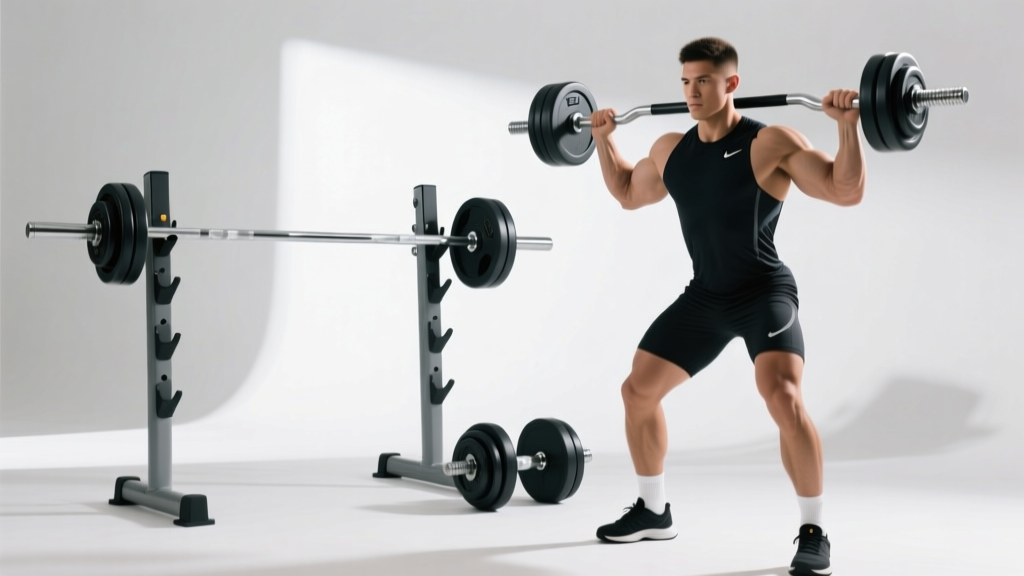
Conversely, an EZ curl bar—like the Rogue Curl Bar featuring a Cerakote finish (approximately $325)—contains multiple machined angles and bends. These bends act as natural stress risers. If an EZ bar is dropped directly on one of its angled joints rather than the sleeves, the torsional shock can cause micro-fractures in the coating or even compromise the steel core over time. This makes proper racking technique and sleeve maintenance paramount for EZ bars.
⚠️ Warning: The WD-40 MythNever use standard WD-40 to clean or lubricate your barbell shafts or sleeves. WD-40 is primarily a solvent and water displacer, not a long-term lubricant. It will strip the factory grease from your bronze bushings or needle bearings, leading to metal-on-metal grinding and permanent sleeve seizure.
The Maintenance Protocol: Keeping Your Bars Rust-Free
Whether you are using a chrome-plated CAP Barbell OB-86PB ($45) or a high-end Cerakote Eleiko OP Bar ($800+), environmental humidity and human sweat are the primary enemies of your equipment. Here is the exact 2026 maintenance framework utilized by top-tier strength facilities.
Weekly Upkeep: The Nylon Brush Method
- Step 1: Spray the knurling lightly with a 50/50 mixture of water and white vinegar (or a dedicated gym equipment cleaner).
- Step 2: Use a stiff nylon bristle brush (never brass or steel, which will strip chrome and Cerakote) to scrub the knurling valleys in a circular motion.
- Step 3: Wipe completely dry with a microfiber towel to prevent flash rusting.
Monthly Upkeep: Bearing and Shaft Lubrication
Once a month, apply 2-3 drops of 3-IN-ONE Multi-Purpose Oil or pure mineral oil to the seam where the sleeve meets the shaft. Rotate the sleeve manually for 30 seconds to work the oil into the bushings, then wipe away any excess. This prevents the sleeve from seizing and ensures smooth rotation during Olympic lifts or dynamic curls.
Joint Preservation: Transitioning to Dumbbells
Even with meticulously maintained barbells, the fixed path of a straight bar or the fixed angles of an EZ bar can eventually cause repetitive strain injuries in the wrists, elbows, and anterior deltoids. When barbell equipment requires deep maintenance, or when an athlete's joints demand a deload from fixed-plane movements, transitioning to free-moving dumbbells is the gold standard for longevity.
This is where mastering alternative movement patterns becomes essential. One highly underutilized but biomechanically complex movement is the standing dumbbell chest fly. However, executing this movement correctly requires a deep understanding of physics and gravity vectors—something most lifters get entirely wrong.
Biomechanics: Mastering the Standing Dumbbell Chest Fly
If you stand perfectly upright and attempt to perform a chest fly by bringing the dumbbells together in front of your torso, you are not training your pectorals. You are performing a front raise, which isolates the anterior deltoids. According to the biomechanical data cataloged by ExRx.net, the pectoralis major is responsible for horizontal adduction of the humerus. To train this with free weights, the resistance (gravity) must pull the arms apart during the eccentric phase.
The Gravity Vector Solution
To perform a true standing dumbbell chest fly using only gravity and dumbbells, you must alter your body angle to change the resistance vector. Here is the step-by-step execution protocol:
- The Hip Hinge: Hold a moderate pair of urethane dumbbells (e.g., 20-30 lbs). Hinge at the hips until your torso is nearly parallel to the floor, maintaining a flat back. This mimics the angle of a bent-over row.
- The Setup: Let the dumbbells hang straight down toward the floor, palms facing each other. Your elbows should have a slight, fixed bend (about 10-15 degrees).
- The Adduction: Keeping the elbow angle locked, raise the dumbbells out to the sides in a wide arc until they are level with your torso. This is the concentric phase, heavily targeting the sternal pectorals.
- The Eccentric: Slowly lower the weights back down, feeling a deep stretch across the chest cavity. Gravity is now pulling the arms away from the midline, perfectly replicating the tension profile of a cable crossover or a bench fly.
"The standing dumbbell chest fly is an incredible tool for core stabilization and pec isolation, but only if the lifter respects the gravity vector. Without the forward lean, it is simply a shoulder exercise in disguise."
Urethane Dumbbell Upkeep: Ensuring Longevity
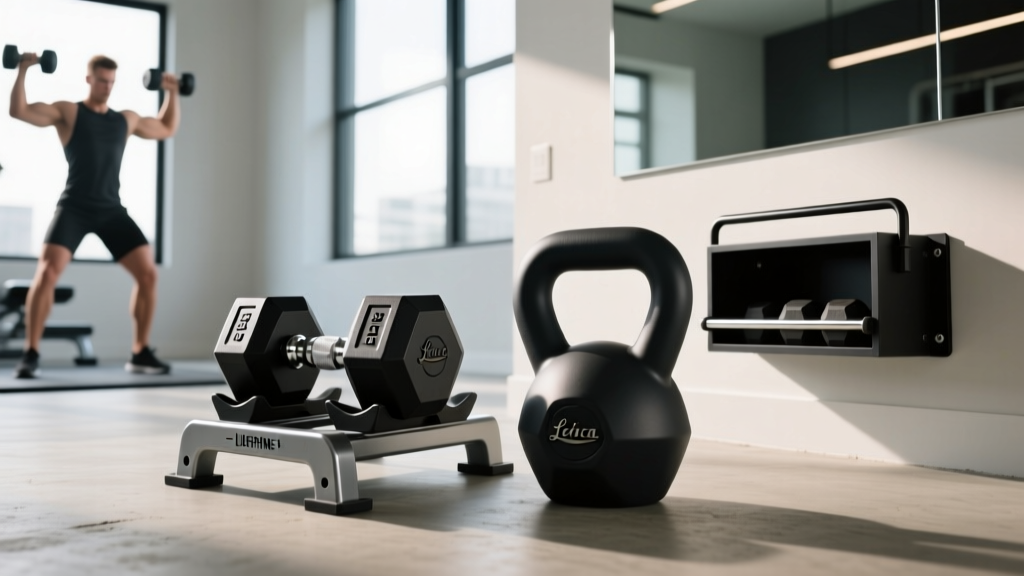
Because the standing dumbbell chest fly requires a deep hip hinge, you will likely be resting the dumbbells on the floor or a rack between sets. This makes dumbbell maintenance just as critical as barbell care. In 2026, premium gyms favor urethane dumbbells (costing roughly $3.50 to $4.50 per pound) over cheap rubber, as urethane resists UV degradation, odor, and tearing.
Hex Bolt and Handle Inspection
- Torque Checks: Every six months, use a torque wrench to check the hex bolts on the ends of fixed-weight dumbbells. Vibration from dropping can loosen these bolts, creating a dangerous rattle and eventual head separation.
- Handle Knurling: Dumbbell handles accumulate dead skin and chalk rapidly. Use the same nylon brush and 3-IN-ONE oil protocol used on your barbells to keep the grip tacky and rust-free.
- Urethane Cleaning: Wipe down the urethane heads with a mild, non-alcoholic disinfectant. Alcohol-based cleaners will dry out the urethane over time, leading to micro-cracking and eventual chipping.
Maintenance Matrix: Barbell vs. Dumbbell Upkeep
| Equipment Type | Primary Vulnerability | Recommended Lubricant | Cleaning Frequency | Estimated Annual Upkeep Cost |
|---|---|---|---|---|
| Straight Barbell (Stainless) | Sleeve bushing seizure | 3-IN-ONE Oil | Weekly (Shaft), Monthly (Sleeves) | $15 (Oil & Brushes) |
| EZ Curl Bar (Cerakote/Chrome) | Micro-fractures at bends, knurling rust | Mineral Oil | After every heavy arm session | $15 (Oil & Brushes) |
| Urethane Dumbbells | Hex bolt loosening, handle oxidation | Dry PTFE Spray (Handles only) | Bi-annual torque check, weekly wipe | $25 (Torque wrench & cleaner) |
Frequently Asked Questions (FAQ)
Can I use an EZ curl bar for standing chest flies?
No. An EZ curl bar is designed for gripping with the hands in a semi-pronated or supinated position, which is biomechanically unsuited for the wide arc required in a chest fly. Stick to dumbbells or cables for fly variations to protect your rotator cuffs and wrist joints.
How do I fix a seized sleeve on an older straight bar?
If a sleeve has seized due to neglect, do not force it with pliers. Apply a penetrating oil like PB Blaster to the sleeve seam and let it sit for 24 hours. Once it breaks free, thoroughly flush the seam with isopropyl alcohol to remove the penetrating solvent, then re-lubricate with a high-quality synthetic bearing oil.
Is the standing dumbbell chest fly safe for the lower back?
Because the movement requires a deep hip hinge (similar to a Romanian deadlift setup), it demands significant isometric strength from the erector spinae. If you have a history of lumbar issues, perform this movement seated on an incline bench set to 45 degrees, or switch to a cable machine to eliminate the lower back stabilization requirement.
More gear to consider
All reviews
Rubber Hex vs Urethane Dumbbells for Dumbbell Thrusters: Value Guide

EZ vs Straight Bar Value: Plus Different Workouts with Dumbbells

2026 Rack Trends: Storage for the Incline Dumbbell Press Workout

Rubber Hex vs Urethane: Best Gear for Dumbbell Exercises for Men

NordicTrack 55 lb Select a Weight Dumbbells to Olympic Barbell Guide