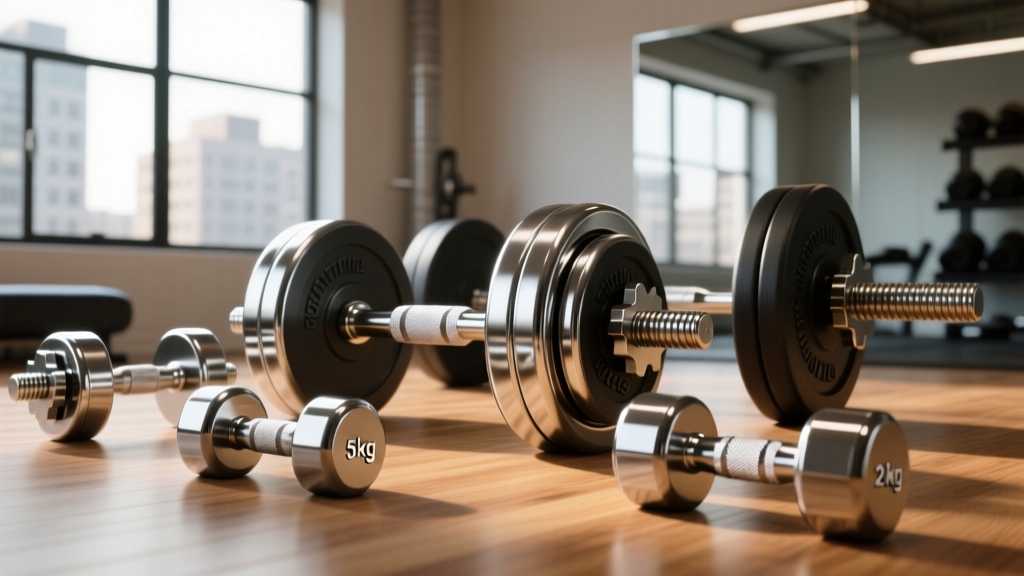
Dumbbells for Back Fat Myth: Olympic Barbell Weight & Knurling Guide
Stop chasing spot reduction with light weights. Discover how Olympic barbell weight and knurling choices build a denser, stronger back in 2026.

The 'Dumbbells for Back Fat' Trap: Why Heavy Pulls Win
Every year, thousands of home gym owners fall into the same frustrating trap: searching for the best dumbbells for back fat and spending hours performing high-rep, low-weight bent-over rows with 10-pound neoprene hex dumbbells. The goal is usually spot reduction—targeting stubborn adipose tissue around the latissimus dorsi and rhomboids. But as confirmed by a landmark study published in the Journal of Strength and Conditioning Research, spot reduction is a physiological myth. You cannot burn fat in a localized area simply by exercising the muscle beneath it.
The actual troubleshooting fix for a softer back is twofold: maintain a caloric deficit to reduce overall body fat, and build dense, metabolically active back musculature through heavy progressive overload. This is where the Olympic barbell becomes your most critical tool. Heavy Pendlay rows, barbell deadlifts, and Meadows rows stimulate deep muscle fiber recruitment that light dumbbells simply cannot achieve. However, if your barbell's weight profile or knurling pattern is mismatched to your biomechanics, your grip will fail before your back muscles do. In 2026, understanding barbell shaft diameter and knurl geometry is non-negotiable for serious back development.
Mistake #1: Misjudging Barbell Weight and Shaft Diameter
A common mistake when buying an Olympic barbell for back-dominant days is ignoring the shaft diameter and overall weight distribution. The standard men's Olympic bar weighs 20kg (44 lbs) and features a 28mm to 29mm shaft, while a women's Olympic bar weighs 15kg (33 lbs) with a 25mm shaft.
⚠️ Troubleshooting Edge Case: The 29mm Grip BottleneckMany lifters mistakenly buy a dedicated Powerlifting bar (like the Rogue Ohio Power Bar, which features a 29mm shaft) thinking the extra stiffness is ideal for heavy rows. However, a 29mm shaft requires significantly more crush grip strength. If your hands are average or small, a 29mm shaft will cause your forearms to fatigue during a set of 8 Pendlay rows, leaving your lats under-stimulated. For dedicated back and dynamic pulling days, a 28mm or 28.5mm shaft (found on multi-purpose Olympic bars) is vastly superior for grip endurance.
Whip vs. Stiffness on Heavy Rows
Barbell 'whip' (the flex of the bar under load) matters immensely for back training. When performing heavy barbell rows from a hinged position, a highly whippy bar (tensile strength under 160,000 PSI) will oscillate at the top of the movement, destabilizing your scapular retraction. You want a bar with a tensile strength between 190,000 PSI and 205,000 PSI for back days to ensure the weight transfers directly into your rhomboids and traps without kinetic energy leaks.
Mistake #2: Choosing the Wrong Knurl Pattern for Back Days
Knurling is the machined crosshatch pattern on the steel shaft designed to increase friction. According to comprehensive equipment testing by Garage Gym Reviews, knurling is generally categorized into three distinct profiles: Hill, Mountain, and Volcano. Choosing the wrong profile is a primary reason lifters abandon barbell rows in favor of machines or lighter dumbbells.
- Hill (Passive): The peaks of the knurl are rounded off. Common on cheap, budget-friendly Amazon bars (under $150). Verdict: Useless for heavy back days. Your hands will slip the moment sweat accumulates.
- Mountain (Aggressive): Sharp, pronounced peaks that bite deeply into the skin. Found on elite powerlifting bars like the Eleiko IPF Powerlifting Bar (retailing around $1,100+). Verdict: Excellent for 1-rep max deadlifts, but will tear your calluses to shreds during high-volume back hypertrophy blocks.
- Volcano (The Sweet Spot): Deep valleys with a rimmed, crater-like edge. It provides immense surface area for grip without acting like a cheese grater. The Rogue Ohio Bar ($295) and the Rep Fitness Excalibur ($325) feature textbook volcano knurling that locks your hands in during 225+ lb barbell rows without destroying your skin.
Barbell Knurling & Weight Comparison Matrix
| Barbell Model | Weight / Shaft | Knurl Type | Best Use Case for Back | Est. Price (2026) |
|---|---|---|---|---|
| Rogue Ohio Bar | 20kg / 28.5mm | Volcano (Moderate) | High-Volume Hypertrophy Rows | $295 |
| Rep Fitness Excalibur | 20kg / 28.5mm | Volcano (Deep) | Heavy Pendlay Rows (Sweat-Proof) | $325 |
| Eleiko IPF Power | 20kg / 29mm | Mountain (Sharp) | 1RM Deadlifts (Avoid for Rows) | $1,150 |
| Bella Bar (Rogue) | 15kg / 25mm | Volcano (Mild) | Meadows Rows / Smaller Hands | $235 |
Troubleshooting Grip Failure on Heavy Back Days
Even with the perfect volcano knurl and a 28.5mm shaft, lifters frequently encounter a point of failure where their grip gives out at 185 lbs, while their back could easily handle 225 lbs. Here is the step-by-step troubleshooting protocol to fix this without reverting to the ineffective 'dumbbells for back fat' methodology.
Step 1: Audit Your Knurl Maintenance
Over time, dead skin, chalk, and oxidized steel clog the valleys of your barbell's knurl, turning a volcano pattern into a smooth hill pattern. The Fix: Once a month, scrub the shaft with a stiff brass wire brush (never steel, which can damage zinc or cerakote coatings). Follow up by applying a few drops of 3-in-One oil to a microfiber towel and wiping down the shaft. This restores the original bite of the steel.
Step 2: Implement Strategic Strap Usage
There is a persistent myth that using lifting straps weakens your back. Biomechanically, this is false. If your goal is latissimus dorsi and rhomboid hypertrophy, removing the grip bottleneck allows you to train the target muscles to true mechanical failure. The Fix: Use Figure-8 cotton straps (like those from Versa Gripps or Rogue) for all working sets of barbell rows that exceed 70% of your 1-rep max deadlift. Reserve your raw grip for warm-up sets and dedicated farmer's carries.
Step 3: Optimize Chalk Application
Liquid chalk is popular for its cleanliness, but for heavy, sweat-inducing back sessions, it lacks the moisture-absorbing friction of loose magnesium carbonate block chalk. Apply a light dusting of block chalk directly to the knurl rings, not just your palms, to create a high-friction bridge between your skin and the bar.
Final Verdict: Upgrade Your Pulling Arsenal
Stop wasting time and money chasing spot-reduction myths with light dumbbells. Building a dense, powerful, and aesthetically defined back requires moving serious weight. By selecting an Olympic barbell with a 28mm to 28.5mm shaft and a high-quality volcano knurl pattern, you eliminate grip slip, maximize scapular retraction, and force your back muscles to adapt and grow. Invest in a quality multi-purpose bar, maintain your knurling, and let the heavy compound pulls do the work.
More gear to consider
All reviews
Dumbbell Racks for High Incline Dumbbell Press: 2026 Budget Guide
How Heavy Is The Thomas Inch Dumbbell? Grip History & Barbell Collar Troubleshooting

Cast Iron vs Competition: 30 Minute Upper Body Dumbbell Workout
Organizing Your Dumbbell Core: 2026 Rack & Storage Trends

Power Rack vs Squat Rack vs Squat Stand: Alternated Dumbbell Shoulder Press Guide
