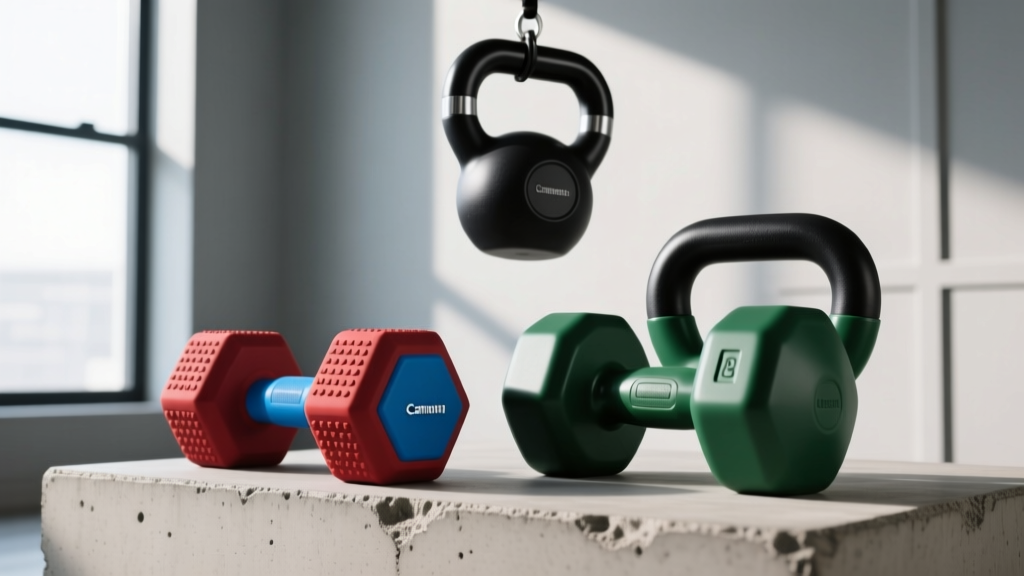
Dumbbell Row Alternatives: Rubber Hex vs Urethane Review
Explore the best dumbbell row alternatives through our hands-on review of rubber hex vs urethane dumbbells. Find the perfect grip and durability for back day.

When building a formidable back, the traditional single-arm dumbbell row is a staple. However, intelligent programming often requires cycling through various dumbbell row alternatives to target the lats, rhomboids, and rear delts from different angles while managing lower back fatigue. Whether you are executing renegade rows, chest-supported incline rows, or gorilla rows, the implement you choose drastically alters the movement's efficacy and safety.
In the 2026 fitness equipment market, the debate between rubber hex dumbbells and urethane dumbbells remains fierce. As supply chain bottlenecks have stabilized, urethane pricing has become more accessible, but rubber hex remains the undisputed budget king. In this hands-on review, we break down how these two materials perform specifically during high-demand pulling movements and rowing alternatives.
Why Equipment Choice Dictates Your Dumbbell Row Alternatives
According to biomechanical analyses cataloged by ExRx, rowing movements require significant grip endurance, anti-rotational core stability, and precise scapular retraction. When you pivot to dumbbell row alternatives—such as the renegade row or the Meadows-style dumbbell row—the physical geometry and material properties of the dumbbell head come into direct contact with your body, the floor, or the bench.
- Floor Contact: Movements like renegade rows require a flat, stable base that won't abrade your wrists or damage your flooring.
- Grip Fatigue: Heavy unilateral rows demand aggressive knurling, but overly sharp knurling can tear calluses during high-volume drop sets.
- Clearance: Chest-supported rows require dumbbell heads that don't prematurely collide with the bench or your own torso at the peak of the concentric contraction.
Hands-On Material Breakdown: Rubber Hex vs. Urethane
Rubber Hex Dumbbells (The Garage Gym Staple)
Rubber-coated cast iron hex dumbbells (like the popular lines from CAP Barbell or Rogue's entry-level rubber hex) are manufactured by encasing a cast iron core in a layer of recycled or virgin rubber.
The Good: They are incredibly cost-effective, typically ranging from $1.50 to $2.25 per pound in 2026. The hexagonal shape prevents rolling, which is crucial when setting up for heavy bilateral movements.
The Bad: Rubber is prone to UV degradation and 'dry rot' over time. More importantly for rowing alternatives, the thick, often poorly molded rubber edges can dig painfully into the forearms during movements like the gorilla row. Furthermore, cheaper rubber off-gasses a persistent sulfur odor that can make high-volume, close-to-the-face pulling exercises unpleasant.
Urethane Dumbbells (The Premium Standard)
Polyurethane (urethane) is a high-density synthetic polymer used in commercial gyms and premium home setups (e.g., Rogue Urethane, Rep Fitness, Eleiko).
The Good: Urethane boasts a Shore hardness rating typically between 85A and 90A, making it virtually odorless, UV-resistant, and highly resistant to chipping. The edges are cleanly molded, and the steel handles usually feature a more refined, ergonomic knurl.
The Bad: The cost is the primary barrier, averaging $3.50 to $5.00 per pound. Additionally, while urethane is tough, dropping it on bare concrete from a height can cause the edges to chip or the steel handle to eventually snap at the weld point if abused.
Head-to-Head Comparison Matrix
| Feature | Rubber Hex Dumbbells | Urethane Dumbbells |
|---|---|---|
| Average Cost (2026) | $1.50 - $2.25 / lb | $3.50 - $5.00 / lb |
| Odor / Off-Gassing | High (initially), moderate long-term | None / Odorless |
| Handle Knurling | Moderate, often inconsistent | Aggressive, precise CNC knurl |
| Edge Comfort (Forearm) | Poor (thick, rounded rubber lips) | Excellent (tight, crisp bevels) |
| Floor Impact (Rebound) | High bounce (dangerous for wrists) | Dead bounce (stable base) |
Testing the Gear: Top 3 Dumbbell Row Alternatives
To truly understand how these materials perform, we tested both 75lb Rubber Hex and 75lb Urethane dumbbells across three popular dumbbell row alternatives. Here is what our hands-on review revealed.
1. The Renegade Row (Anti-Rotation & Core)
The renegade row requires you to assume a push-up position while rowing one dumbbell at a time to the hip.
The Winner: Urethane.
When performing this movement, the dumbbell acts as a stabilizing base for your body weight. Rubber hex dumbbells have a slight 'rebound' or bounce when loaded with body weight, which can cause micro-shifts and strain the wrist joint. Urethane's dense, dead-bounce properties provide a rock-solid foundation. Furthermore, the crisp edges of urethane won't scrape your shins or forearms if your form breaks down, whereas the thick rubber lips of hex bells can cause friction burns.
2. The Chest-Supported Incline Row (Strict Isolation)
Lying face down on a 30-degree incline bench eliminates lower back momentum, forcing the lats and rhomboids to do 100% of the work.
The Winner: Tie (with a caveat on grip).
Because the dumbbells are hanging freely, the head shape matters less for body contact. However, grip fatigue is the limiting factor in strict isolation rows. Urethane dumbbells from premium brands feature deeper, more consistent knurling that bites into the skin without tearing, allowing for heavier eccentric overloads. Rubber hex handles often feature a thinner, 'mushy' knurl that forces you to squeeze harder, prematurely fatiguing the brachioradialis before the lats reach failure.
3. The Gorilla Row (Unilateral Power & Alternating Pulls)
Starting with both dumbbells on the floor, you hinge at the hips and alternate rowing one bell while actively pushing the other into the ground.
The Winner: Urethane.
During the concentric pull of a gorilla row, the non-working dumbbell head often brushes against the inner thigh or forearm. The hard, smooth bevel of a urethane bell glides past the body. Rubber hex bells, with their bulky, sometimes misshapen mold lines, tend to catch on clothing or skin, disrupting the fluidity of the alternating tempo.
When selecting dumbbells specifically for rowing alternatives, pay attention to the handle diameter. Most standard rubber hex bells feature a 32mm to 34mm handle. Premium urethane bells often utilize a 34mm to 35mm handle. While a thicker handle is excellent for pressing and grip strength, it can cause premature forearm pump during high-rep rowing sets. If your primary focus is back hypertrophy via dumbbell row alternatives, ensure the knurling is aggressive enough to compensate if you opt for a thicker 35mm handle.
The Economics of Pulling: Cost vs. Lifespan
As detailed in comprehensive equipment roundups by BarBend, the initial sticker shock of urethane is undeniable. Equipping a full 5-to-50lb set (in 5lb increments) of rubber hex dumbbells will cost roughly $1,200 to $1,500 in 2026. The exact same set in premium urethane will run you between $2,800 and $3,800.
However, we must factor in the 'failure modes' of the equipment. Rubber hex dumbbells subjected to heavy garage gym use, temperature fluctuations, and UV exposure from nearby windows will begin to crack, flake, and degrade within 5 to 7 years. The rubber can also separate from the cast iron core if repeatedly dropped during heavy renegade rows or explosive pulling movements. Urethane, conversely, is virtually indestructible under normal use conditions. It will not dry rot, it will not smell, and it maintains its structural integrity for decades. For commercial gym owners or serious home-gym enthusiasts who plan to train for the next 20 years, urethane is a one-time capital expenditure.
Final Verdict: Which Should You Buy?
If your training heavily features dumbbell row alternatives that involve floor contact, body bracing, or close-proximity pulling (like renegade rows and gorilla rows), urethane dumbbells are the superior choice. The dead-bounce stability, ergonomic bevels, and superior knurling provide a noticeably better training experience that justifies the premium price tag.
However, if you are on a strict budget, or if your rowing alternatives are strictly limited to chest-supported and bench-supported variations where the dumbbell head never touches your body or the floor, rubber hex dumbbells will serve you perfectly well. Just be prepared to manage the initial off-gassing odor and accept that you may need to replace them in a decade.
Frequently Asked Questions
Can I use adjustable dumbbells for dumbbell row alternatives?
Yes, but with caution. Adjustable dumbbells (like PowerBlock or Bowflex) are excellent for chest-supported rows. However, they are not recommended for renegade rows or any movement where the dumbbell is subjected to lateral torque or dropped onto its head, as the internal locking mechanisms can fail, posing a severe injury risk.
Why do my wrists hurt during renegade rows?
Wrist pain during renegade rows is usually caused by two factors: poor wrist mobility, or using dumbbells with a high 'rebound' rate (like cheap rubber hex bells) that shift under your body weight. Switching to flat-bottomed urethane dumbbells or using dedicated push-up handles can alleviate this joint stress.
Is urethane toxic to breathe in during heavy sets?
No. High-quality, virgin polyurethane used in modern fitness equipment is completely inert and odorless. Unlike cheap rubber which off-gasses volatile organic compounds (VOCs) that can cause headaches in poorly ventilated spaces, urethane is perfectly safe for close-proximity breathing during heavy exertion.
More gear to consider
All reviews
Compared: Top Neoprene Gear for Dumbbell Exercises for Toning Arms

Power Rack vs Squat Rack vs Stand: Standing One Arm Dumbbell Row

Bar Care for Your At Home Workout Plan With Dumbbells: EZ vs Straight

Dumbbell Y Raise Mistakes: Troubleshooting Neoprene Sets

Neoprene Dumbbells Compared: Best for Arms and Chest Exercises
