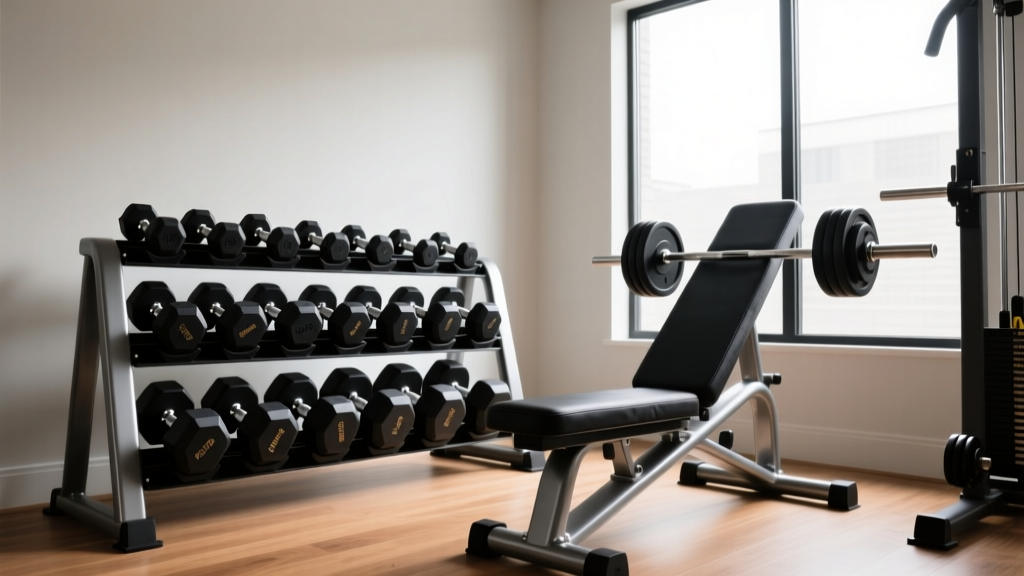
Dumbbell Rack Storage for the Single Arm Dumbbell Bench Row
Master dumbbell rack maintenance and storage to optimize your setup for the single arm dumbbell bench row. Expert tips for longevity and safety.

The Hidden Equipment Toll of Heavy Unilateral Rows
The single arm dumbbell bench row is a cornerstone of back hypertrophy and functional strength. As outlined in the ExRx exercise directory, this movement demands intense stabilization and heavy, unilateral loading. However, while most lifters obsess over their lifting mechanics, few consider the biomechanical toll that picking up and re-racking heavy, asymmetrical loads takes on their gym infrastructure.
When you are pulling 100-pound to 150-pound dumbbells for working sets, the act of retrieving and storing the weight is often where equipment failure begins. Dropping a heavy dumbbell onto a poorly maintained rack, or storing it improperly after a grueling set of single arm rows, accelerates weld fatigue, degrades urethane coatings, and compromises knurling. In 2026, with commercial-grade 3-tier racks ranging from $450 to $850 and premium urethane dumbbells exceeding $1,200 per pair, proactive maintenance and strategic storage are no longer optional—they are financial necessities.
Asymmetric Shock Loads and Rack Weld Fatigue
Unlike barbell lifts where weight is distributed evenly across a centralized axis, the single arm dumbbell bench row involves highly concentrated, unilateral mass. When a lifter finishes a set and forcefully drops a 120-pound dumbbell onto a rack tier, it generates an asymmetric shock load.
According to material stress principles in fitness equipment manufacturing, repeated off-center impacts create micro-fractures in the heat-affected zones (HAZ) of rack welds. Over time, this leads to catastrophic weld failure, particularly on cheaper 14-gauge steel racks. To mitigate this, your storage solution must be built from a minimum of 11-gauge or 3x3-inch 12-gauge steel, such as the heavy-duty configurations found in the Rogue 3-Tier Dumbbell Rack ecosystem.
Rack Hardware Maintenance: Torque and Tension
Vibration is the enemy of bolted gym equipment. The repetitive clanking of heavy hex or round-head dumbbells being placed on the rack during back day workouts slowly backs out hardware. A loose rack tray will wobble, causing dumbbells to roll and potentially fall on a lifter's foot during the pick-up phase of a single arm row.
Quarterly Hardware Audit Protocol
- Identify Hardware Grade: Ensure your rack uses minimum Grade 5 or Grade 8 bolts (marked with 3 or 6 radial lines on the head, respectively).
- Apply Calibrated Torque: Using a torque wrench, tighten all tray and upright bolts to 45 ft-lbs for 5/16-inch hardware, or 65 ft-lbs for 3/8-inch hardware. Do not overtighten, as this strips the threads in the welded nutserts.
- Threadlocker Application: If bolts consistently back out due to heavy gym traffic, apply a single drop of Blue Loctite (Threadlocker 242) to the threads before torquing. Avoid Red Loctite, which requires heat to remove and makes future rack reconfiguration impossible.
The Re-Rack Protocol: Preserving Urethane and Knurling
The single arm dumbbell bench row generates massive amounts of grip fatigue and sweat. The acidic nature of human sweat (typically ranging from a pH of 4.5 to 7.0) is highly corrosive to both bare steel knurling and the polyurethane (PU) heads of modern dumbbells. Proper storage begins the moment the set ends.
Step-by-Step Post-Row Storage Care
- The Wipe-Down: Before placing the dumbbell back on the rack, wipe the handle with a microfiber towel lightly dampened with a pH-neutral (7.0) cleaner. Never use bleach or high-acid citrus cleaners, which will dry out and crack rubber and urethane over time.
- Head Inspection: Quickly check the dumbbell head for embedded chalk or debris. Hardened gym chalk acts like sandpaper against the rack tray's UHMW plastic liners.
- Alignment Storage: Place the dumbbell squarely in the cradle. Do not leave it resting at an angle on the edge of the tray, which places uneven stress on the dumbbell's internal steel core and the rack's plastic liner.
Structural Storage Matrix: Weight Distribution
Proper weight distribution on your rack is vital for preventing tip-overs, especially when a lifter is aggressively pulling a heavy dumbbell from the bottom tier to set up for a single arm row. Heavier weights must always be stored at the base to lower the center of gravity.
| Rack Tier | Target Weight Range | Tray Liner Maintenance | Failure Mode Risk |
|---|---|---|---|
| Bottom Tier | 70 lbs - 150+ lbs | Inspect UHMW plastic for deep gouges monthly. | Tray bowing; liner fragmentation. |
| Middle Tier | 35 lbs - 65 lbs | Wipe down to remove sweat drip from top tier. | Surface rust on steel trays. |
| Top Tier | 5 lbs - 30 lbs | Check for loose neoprene/rubber residue. | Light dumbbells vibrating off the edge. |
Dumbbell Head Degradation: Urethane vs. Rubber
When storing equipment used for heavy unilateral pulling, you must understand the material science of the dumbbell heads. As detailed in Eleiko's official equipment care guidelines, environmental factors and chemical exposure drastically alter the lifespan of free weights.
- Virgin Urethane (85A-90A Shore A Scale): The gold standard for 2026 commercial gyms. Urethane is highly resistant to sweat acidity and impact. However, prolonged exposure to direct UV sunlight from garage gym windows will cause 'chalking' and micro-cracking. Store racks away from direct sun exposure.
- Recycled Rubber: More affordable but highly porous. Rubber absorbs sweat and cleaning chemicals, leading to a breakdown of the sulfur bonds used in vulcanization. This results in the dreaded 'crumbly' texture and foul odor. If using rubber dumbbells for heavy rows, you must clean them with specialized rubber-safe enzymatic cleaners, never standard household degreasers.
Troubleshooting Common Rack and Dumbbell Failure Modes
Even with meticulous care, heavy use from exercises like the single arm dumbbell bench row will eventually reveal wear and tear. Use this diagnostic guide to address issues before they require expensive replacements.
1. The Rack Tray is Bowing in the Center
The Cause: Consistently storing the heaviest dumbbells in the exact center of the tier, rather than distributing them evenly from left to right.
The Fix: Immediately redistribute the weight. If the steel tray has permanently deformed (yielded), it must be replaced. Do not attempt to hammer it flat, as this will weaken the structural integrity of the bend and accelerate metal fatigue.
2. Dumbbell Knurling is Caked and Smooth
The Cause: Chalk, dead skin, and sweat have compacted into the valleys of the knurling, creating a smooth, slippery surface that ruins grip strength during heavy rows.
The Fix: Apply a small amount of mineral oil to the handle and let it sit for 10 minutes to soften the debris. Use a stiff nylon brush (never a wire brush, which will strip the chrome or cerakote finish) to scrub the knurling. Wipe clean with a dry microfiber cloth.
3. Urethane Heads are Tearing at the Steel Core Junction
The Cause: Dropping the dumbbells directly on the edge of the head, or rolling them off the rack tray instead of lifting them clear. This creates a shearing force at the exact point where the urethane meets the steel handle.
The Fix: Unfortunately, once a urethane tear begins, it cannot be glued back together effectively due to the dynamic impact loads of lifting. The dumbbell must be retired from heavy unilateral rows to prevent the head from snapping off mid-rep, which poses a severe crush hazard.
Expert Insight: The longevity of your free weight ecosystem is dictated by the micro-habits of your re-racking process. Treat the storage phase of the single arm dumbbell bench row with the same deliberate focus as the concentric pull, and your equipment will easily survive a decade of heavy hypertrophy training.
More gear to consider
All reviews
Barbell Collars vs. Dumbbell Kettlebell Handle Clamps Compared
Dumbbell Push Jerk Setup: Power Rack vs Squat Rack vs Squat Stand

Loadable Dumbbell Trends: Bicep Exercises with Dumbbells for Women
Rear Delt Pulls With Dumbbells: Adjustable Gear Review
Neoprene Dumbbell Buying Guide & Exercises with 10 lb Dumbbells
