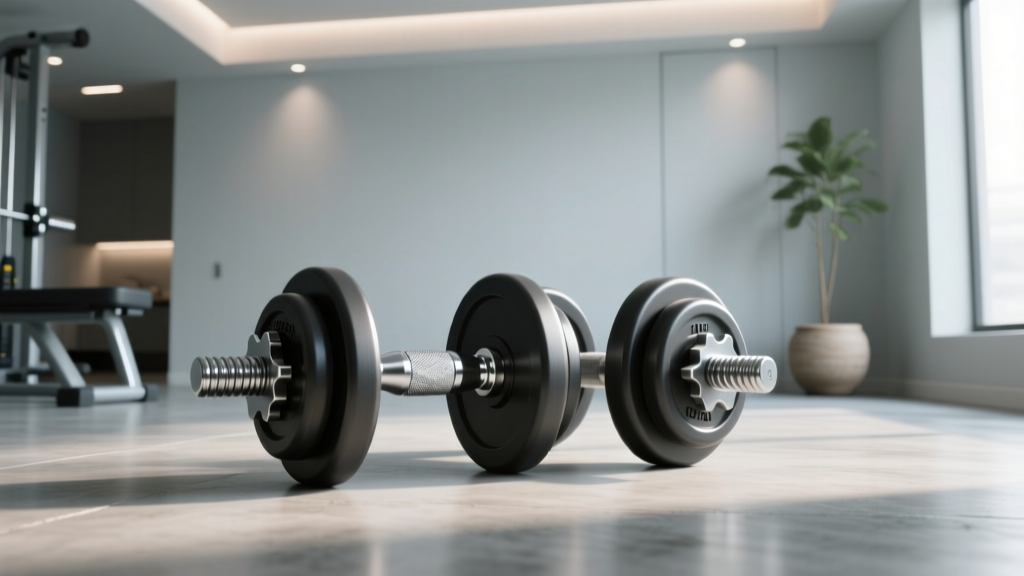
Dumbbell Horizontal External Shoulder Rotation: Loadable Handle Care
Master loadable dumbbell maintenance for smooth, safe mechanics during the dumbbell horizontal external shoulder rotation and delicate isolation lifts.

The Biomechanical Link: Why Equipment Condition Matters for External Rotation
Loadable dumbbells with interchangeable plates are a staple in 2026 home and garage gyms, offering unparalleled versatility and cost-efficiency compared to fixed-weight racks. However, their mechanical complexity introduces maintenance variables that directly impact your training safety. This is especially true for delicate, low-load isolation movements like the dumbbell horizontal external shoulder rotation.
When performing the dumbbell horizontal external shoulder rotation, you are isolating the infraspinatus and teres minor muscles of the rotator cuff. This exercise typically requires very light loads—often between 5 and 15 pounds—and demands a smooth, uninterrupted torque curve. If your loadable dumbbell's sleeve binds, the knurling is clogged with chalk, or the collar allows micro-shifts in the plates, the resulting mechanical jerk can easily aggravate the shoulder joint. According to the American Academy of Orthopaedic Surgeons, the rotator cuff is highly susceptible to impingement and strain from erratic resistance profiles.
To ensure your equipment supports joint health rather than compromising it, a rigorous maintenance protocol for your loadable handles and plates is non-negotiable.
Anatomy of a Loadable Dumbbell: High-Wear Components
Unlike fixed urethane or rubber dumbbells, loadable dumbbells feature moving parts and modular connections that degrade over time. Understanding these failure points is the first step in longevity planning.
1. Sleeve Rotation and Bushing Health
Premium loadable handles, such as the Rogue Fitness Loadable Dumbbell (retailing around $95.00) or the Titan Fitness Plate Loaded Dumbbell ($59.99), utilize bronze or sintered metal bushings inside the sleeve. These bushings allow the sleeve to rotate independently of the handle, reducing torque on the wrist during curls and presses. However, during the dumbbell horizontal external shoulder rotation, the wrist is locked in a neutral or slightly extended position while the forearm rotates. A sticky sleeve forces the rotator cuff to compensate for the friction, altering the movement pattern.
2. Collar and Thread Integrity
Entry-level models, like the Yes4All 1-inch Spinlock Dumbbell ($35–$50), rely on threaded star-lock collars. Over time, chalk dust and metal shavings accumulate in the threads, causing cross-threading or incomplete tightening. If a collar is loose during an external rotation, the plates shift outward, changing the center of mass and placing uneven shear stress on the elbow and shoulder.
3. Knurling Degradation
Knurling provides the tactile grip necessary to hold the dumbbell securely without over-squeezing. Over-gripping a smooth handle during external rotation can cause premature forearm fatigue, leading to compensatory movements in the shoulder girdle.
⚠️ CRITICAL WARNING: The WD-40 MythNever use standard WD-40 or petroleum-based wet lubricants on your loadable dumbbell sleeves or collars. These products attract chalk dust, dead skin, and iron oxide, creating an abrasive paste that will permanently ruin bronze bushings and degrade steel threads. Always opt for PTFE (Teflon) or silicone-based dry lubricants.
2026 Loadable Dumbbell Models & Specific Maintenance Needs
Different manufacturing standards require tailored care routines. Below is a comparison of the most popular loadable handles on the market and their specific maintenance quirks.
| Brand / Model | Sleeve Type | Collar Mechanism | Maintenance Focus & Lubricant |
|---|---|---|---|
| Rogue Loadable Dumbbell | 2-inch (Olympic) Bronze Bushings | Spring Collar / Clamp | PTFE Dry Lube on sleeve; inspect spring tension quarterly. |
| Titan Fitness Plate Loaded | 2-inch (Olympic) Bushings | Lever Clamp | Silicone spray on sleeve; wipe lever hinge to prevent rust. |
| Yes4All Spinlock (1-inch) | 1-inch Solid Steel (No rotation) | Threaded Star-Lock | Wire brush threads; apply light machine oil to prevent seizing. |
| CAP Barbell A-Frame | 1-inch Chrome Sleeve | Threaded Star-Lock | Nylon brush for chrome; avoid abrasive steel wool. |
Step-by-Step Maintenance Protocol for Loadable Handles
To maintain the precise mechanics required for the dumbbell horizontal external shoulder rotation and other isolation lifts, follow this bi-monthly maintenance routine. For detailed cleaning methodologies that apply to all free-weight steel, refer to the BarBend equipment maintenance guide, which outlines industry-standard care for knurled steel.
- Knurling Deep Clean: Use a stiff nylon bristle brush (never brass or steel on chrome or black oxide finishes) and a few drops of mild dish soap or specialized grip cleaner. Scrub in a circular motion to dislodge embedded chalk and dead skin. Wipe dry with a microfiber cloth.
- Thread and Collar Care (Spinlocks): Use a dry toothbrush to sweep out the male threads on the handle and the female threads on the star collar. Apply a single drop of 3-IN-ONE multi-purpose oil to the threads and screw the collar on and off three times to distribute it evenly. Wipe away excess oil.
- Sleeve Lubrication (Olympic Handles): Depress the spring collar or open the lever clamp. Apply a PTFE dry lubricant spray directly into the gap between the inner sleeve and the outer rotating sleeve. Rotate the sleeve by hand for 30 seconds to work the lubricant into the bronze bushings. Wipe the exterior clean.
- Plate Inspection: Check the center holes of your interchangeable plates. If you are using cast iron plates, look for rust rings that can transfer to the dumbbell sleeve. Wipe plate holes with a lightly oiled rag before loading.
The Micro-Loading Challenge: Fractional Plate Management
One of the most overlooked aspects of the dumbbell horizontal external shoulder rotation is the necessity for micro-loading. The rotator cuff muscles are small and fatigue rapidly; jumping from 5 lbs to 10 lbs is often a 100% increase in load, which is biomechanically inappropriate for rehab or prehab work.
Loadable dumbbells solve this, but only if you maintain a dedicated set of fractional plates (0.25 lb, 0.5 lb, and 1.25 lb). Because these plates are so thin, they are highly prone to warping or bending if dropped. A warped fractional plate will not sit flush against the larger plate or the collar, creating a 'rattle' effect. During an external rotation, this rattle distracts from the mind-muscle connection and introduces micro-vibrations to the shoulder joint.
Storage and Care for Fractional Plates
- Magnetic Backing: Store fractional plates on a magnetic dish or rack to prevent them from being stepped on or bent under heavier equipment.
- Sandwiching Technique: When loading a 2-inch Olympic handle for external rotation, place your 0.5 lb or 1 lb fractional plates between two larger bumpers or cast iron plates if possible, or ensure the spring collar is rated to hold thin steel plates securely without slipping.
- Rust Prevention: Thin steel plates oxidize faster than thick cast iron due to their higher surface-area-to-volume ratio. Keep them in a low-humidity environment and coat them lightly with a rust-inhibitor spray like Boeshield T-9 once a year.
Troubleshooting Common Failure Modes During Isolation Work
Even with regular maintenance, loadable dumbbells can develop quirks. Here is how to troubleshoot issues that specifically interfere with light, rotational movements.
Issue: The dumbbell sleeve rotates too freely, causing momentum to carry the weight past the end-range of the external rotation.
Diagnosis: Over-lubrication or worn bushings.
Solution: Disassemble the sleeve (if the manufacturer allows) and clean out excess lubricant. If the bushing is visibly scored or oval-shaped, contact the manufacturer for a replacement bushing kit. Do not attempt to use grip tape on the sleeve to create friction, as this will damage the plates.
Issue: The handle feels slick during the exercise, forcing you to over-grip and fatigue the forearm before the shoulder is fully stimulated.
Diagnosis: Oil migration from the sleeve to the knurling, or severe chalk buildup.
Solution: Perform the knurling deep clean outlined above. If oil is migrating, you are using too much lubricant on the sleeve. Switch to a high-viscosity grease rather than a low-viscosity spray for the internal bushings.
Final Thoughts on Longevity and Joint Health
The dumbbell horizontal external shoulder rotation is a cornerstone exercise for shoulder longevity, but it requires equipment that respects the delicate nature of the movement. By treating your loadable dumbbells not just as iron, but as precision instruments with moving parts, you ensure that the resistance profile remains true to your biomechanics. Investing 15 minutes a month into cleaning threads, lubricating bushings, and protecting fractional plates will extend the life of your equipment well into the next decade, while simultaneously protecting your rotator cuff from unnecessary mechanical stress.
More gear to consider
All reviews
Standing Military Press with Dumbbells vs. Olympic Barbell Knurling

Adjustable Dumbbell Review: Dumbbell Shaped Crystals in Urine Guide

Power Rack vs Squat Rack vs Stand: Standing Dumbbell Crunch Guide

Dumbbell vs Barbell Setups: The Complete Barbell Collar & Clamp Guide
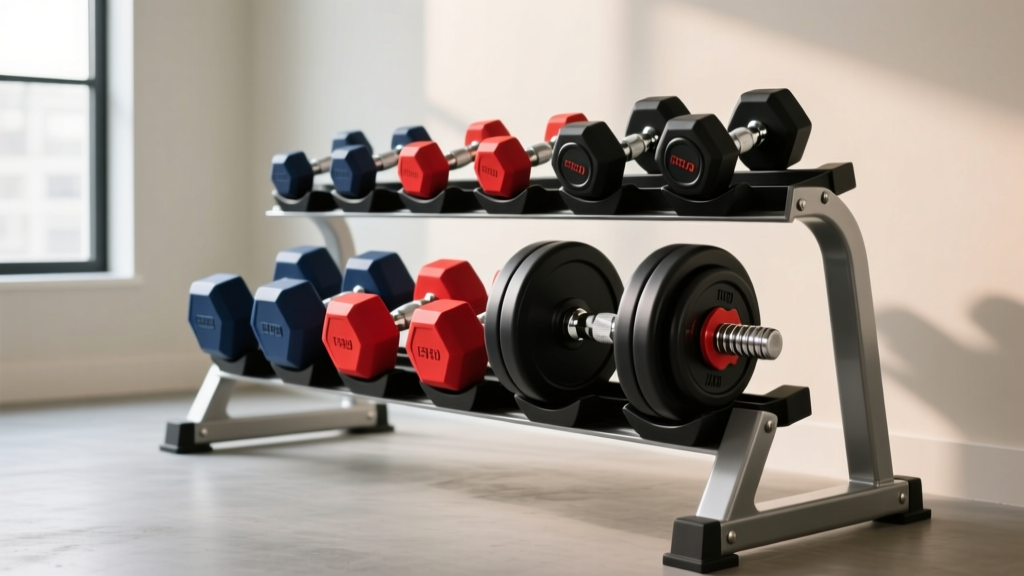
Ergonomic Dumbbells Storage: Rack Solutions & Care Guide
