
Olympic Barbell Weight Guide: Moving Past the Dumbbell Bench Press
Transitioning from the dumbbell bench press? Discover our 2026 Olympic barbell buying guide covering weight tolerances, knurl patterns, and top models.

The Biomechanical Ceiling of the Dumbbell Bench Press
The dumbbell bench press is an undisputed king of unilateral chest development, offering a superior range of motion and exposing hidden muscular imbalances. However, as you progress into advanced strength tiers, you will inevitably hit a biomechanical ceiling. When you are hoisting 100-pound or 120-pound dumbbells into position, the energy expended on stabilization and the sheer awkwardness of the kick-up often limit raw pectoral force production before your muscles actually reach failure.
According to biomechanical analyses published by the National Strength and Conditioning Association (NSCA), the stabilization demands of free-weight dumbbell pressing cap out absolute load potential compared to a fixed barbell path. If your goal is absolute strength, progressive overload, or breaking through a hypertrophy plateau, transitioning to a high-quality Olympic barbell is non-negotiable. But not all barbells are created equal. This 2026 buying guide decodes the critical metrics of barbell weight, tensile strength, and knurling geometry to help you select the perfect bar for your home or commercial gym.
Decoding Barbell Weight, Tolerances, and Tensile Strength
When upgrading from dumbbells, the first shock is the barbell's baseline weight. A standard men's Olympic barbell weighs exactly 20kg (44.09 lbs), while a women's Olympic bar weighs 15kg (33.06 lbs). However, the stated weight and the actual weight can vary wildly depending on the manufacturer's engineering standards.
Weight Tolerance: The Mark of Quality
Cheap commercial gym bars often have a weight tolerance of +/- 50 grams or more. While that sounds negligible, in elite powerlifting or precise programming, it matters. Premium manufacturers like Eleiko and Rogue engineer their competition bars to a tolerance of +/- 10 grams or even +/- 1% of total weight. When you load 315 lbs onto a precision-machined bar, you are lifting exactly what you think you are lifting.
Tensile Strength and PSI
Tensile strength, measured in Pounds per Square Inch (PSI), dictates how much load the barbell can take before it permanently bends or breaks. As detailed in Rogue Fitness Engineering's material specifications, you should never purchase a barbell with a tensile strength below 165,000 PSI.
| Barbell Tier | Tensile Strength (PSI) | Best Use Case | Expected Lifespan |
|---|---|---|---|
| Entry-Level | 150k - 165k PSI | Light technique work | 2-4 Years (bends under heavy loads) |
| Mid-Range | 190k - 200k PSI | General fitness, hypertrophy | 10+ Years |
| Elite/Competition | 205k - 215k+ PSI | Heavy powerlifting, Olympic lifting | Lifetime (often guaranteed) |
The Knurling Matrix: Hill, Mountain, and Volcano
When you grip a heavy barbell for a max-effort bench press, the knurling is your only point of contact. The geometry of the knurl dictates how the bar feels in your hands, especially when transitioning from the smooth, contoured handles of heavy dumbbells. According to BarBend's comprehensive knurling analysis, there are three primary machine-cut patterns you need to know.
- Hill Knurl: The peaks of the knurl are rounded off or worn down. Common in cheap, mass-produced bars. It feels smooth and offers virtually no grip security when your hands start sweating during heavy sets.
- Mountain Knurl: Sharp, aggressive peaks that dig deeply into the skin. While it offers maximum grip, it can tear calluses and cause hand fatigue during high-volume bench press blocks.
- Volcano Knurl: The gold standard for modern powerlifting. The machine cuts a deep rim but leaves a slight dip in the center of the peak. This provides massive surface area for grip without the sharp, skin-tearing bite of a mountain knurl.
Expert Insight: The Center Knurl Debate
Powerlifting (IPF) standards require a center knurl to help the bar grip the lifter's back during heavy low-bar squats. However, if your primary focus is the bench press and Olympic lifting, a center knurl can scrape your neck and chest during cleans or bench setups. Look for bars with a 'passive' or lightly machined center knurl if you plan on doing multi-discipline lifting.
Shaft Diameter: Why 28.5mm Matters for Bench Press
Dumbbell handles are typically thick and ergonomically contoured. Olympic barbell shafts, however, vary between 28mm and 29mm.
- 28mm (Olympic Weightlifting Bars): Designed for the hook grip and high-velocity cleans. They have more 'whip' (flex), which can feel unstable during a heavy, slow bench press.
- 28.5mm (Powerlifting Bars): The sweet spot for benching. It offers a secure grip for most hand sizes while maintaining enough rigidity to prevent the bar from bouncing off your chest.
- 29mm (Stiff Bars): Extremely rigid and thick. Great for deadlifts and squats, but can cause premature forearm fatigue during high-rep bench press accessories.
2026 Top Olympic Barbell Recommendations
Based on current market pricing, metallurgy, and knurl quality, here are the top three barbells for lifters graduating from heavy dumbbell work.
1. Rogue Ohio Power Bar (Stainless Steel) - ~$395
The undisputed workhorse of the industry. It features a 29mm shaft, 205k PSI tensile strength, and Rogue's signature volcano knurl. The stainless steel shaft requires zero maintenance and provides a raw, uncoated grip that feels incredibly secure. Best for: Dedicated powerlifters and heavy benchers.
2. Eleiko Öppen Powerlock Bar - ~$895
If budget is not a concern, Eleiko's Swedish steel is legendary. The Öppen features a unique 'Powerlock' bearing system that restricts sleeve rotation during the bench press, preventing the plates from spinning and throwing off your balance. The knurl is aggressive but refined. Best for: Elite competitors and luxury home gyms.
3. REP Fitness Colorado Bar - ~$329
An incredible mid-tier option featuring dual knurl marks (both IWF and IPF spacing), making it highly versatile. It uses a 28.5mm shaft with a hard chrome finish and a slightly less aggressive volcano knurl, making it forgiving on the hands during high-volume hypertrophy work. Best for: Cross-training and bodybuilding.
"Moving from 120lb dumbbells to a 20kg Olympic barbell changes the neurological demand of the lift. You lose the unilateral stabilization requirement, allowing your central nervous system to direct 100% of its output into raw force production. Invest in a bar with a high-quality volcano knurl to ensure that force isn't lost to grip slip."
Maintenance: Preserving Your Knurl and Finish
Chalk, dead skin, and humidity are the enemies of barbell knurling. A clogged knurl turns a volcano pattern into a smooth hill pattern within months. Follow this weekly maintenance protocol to protect your investment:
- Brush After Every Session: Use a stiff nylon bristle brush (never wire on stainless steel) to sweep chalk and skin out of the knurl grooves.
- Monthly Deep Clean: Spray the shaft with a mild household degreaser or Simple Green. Scrub vigorously with the nylon brush and wipe dry with a microfiber cloth.
- Oil the Sleeves: Apply 3-5 drops of 3-in-One oil or mineral oil to the bushing/bearing seams where the sleeve meets the shaft. Spin the sleeve to distribute the oil and wipe away excess.
Final Verdict
The dumbbell bench press will always have a place in your programming for joint health and hypertrophy. But when it is time to test your true one-rep max or push past a 225lb plateau, a precision-engineered Olympic barbell is mandatory. Prioritize a 190k+ PSI tensile strength, a 28.5mm shaft, and a volcano knurl pattern, and you will have a tool that outlasts your lifting career.
More gear to consider
All reviews
Single Dumbbell Pec Exercises: Space-Saving Loadable Setup Guide

Olympic vs Standard Plates: Bowflex SelectTech 552 Dumbbell Set Guide
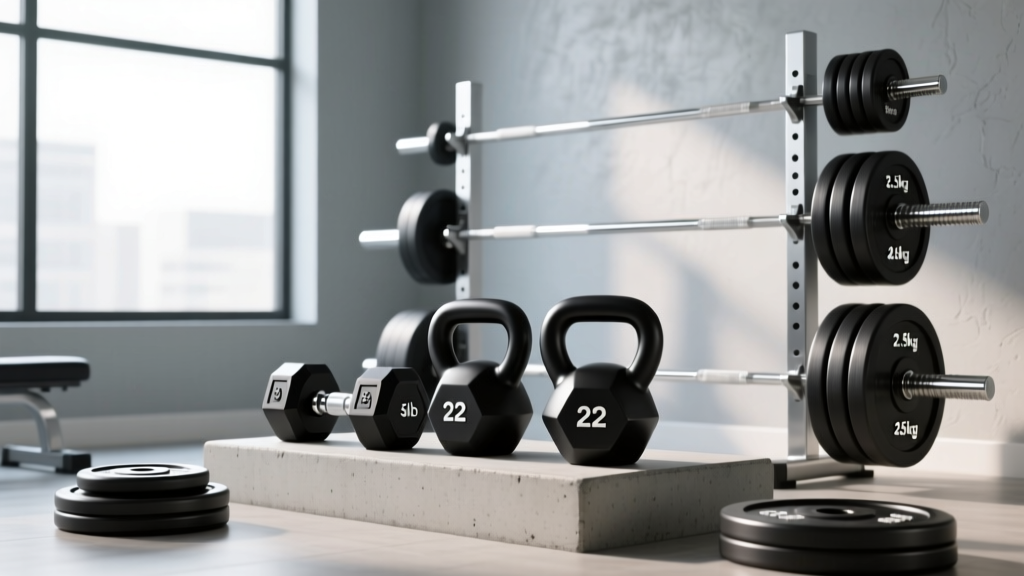
Fixed 22 Pound Dumbbells vs Standard and Olympic Weight Plates
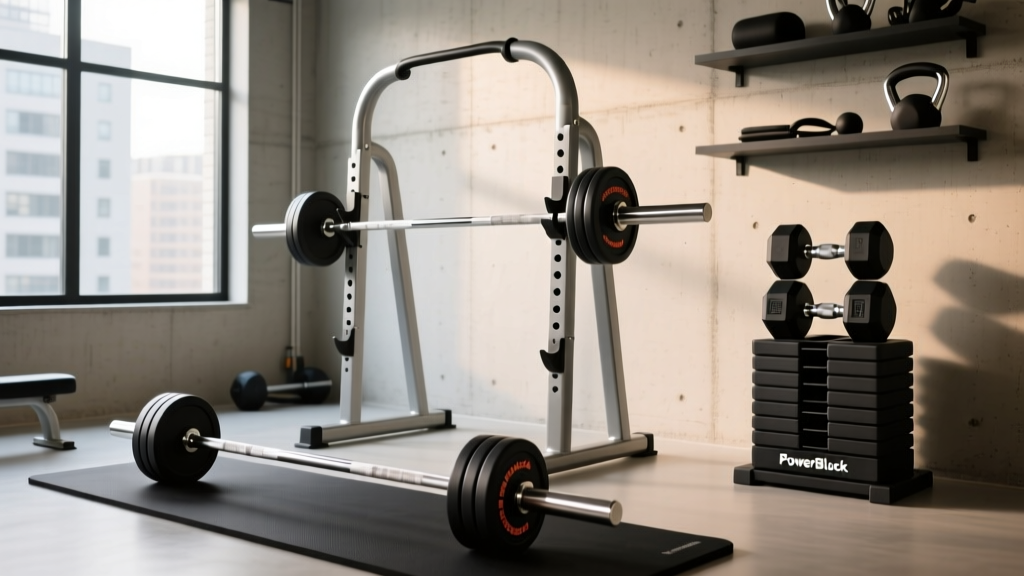
EZ Curl Bar vs Straight Bar & PowerBlock Dumbbells Space Guide
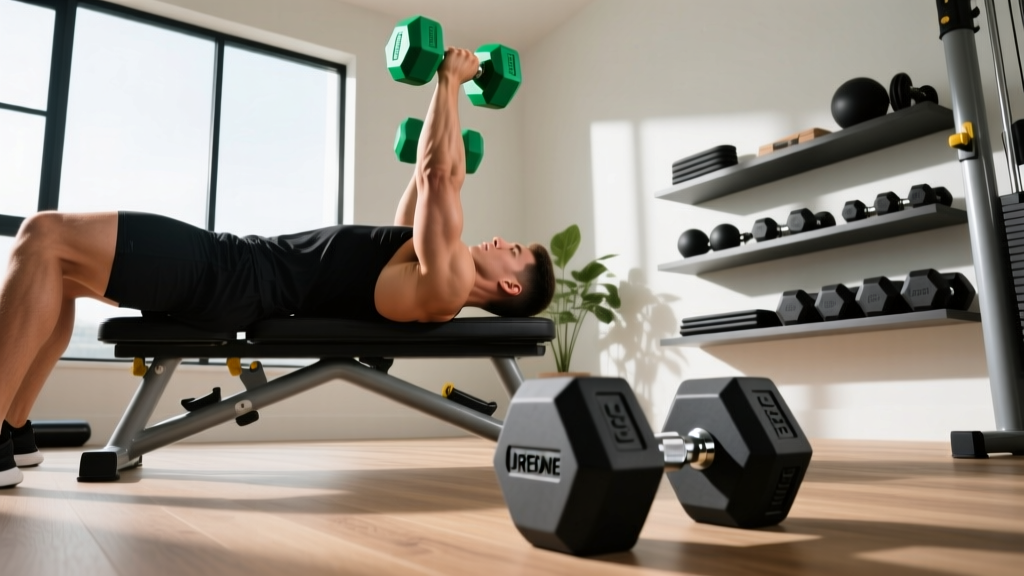
Incline Dumbbell Press vs Bench Press: Urethane vs Rubber Hex Trends
