
Does Goodwill Take Treadmills? Care for Upright & Spin Bikes
Wondering if Goodwill takes treadmills? Clear space and learn expert maintenance tips to maximize the lifespan of your upright, recumbent, and spin bikes.

Clearing the Footprint: The Treadmill Disposal Dilemma
Home gym renovations in 2026 often begin with a bulky equipment purge. A common question we receive at FitGearPulse during this transition is, "does goodwill take treadmills?" The short answer is almost universally no. Most Goodwill donation centers reject motorized treadmills due to their immense weight, electrical liability, and notoriously low resale value. To remove an old treadmill, you will typically need to hire a specialized fitness equipment hauler, schedule a municipal bulk-waste pickup, or list it for free on a local Buy Nothing network.
Once that 250-pound footprint is finally cleared, many fitness enthusiasts pivot to stationary bikes to save space and reduce joint impact. Whether you are installing an upright, recumbent, or indoor spin bike, understanding the distinct mechanical wear patterns of each is crucial. Without proper maintenance, a $1,500 studio bike can degrade into a squeaking, rusted eyesore in under two years. Below is the definitive maintenance and longevity guide for the three primary stationary bike types.
Mechanical Stress Profiles: Upright vs. Recumbent vs. Spin
Biomechanics dictate maintenance. The way you ride determines which components will fail first. Spin bikes endure high-torque, out-of-the-saddle lateral forces. Uprights deal with vertical compression and electronic console vibration. Recumbents suffer from horizontal seat-track friction and continuous poly-V belt stretching.
| Bike Type | Primary Stress Point | Average Lifespan (Heavy Use) | Most Common Failure Mode |
|---|---|---|---|
| Spin (Indoor Cycle) | Bottom Bracket & Pedals | 5-7 Years | Sweat corrosion seizing the crankset |
| Upright Studio | Drive Belt & Console | 4-6 Years | Poly-V belt stretching and slipping |
| Recumbent | Seat Track & Idler Pulley | 6-8 Years | Grit accumulation on horizontal rails |
Spin Bike Longevity: Combating Sweat and Torque
Modern magnetic resistance spin bikes, such as the Schwinn IC4 or Bowflex VeloCore, are virtually silent and require zero friction-pad replacements. However, they are highly susceptible to environmental degradation—specifically, human sweat.
The Sweat Corrosion Factor
Human sweat has a pH ranging from 4.5 to 7.0, making it mildly acidic. When this acidic moisture drips onto standard steel handlebars, seat posts, and bottom brackets, it accelerates oxidation rapidly. By 2026, most premium bikes feature sweat-resistant powder coatings, but microscopic scratches from adjusting the seat post will expose raw metal.
Pro Tip: Install a neoprene sweat guard ($20-$30) over the handlebars and frame. After every ride, wipe the frame with a 50/50 water and white vinegar solution. Avoid bleach-based or ammonia wipes, which will chemically degrade the powder coating and rubberized grips over time.Bottom Bracket and Pedal Torque
Out-of-the-saddle climbing places immense lateral shear on the bottom bracket. If you hear a rhythmic clicking during climbs, your pedals are likely loose.
- Left Pedal: Reverse-threaded. Turn counter-clockwise to tighten.
- Right Pedal: Standard thread. Turn clockwise to tighten.
- Torque Spec: Use a torque wrench to tighten both pedals to exactly 35-40 Nm. Overtightening can strip the aluminum crank arms, resulting in a $120 replacement cost.
Upright and Recumbent Bikes: Belt Tension and Electronics
Upright and recumbent bikes (like the NordicTrack S22i or Sole R92) prioritize comfort and steady-state cardio. Their maintenance revolves around the drive system and moving seating components.
Testing Poly-V Belt Deflection
Most mid-to-high-tier uprights and recumbents use a ribbed Poly-V belt rather than a chain. Over 12 to 18 months of daily use, the rubber composite stretches. A loose belt will slip during high-resistance intervals, causing a jarring loss of tension.
- Unplug the bike and remove the side shroud (usually 4 to 6 Phillips-head screws).
- Locate the belt spanning the motor/flywheel and the front crank pulley.
- Press down on the midpoint of the belt with your thumb. It should deflect exactly 1/2 inch (12mm).
- If it deflects more than 3/4 inch, loosen the idler pulley mounting bolt, slide the pulley to increase tension, and retighten. If the belt shows micro-cracking on the ribs, order a replacement (typically $45-$65 direct from the manufacturer).
Recumbent Seat Track Lubrication
Recumbent bikes feature a sliding seat rail that accumulates dust, pet hair, and dead skin cells. This grit acts like sandpaper on the nylon rollers. Every 90 days, vacuum the track and apply a silicone-based dry lubricant. Never use WD-40 or wet oils, as they will attract more particulate matter and eventually jam the adjustment pin.
Calibrating Magnetic Resistance Sensors
According to fitness equipment analysts at Consumer Reports, a common complaint with aging magnetic bikes is "ghost resistance"—where the console reads level 10, but the flywheel feels like level 6. This occurs when the Hall effect sensor (which measures the distance between the magnets and the flywheel) drifts out of alignment due to vibration.
Many 2026 smart bikes feature an auto-calibration tool hidden in the service menu. Consult your specific manufacturer's service manual to run a 60-second calibration cycle, which resets the servo-motor's zero-point. If the servo motor itself fails (a $85-$120 part), it is usually a simple plug-and-play swap located just beneath the magnetic brake housing.
End-of-Life Disposal: When the Bike Finally Dies
Even with meticulous care, electronics eventually fail. When your bike reaches the end of its 8-year lifespan, you will face a similar disposal challenge as your old treadmill. Just as certified fitness professionals advise upgrading gear for safety and biomechanical efficiency, they also advise responsible disposal.
Do not attempt to donate a broken recumbent or upright bike to charity; they will end up in a landfill. Instead, dismantle the machine. The digital console and wiring harness should be taken to a certified e-waste recycling facility. The heavy steel frame, cast-iron flywheel, and aluminum cranksets can be taken to a local scrap metal yard, where you may actually recoup $15 to $30 in raw material value—offsetting the cost of your next home gym upgrade.
The FitGearPulse Verdict: Stationary bikes offer incredible longevity compared to motorized treadmills, provided you respect their specific mechanical vulnerabilities. Control the sweat on your spin bike, monitor the belt tension on your upright, and keep the tracks clean on your recumbent. Your equipment will easily last through the next decade of training.
More gear to consider
All reviews
Space Layouts: 2 Incline on Treadmill vs Spin & Recumbent Bikes
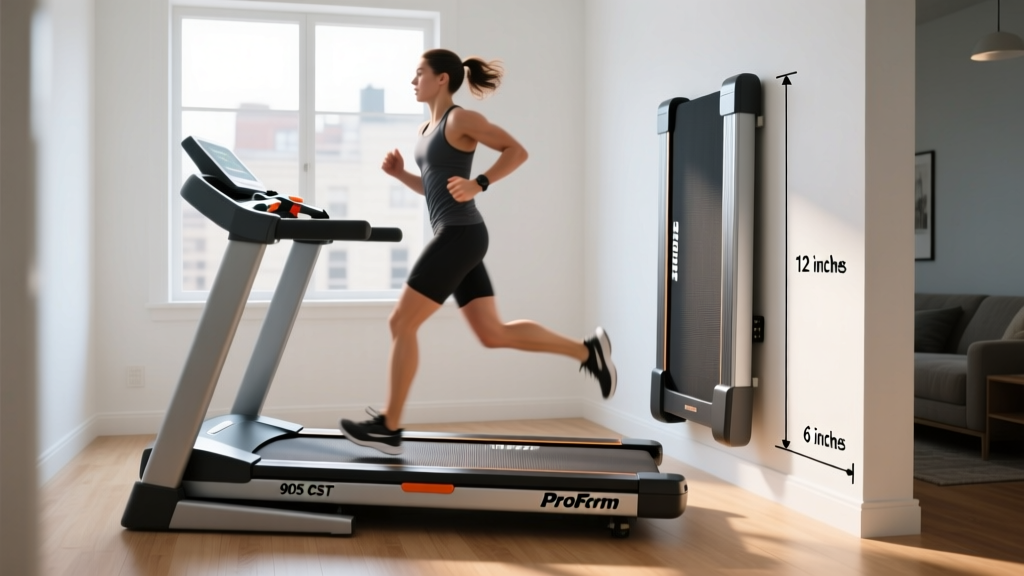
ProForm 905 CST Treadmill Review: Small Space Layout Guide

Treadmill Motor Size Guide & NordicTrack 6.5 S Reviews
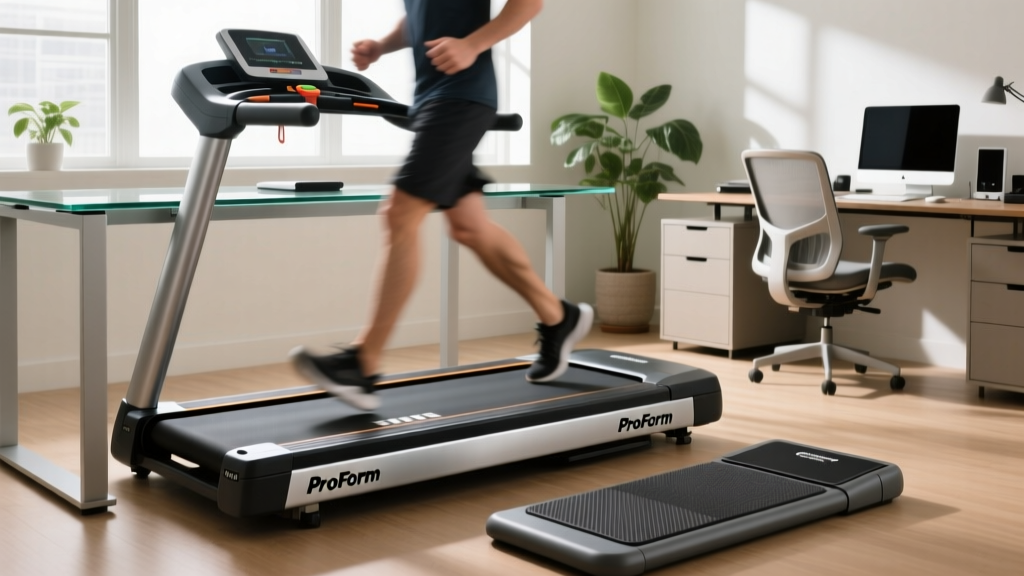
Under Desk Treadmill Review: ProForm Treadmill Motor vs Walking Pads

Cursor C70 Treadmill Review: 2026 Walking Pad Comparison Guide
