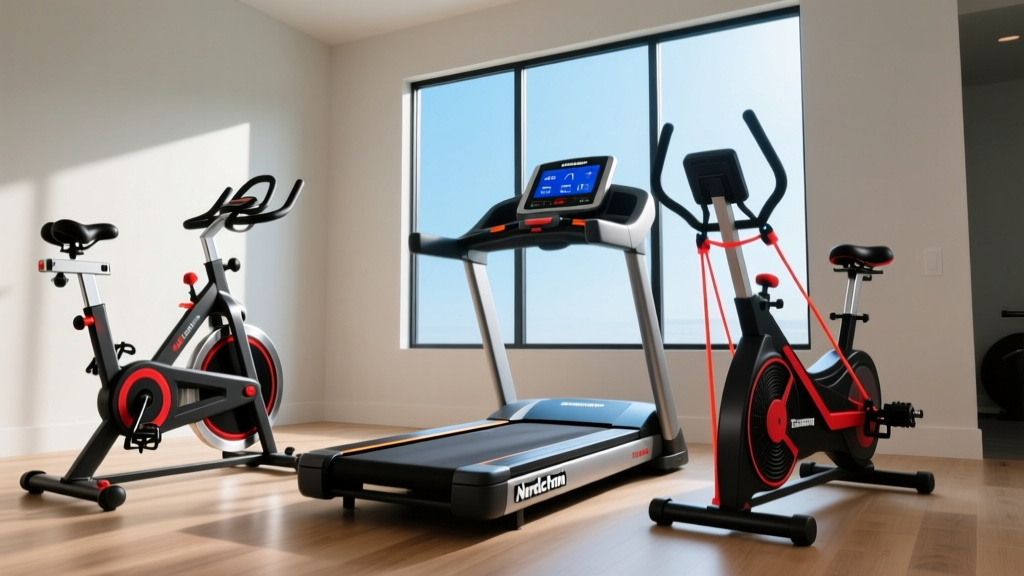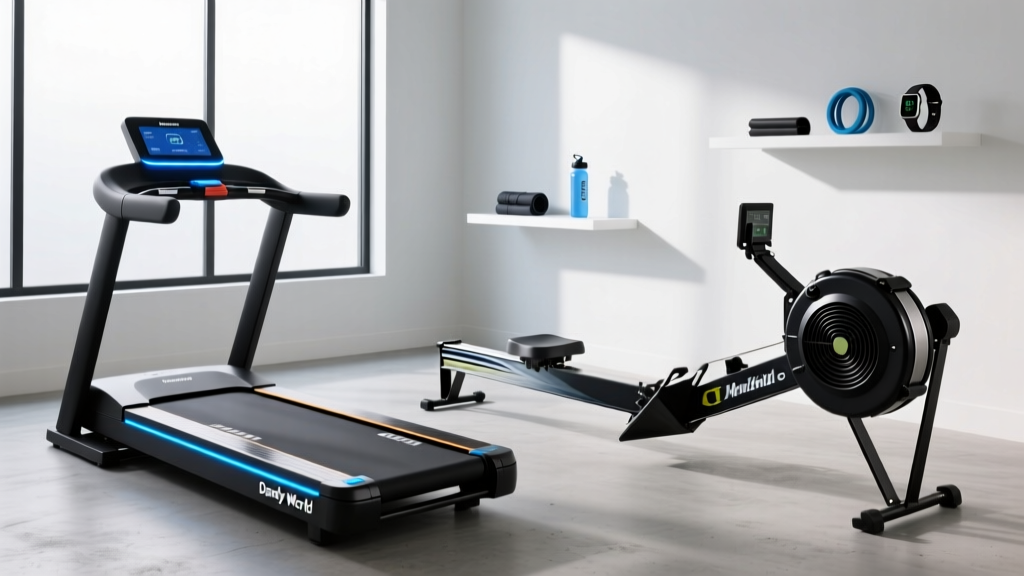
Dandy's World Treadmill vs Rowing: 2026 Buying Guide
We compare the viral Dandy's World treadmill trend against top 2026 rowing machines. Discover our expert rowing buying guide and stroke technique.

The intersection of gaming culture and home fitness has birthed some fascinating trends in 2026. Recently, the viral "Dandy's World treadmill" phenomenon—where gamers set up walking pads to grind steps while playing the hit Roblox horror game—has dominated TikTok and YouTube Shorts. While walking at 1.5 mph during a gaming session is certainly better than sitting, serious fitness enthusiasts and home-gym builders are asking a critical question: Is a gaming treadmill actually the best use of your floor space and budget?
At FitGearPulse, we put the viral treadmill walking trend head-to-head against the undisputed king of full-body cardio: the rowing machine. If you are looking to upgrade from casual gaming walks to elite cardiovascular conditioning, this comprehensive rowing machine buying guide and technique breakdown will show you exactly why the ergometer wins, and how to choose the right one for your home.
The Head-to-Head Matchup: Gaming Treadmills vs. Rowing Ergonomics
To understand why rowing machines consistently outperform walking pads for long-term fitness, we have to look at biomechanical engagement and caloric yield. According to Harvard Health Publishing, vigorous rowing burns nearly double the calories of walking at a moderate pace. But the real difference lies in muscle recruitment.
| Feature | Viral Gaming Treadmill (Walking Pad) | Mid-Tier Magnetic Rower | Elite Air Rower (e.g., Concept2) |
|---|---|---|---|
| Muscle Engagement | ~40% (Lower body only) | ~86% (Full body) | ~86% (Full body) |
| Joint Impact | Low (but repetitive heel-strike) | Zero (seated, fluid motion) | Zero (seated, fluid motion) |
| Avg. Caloric Burn (30m) | 120 - 150 kcal | 250 - 300 kcal | 300 - 450 kcal |
| Postural Benefits | Negative (promotes forward lean) | Positive (core/rear deltoid focus) | Positive (core/rear deltoid focus) |
| 2026 Price Range | $150 - $400 | $400 - $900 | $990 - $2,500 |
2026 Rowing Machine Buying Guide: What to Look For
If you are ready to abandon the walking pad and invest in a rower, you must navigate a market flooded with cheap, unreliable hydraulic models. Here is the technical breakdown of resistance types and specific 2026 models that deliver actual value.
1. Air Resistance: The Gold Standard
Air rowers use a flywheel with fan blades. The harder you pull, the more resistance is generated. This dynamic response is why air rowers are the only type approved for Olympic training and CrossFit competitions.
- Top Pick: Concept2 RowErg (Standard Legs). Priced at $990 in 2026, it remains virtually indestructible.
- Failure Mode Check: Air rowers use a steel chain. Unlike bungee cords found in magnetic rowers, chains do not snap, but they require 3-in-One oil lubrication every 50 hours of use to prevent rust and sprocket wear.
- Footprint: Requires 107" x 24" of clearance during use, but separates into two pieces for vertical storage.
2. Magnetic Resistance: The Quiet Contender
Magnetic rowers use electromagnets to create drag on a metal flywheel. They are whisper-quiet, making them ideal for apartments or late-night cardio sessions while your household sleeps.
- Top Pick: Hydrow Arc. At $1,495, it offers a compact, 22-inch footprint and a sophisticated electromagnetic drag system that mimics water tension.
- Failure Mode Check: Cheaper magnetic rowers (under $300) rely on elastic bungee cords for the handle return mechanism. These cords degrade, lose elasticity, and eventually snap after 1 to 2 years of heavy use. Always look for models with a nylon webbing strap and a geared return system.
3. Water Resistance: The Aesthetic Choice
Water rowers feature a polycarbonate tank filled with actual water. The sound of the rushing water provides incredible auditory feedback, and the resistance curve feels the most natural.
- Top Pick: Ergatta (Cherry Wood). Priced around $2,499, it functions as both a high-end rower and a piece of furniture.
- Maintenance Note: You must add a chlorine tablet to the water tank every 6 months to prevent algae growth, which can degrade the internal rubber seals.
"Avoid hydraulic rowers at all costs. The dual-piston systems overheat after 20 minutes of continuous use, leading to seal blowouts and a complete loss of resistance. They are the single biggest waste of money in the home cardio market."
— FitGearPulse Engineering Team, 2026 Durability Report
Mastering the Stroke: Biomechanics and Technique
Buying a premium machine is only half the battle. The official Concept2 technique guide emphasizes that rowing is not an arm exercise; it is a power-lifting movement adapted for cardiovascular endurance. Proper form engages 86% of your musculature and protects your lumbar spine.
The Four Phases of the Stroke
- The Catch: Slide forward until your shins are perfectly vertical (do not compress past 90 degrees, or you will strain your patellar tendons). Your arms should be dead straight, shoulders relaxed, and torso leaning slightly forward at an 11 o'clock angle.
- The Drive: This is where the power happens. Initiate the movement by explosively pushing with your legs. Do not pull with your arms yet. The power distribution should be 60% legs, 30% core swing, and 10% arm pull.
- The Finish: Once your legs are fully extended, hinge your core back to a 1 o'clock position and pull the handle to your lower sternum (just below the chest). Keep your wrists flat.
- The Recovery: Reverse the sequence exactly. Arms extend first, core hinges forward to 11 o'clock, and then the legs bend to slide back to the catch. The recovery should take twice as long as the drive (a 1:2 stroke ratio).
Critical Failure Modes to Avoid
According to biomechanical analyses cited by the Cleveland Clinic, improper rowing technique is a leading cause of exercise-induced lower back pain in home-gym users. Watch out for these two fatal errors:
- Shooting the Slide: This happens when you push with your legs but forget to engage your core, causing your hips to shoot backward while your upper body stays in place. This transfers massive shear force directly into your L4 and L5 lumbar vertebrae. Fix: Ensure your shoulders and hips move backward at the exact same time during the initial drive.
- Early Arm Pull: Bending your elbows before your legs are halfway extended. This bypasses the massive glute and quad muscles and places the entire load on your biceps and lats, leading to rapid fatigue and potential bicep tendonitis. Fix: Think of your arms as mere "hooks" connecting your body to the handle until the legs are nearly straight.
Final Verdict: Which Machine Wins for Home Gyms?
The "Dandy's World treadmill" trend is a fantastic gateway into movement snacking and breaking up sedentary gaming marathons. If your primary goal is simply to hit 8,000 steps while grinding through a Roblox session, a $200 walking pad will serve you well.
However, if your goal in 2026 is to build a resilient, athletic physique, improve your VO2 max, and correct the postural damage of modern desk life, the rowing machine is the undisputed champion. For most home gyms, the Concept2 RowErg remains the smartest financial investment, offering a lifetime of durability, unmatched resale value, and a biomechanically perfect stroke. Ditch the walking pad, strap your feet into the ergometer, and start driving.
More gear to consider
All reviews
Complete In10ct Treadmill Setup & Motor Power Guide

Retro Walking Treadmill Belt Maintenance & Lubrication Guide

ProForm GTS Crosswalk Treadmill: Elliptical vs Treadmill 2026 Trends
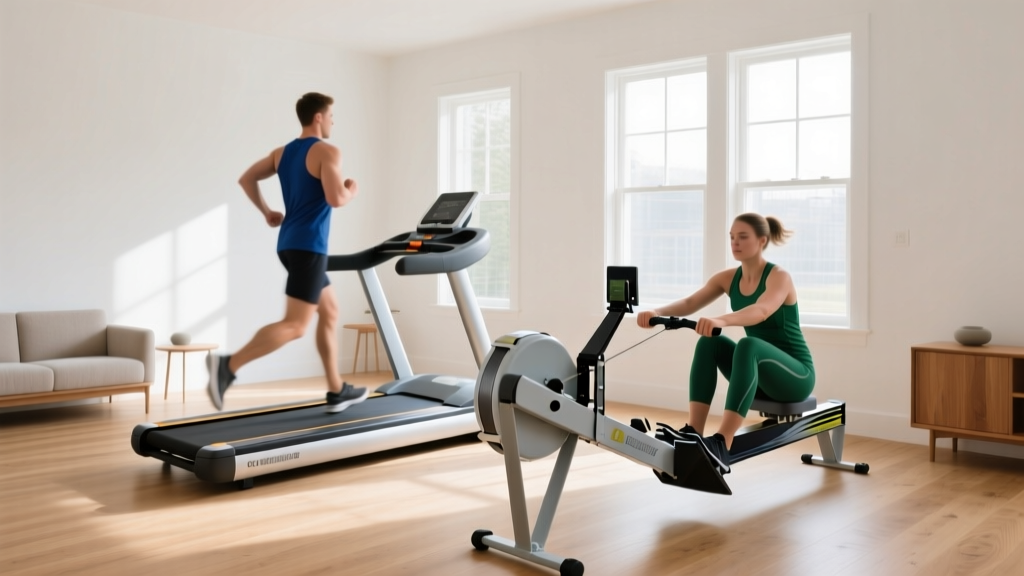
Space Treadmill vs Rower: Setup, Buying & Technique Guide

Walking Pad vs AFG Treadmill 7.1 AT: Common Mistakes & Fixes