
Cupping Therapy Equipment and TruMedic massage gun Maintenance
Master the maintenance of cupping therapy equipment and your TruMedic massage gun. Expert cleaning, battery care, and longevity tips for athletes.

The Athlete Recovery Ecosystem: Integrating Negative and Positive Pressure
Modern athletic recovery relies on a multi-modal approach to tissue rehabilitation. While percussion therapy remains a staple for neuromuscular activation and localized blood flow, integrating cupping therapy equipment for athletes introduces myofascial decompression—a vital counter-mechanism to the compressive forces of heavy training. If you have already invested in a high-performance percussion device like the TruMedic massage gun (such as the TruMedic Pro-8 or X-1), adding smart cupping sets to your regimen creates a comprehensive positive-and-negative pressure ecosystem. However, this dual-modality approach demands rigorous, specialized maintenance.
Unlike standard foam rollers, both electronic cupping devices and percussion massagers contain精密 (precision) lithium-ion batteries, micro-motors, and medical-grade silicone components that degrade rapidly if improperly sanitized. This guide provides an elite-level maintenance protocol to maximize the lifespan, hygiene, and mechanical integrity of your cupping therapy equipment and your TruMedic massage gun.
Material Science: The Silent Degradation of Medical-Grade Silicone
The primary point of contact in any cupping set is the silicone cup rim. Manufacturers like AchedAway and Hyperice utilize platinum-cured, medical-grade silicone to ensure biocompatibility and airtight suction. However, athletes frequently make a catastrophic maintenance error: cleaning these silicone components with high-concentration isopropyl alcohol (IPA) or harsh chemical degreasers.
While 70% IPA is excellent for sanitizing the hard ABS plastic shell of your TruMedic massage gun, it acts as a solvent to the plasticizers within silicone. Repeated exposure causes the silicone to leach its flexible compounds, resulting in micro-tearing, loss of elasticity, and an inability to maintain a vacuum seal on the skin. According to the FDA guidelines on reprocessing medical devices, porous materials require specific non-corrosive antimicrobial agents to maintain structural integrity.
⚠️ Critical Maintenance Warning: Never boil electronic smart cuppers to sterilize them. While traditional glass or pure silicone manual cups can withstand boiling water (212°F / 100°C), smart cuppers contain internal vacuum pumps, red-light therapy LEDs, and lithium batteries that will suffer catastrophic thermal failure and vent toxic gases if exposed to extreme heat.The Correct Silicone Sanitization Protocol
- Pre-Wipe: Immediately after use, wipe the silicone rim with a dry, lint-free microfiber cloth to remove massage oils, sweat, and dead skin cells.
- Wash: Use warm water (under 105°F) and a pH-neutral, fragrance-free antibacterial soap. Gently massage the rim with your fingers—never use abrasive sponges that can score the silicone.
- Disinfect: Utilize quaternary ammonium-based sanitizing wipes (often used in clinical settings) or a dedicated UV-C sanitizing chamber for 10 minutes. UV-C light destroys bacterial DNA without degrading the silicone polymers.
- Dry: Air dry completely in a shaded area. UV radiation from direct sunlight accelerates silicone oxidation and yellowing.
Electronic Vacuum Motors vs. Percussion Motors: Divergent Care Paths
Maintaining the motor of a smart cupping device requires a different approach than maintaining the motor of your TruMedic massage gun. The TruMedic Pro-8 utilizes a high-torque, brushless motor designed to push against tissue resistance (stall force up to 60 lbs). In contrast, smart cuppers (like the AchedAway Pro Cupper or Xiaomi Smart Cupper) rely on micro-diaphragm vacuum pumps designed to pull air, not push physical mass.
Protecting the Vacuum Diaphragm
The most common failure mode in electronic cupping therapy equipment is the clogging of the internal one-way air release valve and the vacuum diaphragm. When athletes use massage oils or lotions prior to cupping, the aerosolized oil particles are drawn into the device's exhaust ports. Over time, this oil mixes with dust and dead skin, creating a viscous sludge that seizes the micro-valve, resulting in a slow suction leak.
The Fix: Every 30 days, use a can of compressed air (kept upright to avoid spraying liquid propellant) to blow out the exhaust vents of your smart cupper. Keep the pressure under 30 PSI to avoid blowing the internal valve off its seat. Furthermore, never apply massage oils directly to the skin before using an electronic cupper; use the device on dry skin or over a thin, tight compression garment to protect the internal pneumatics.
Maintenance Schedule and Failure Mode Matrix
| Component | Common Failure Mode | Preventative Action | Frequency |
|---|---|---|---|
| Silicone Cup Rims | Loss of elasticity, micro-tears, suction leaks | Wash with pH-neutral soap; avoid IPA and direct sunlight | After every use |
| Vacuum Exhaust Valve | Clogged by aerosolized oils, slow pressure loss | Purge with compressed air (<30 PSI); use on dry skin | Monthly |
| TruMedic Massage Gun Shaft | Lateral wobble, bearing grind, squeaking | Wipe shaft with dry cloth; never lubricate with WD-40 | Weekly |
| Lithium-Ion Batteries | Deep discharge, voltage sag, reduced runtime | Store at 50% charge; avoid draining to 0% | Ongoing storage |
Battery Longevity: Unifying Your Recovery Tech
Both your TruMedic massage gun and your electronic cupping therapy equipment are powered by lithium-ion (Li-ion) battery cells. The chemistry of Li-ion batteries dictates that they suffer irreversible capacity loss when subjected to deep discharge cycles (dropping to 0%) or prolonged storage at 100% capacity.
The TruMedic Pro-8 houses a high-capacity 2550mAh battery designed for hours of continuous stall-force percussion. Smart cuppers typically use smaller 800mAh to 1200mAh cells. To maximize the lifespan of both devices, implement the 20-80% rule: recharge your devices when they hit 20% capacity, and unplug them at 80%. If you are traveling for a competition or storing your recovery kit during an off-season, charge both the TruMedic massage gun and your cupping devices to exactly 50% and power them off completely. Storing a Li-ion battery at 100% in a hot environment (like the trunk of a car after a summer tournament) accelerates internal dendrite formation, which can lead to battery swelling and total device failure.
Hygiene Standards and Cross-Contamination
Athletes sharing recovery spaces must adhere to strict hygiene protocols. The CDC Guidelines for Disinfection and Sterilization emphasize that non-critical medical devices (those that contact intact skin but not mucous membranes) require low-level disinfection. Because cupping creates intense localized pressure and can occasionally cause skin micro-abrasions or petechiae (the circular bruising characteristic of the therapy), treating your equipment with high-level sanitization is paramount to prevent Staphylococcus aureus (Staph) or MRSA infections.
While the silicone cups of traditional sets can be fully submerged in a 1:100 bleach solution for 10 minutes, electronic smart cuppers cannot. For electronic units, the removable silicone caps must be detached and washed separately. The hard plastic body of the smart cupper, as well as the attachment heads of your TruMedic massage gun (which are often made of similar dense EVA foam or hard plastics), should be wiped down with 70% isopropyl alcohol or hospital-grade disinfectant wipes. Allow the alcohol to evaporate completely before reattaching the silicone components to prevent chemical trapping against the skin.
Troubleshooting: When Suction and Percussion Fail
Even with meticulous care, mechanical issues can arise. Here is how to diagnose and address the most common edge cases in your recovery equipment:
Smart Cupper Loses Suction After 2 Minutes
Diagnosis: This is rarely a motor failure. It is almost always a compromised seal or a clogged micro-valve. Action: Inspect the silicone rim for microscopic nicks. Run your fingernail lightly along the inner lip; if it catches, the cup is compromised and must be replaced. If the rim is smooth, use a micro-brush to clean the internal pressure release button, which often accumulates dead skin that prevents the valve from closing fully.
TruMedic Massage Gun Emits a High-Pitched Whine
Diagnosis: Percussion guns utilize a reciprocating mass on a crankshaft. A high-pitched whine usually indicates that the internal PTFE (Teflon) bushings are running dry, or sweat has corroded the outer shaft. Action: Never spray liquid lubricants like WD-40 into the motor housing, as this will strip the factory-applied dielectric grease and ruin the electronics. Instead, wipe the exposed metal shaft with a dry cloth and apply a microscopic drop of synthetic PTFE dry lube to the very base of the shaft, running the gun on the lowest setting for 10 seconds to draw it in.
Final Thoughts on Equipment Longevity
Investing in premium recovery technology like the TruMedic massage gun and advanced cupping therapy equipment for athletes is only half the battle. The true ROI of these devices is realized through disciplined, science-backed maintenance. By respecting the material limits of medical-grade silicone, protecting the delicate pneumatics of vacuum motors, and managing lithium-ion battery chemistry, you ensure that your recovery ecosystem remains hygienic, powerful, and ready for your next training block.
More gear to consider
All reviews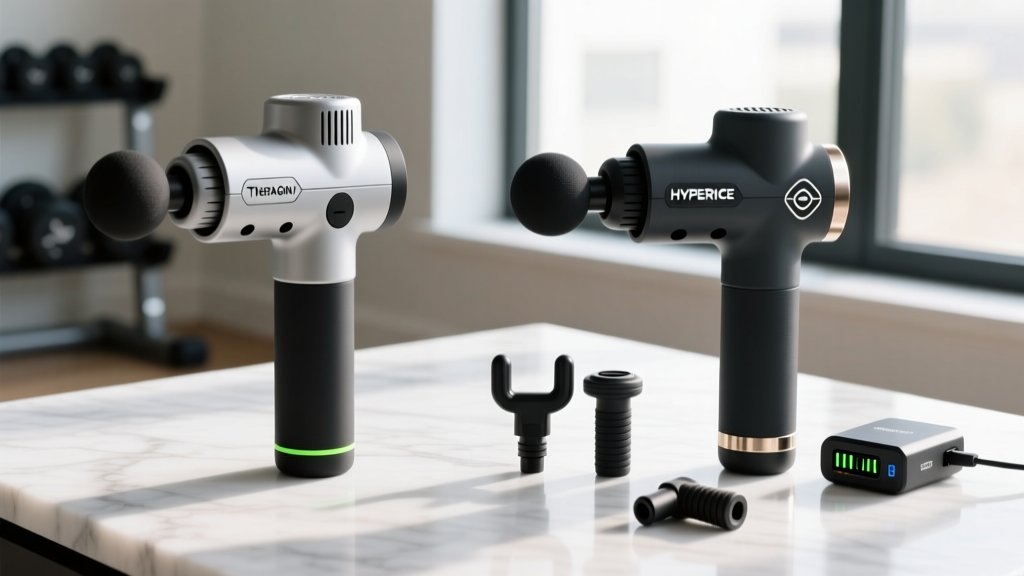
Percussion Massage Gun Benefits: Theragun vs Hyperice Maintenance

2026 Recovery Trends: Athlete Cupping Gear & Massage Gun for TMJ
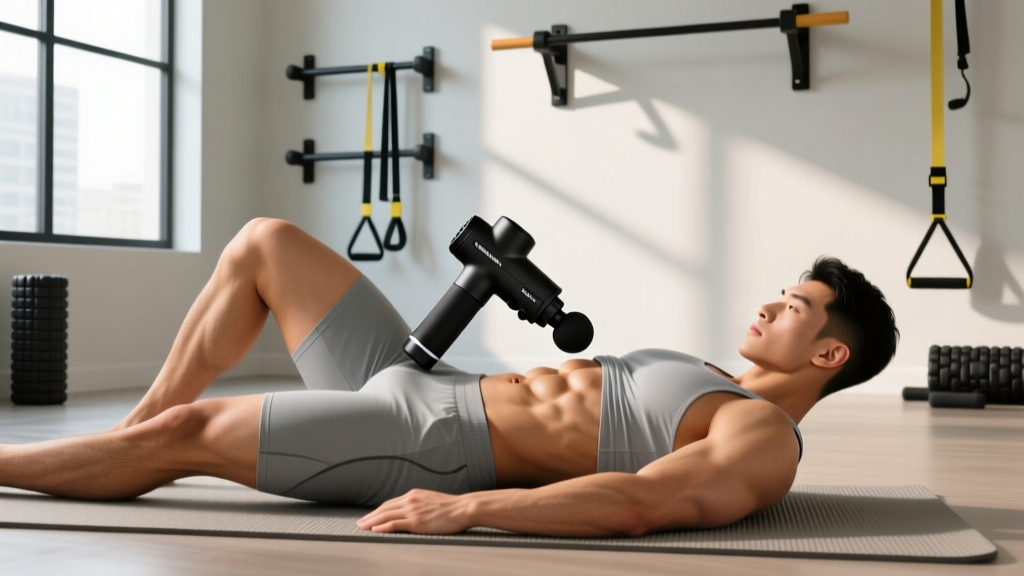
Benefits of Massage Gun on Stomach & Stretching Tools
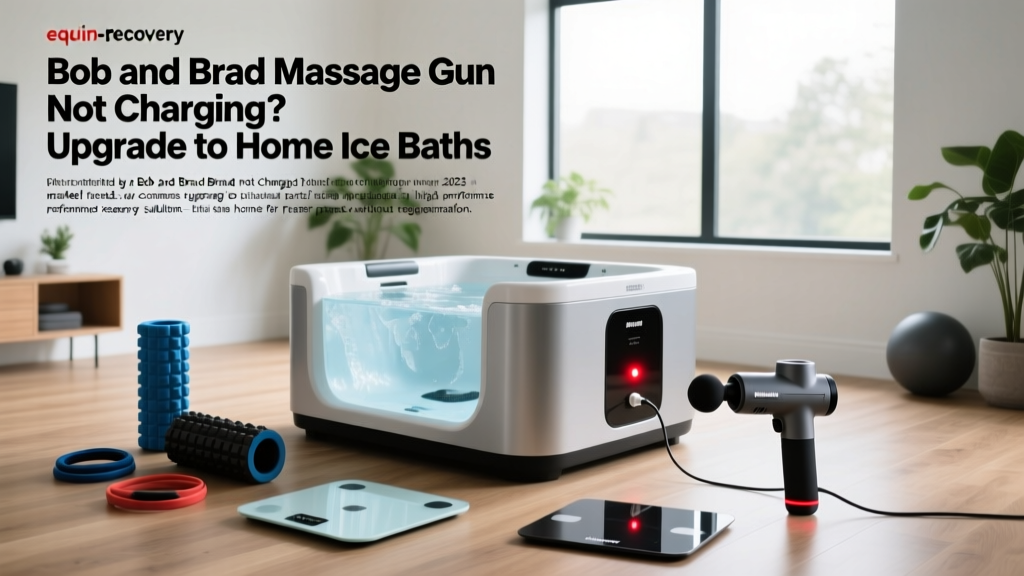
Bob and Brad Massage Gun Not Charging? Upgrade to Home Ice Baths

Troubleshooting Heat Pads, Wraps & a Massage Gun for Tight Muscles
