
CrossFit Treadmill Duel: AssaultRunner Elite vs Rogue Echo Runner
We compare the top curved models in this crossfit treadmill showdown, analyzing belt mechanics, WOD performance, and 2026 pricing for your box.

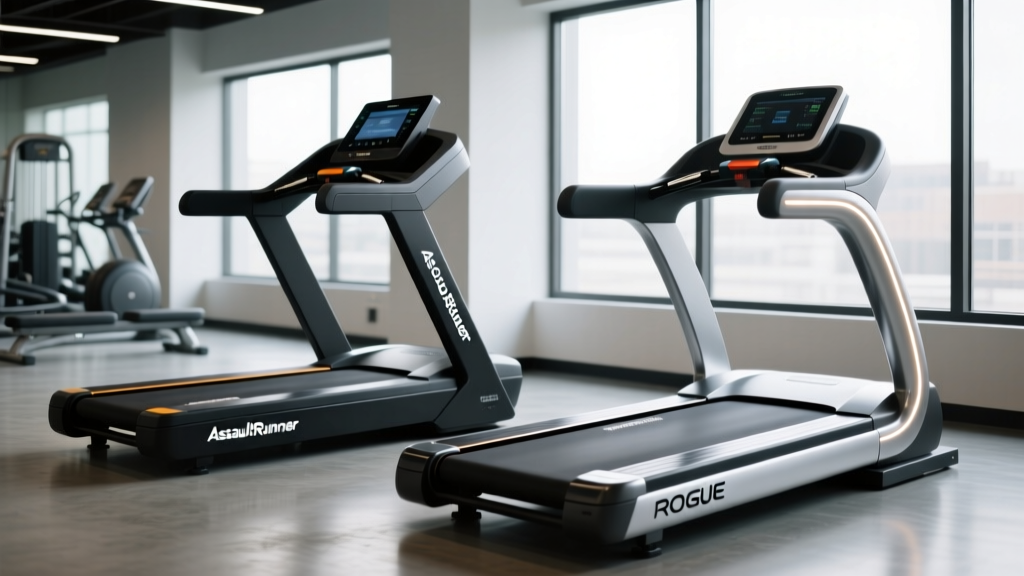
Finding the right curved crossfit treadmill for high-intensity WODs requires looking past marketing hype and examining raw mechanical durability. When your programming includes 400-meter sprints and heavy EMOM running intervals, the deck and belt system must withstand repetitive, high-impact foot strikes without degrading. In this 2026 comparison, we dismantle the two heavyweights dominating affiliate floors: the AssaultRunner Elite and the Rogue Echo Runner.
The Biomechanics of a Curved CrossFit Treadmill
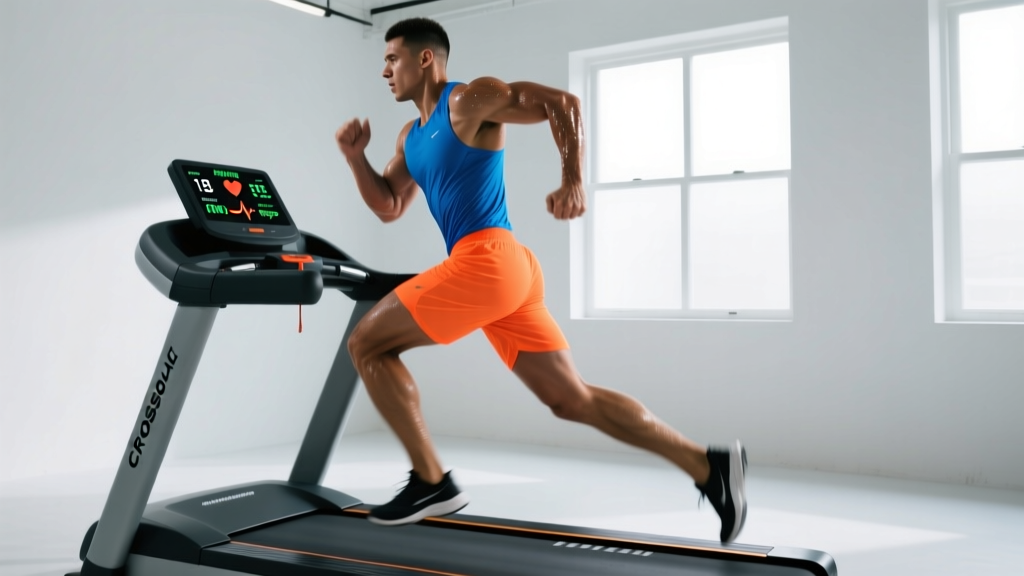
Motorized treadmills actively pull the user's foot backward, which artificially assists the hip flexors and alters natural running mechanics. Curved, non-motorized models force the athlete to drive the belt with every foot strike. This self-powered mechanism increases caloric expenditure by up to 30% compared to motorized equivalents, according to data referenced by the American Heart Association regarding high-intensity interval training. More importantly for CrossFit athletes, the curved deck geometry demands aggressive posterior chain engagement—specifically targeting the glutes, hamstrings, and calves—mimicking the biomechanics of outdoor track sprinting far more accurately than a flat, motorized belt.
Head-to-Head Specification Matrix
Before analyzing the subjective feel of each machine, we need to look at the hard engineering data. The differences in weight and belt construction dictate how these machines behave during maximal effort sprints.
| Feature | AssaultRunner Elite | Rogue Echo Runner |
|---|---|---|
| Machine Weight | 280 lbs | 350 lbs |
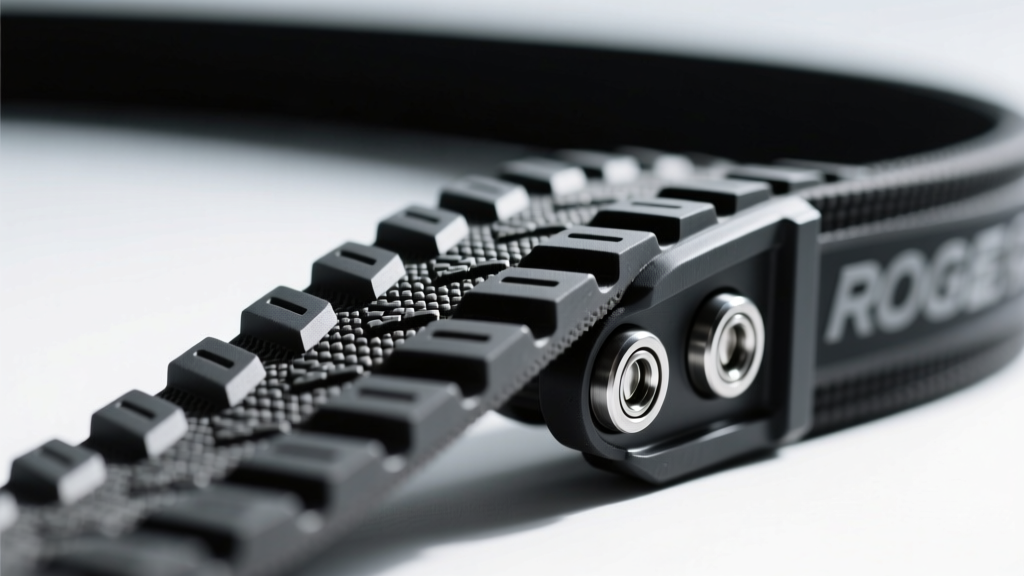
| Belt Type | Continuous Rubber Belt | Vulcanized Rubber Slat Belt |
| Running Surface Width | 17 inches | 17.5 inches |
| Max User Weight Capacity | 350 lbs | 400 lbs |
| Console Display | Full-color LCD with Bluetooth | Monochrome LED (Basic Telemetry) |
| 2026 Retail Price | $3,299 | $4,495 |
AssaultRunner Elite: The Belt-Driven Workhorse
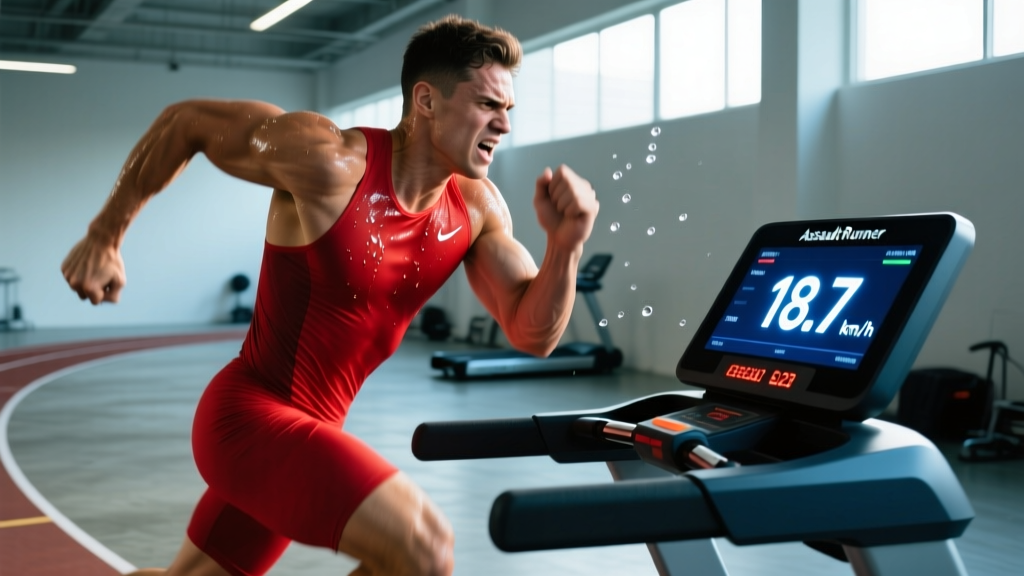
The AssaultRunner Elite relies on a 17-inch wide continuous rubber belt. Because it is 70 lbs lighter than the Rogue, it is significantly easier for gym owners to reposition when reconfiguring the floor space for partner WODs or cleaning the mats. The full-color LCD console is a standout feature, offering crisp visibility for pacing during long chipper workouts, and it includes Bluetooth connectivity for syncing with third-party heart rate monitors and training apps.
Pros and Cons of the AssaultRunner
- Pro: Superior console display with intuitive interval programming and Bluetooth FTMS connectivity.
- Pro: Lighter footprint makes floor plan adjustments manageable for a single coach.
- Con: Continuous belts are prone to stretching over 3 to 5 years of heavy commercial use.
- Con: Narrower 17-inch running surface can feel restrictive for athletes with a wide sprinting gait.
Rogue Echo Runner: The Slat-Belt Premium Standard
Rogue took a different engineering approach by utilizing a vulcanized rubber slat belt, a design heavily detailed in the official Echo Runner specifications. Slat belts do not stretch. Each individual rubber slat is bolted to a continuous underlying Kevlar-reinforced loop. This completely eliminates the risk of belt slippage during explosive starts. Furthermore, the massive 350 lbs total weight anchors the machine to the floor, ensuring zero lateral shifting even when a 250 lb athlete is hammering the deck during the final rounds of a metcon.
Pros and Cons of the Rogue Echo
- Pro: Zero belt stretch guarantees consistent tension and zero slippage for the lifespan of the machine.
- Pro: Thicker 17.5-inch slat belt provides superior shock absorption and accommodates wider running stances.
- Con: The 350 lbs weight makes moving the machine a two-person job.
- Con: The basic LED console lacks the advanced interval programming and color display of the Assault.
Performance in Benchmark WODs
When evaluating a crossfit treadmill for high-volume affiliate use, we have to look at how it handles benchmark workouts like 'Helen' (3 rounds of 400m run, 21 kettlebell swings, 12 pull-ups) or 'White' (5 rounds of 400m run). The transition from the pull-up rig to the treadmill is where seconds are lost.
The Rogue Echo Runner's heavier flywheel and slat belt require slightly more initial force to get moving from a dead stop. For elite athletes, this resistance mimics the feeling of pushing off a rubberized outdoor track. However, for scaled athletes or those fatigued in the final round of Helen, the AssaultRunner Elite's lighter continuous belt is noticeably easier to bring up to cruising speed. Conversely, during the deceleration phase, the Rogue's heavier belt requires athletes to actively brake with their legs, whereas the Assault's belt slows down more passively. Athletes must be coached to safely step off the side rails of the Rogue rather than trying to walk it to a complete stop, which can cause Achilles strain when highly fatigued.
Pricing, Warranty, and 2026 Availability
Capital expenditure is a major factor for gym owners. As of 2026, the AssaultRunner Elite retails for $3,299, while the Rogue Echo Runner commands a premium at $4,495. Both manufacturers offer robust commercial warranties covering the frame for life and the belt/bearings for 3 to 5 years, but the long-term cost of ownership differs.
According to long-term durability reviews from Garage Gym Reviews, the AssaultRunner's continuous belt may require a $250 replacement every 4 to 6 years in a high-traffic commercial environment. The Rogue Echo's slat belt is virtually indestructible under normal use, but if a slat is damaged by dropped equipment, individual replacement slats cost roughly $40 each. For a commercial box buying 10 units, the Rogue represents a $12,000 higher upfront investment, but it will likely require zero belt maintenance over a decade of heavy abuse.
Final Verdict: Which CrossFit Treadmill Wins?
Ultimately, selecting the best crossfit treadmill depends entirely on your facility's specific operational needs and budget constraints.
Best for Commercial Affiliates: Rogue Echo Runner
If you are outfitting a high-traffic box where machines will see 50+ WODs a week, the 350 lbs weight, 400 lbs user capacity, and stretch-proof slat belt of the Echo Runner justify the $4,495 price tag. It is a buy-it-for-life piece of equipment that eliminates belt-tensioning maintenance.
Best for Home Gyms & Boutique Studios: AssaultRunner Elite
For home gym owners or smaller boutique studios where floor space is frequently reconfigured and budget is a priority, the $3,299 AssaultRunner Elite is the superior choice. The lighter 280 lbs frame, wider 17-inch belt adequacy, and vastly superior Bluetooth-enabled LCD console provide a premium user experience without the commercial-grade price premium.
More gear to consider
All reviews
Buying Alternatives to Analysis: Practical, Evidence-Based Substitutes for Lab-Driven Fitness Assessment
Real Trends 2026: Evidence-Based Shifts in Fitness Equipment, Wearables, and Training Ecosystems
Mastering the CrossFit Treadmill: EMOM and Sprint WOD Techniques

Bath Homegym Compare Essentials: Space-Smart Strength Training for Small Bathrooms & Compact Homes

Best Home Gym Smart Systems for Breakdown: Real-World Testing of Foldability, Portability & Space-Saving Design
