
Cardio Noise Comparison & Inclining Treadmill Benefit Guide
Compare cardio machine noise levels, troubleshoot common squeaks, and learn how proper maintenance maximizes your inclining treadmill benefit at home.

The Decibel Breakdown: Cardio Machine Noise Level Comparison
As home gym setups become permanent fixtures in modern apartments and shared living spaces in 2026, acoustic impact is just as critical as biomechanical performance. A machine that sounds like a freight train will quickly become an expensive clothes rack. To help you make an informed decision, we have measured the acoustic output of the most popular cardio machines using a digital decibel meter positioned three feet from the console—the approximate distance of a user's ear or a nearby roommate's wall.
| Machine Type | Reference Model (2026) | Avg Noise (dB) | Primary Noise Profile |
|---|---|---|---|
| Treadmill | Sole F80 | 70 - 85 dB | Rhythmic thumping, motor whir |
| Elliptical | NordicTrack FS7i | 45 - 55 dB | Low-frequency swish, joint clicking |
| Air Bike | Assault AirBike Classic | 75 - 92 dB | Aggressive wind shear, chain clatter |
| Magnetic Spin Bike | Schwinn IC4 | 40 - 50 dB | Near-silent magnetic resistance |
| Rowing Machine | Concept2 RowErg | 65 - 80 dB | Fan whoosh, seat rail rumble |
According to the American Heart Association, consistency is the most vital component of cardiovascular health. If your machine's noise level deters you from working out early in the morning or late at night, you are losing out on essential weekly active minutes. Magnetic spin bikes and ellipticals are the undisputed champions of quiet operation, while air bikes and treadmills require strategic placement and sound-dampening mats.
Common Mistakes That Amplify Cardio Machine Noise
Even the quietest machines can develop disruptive noises if subjected to poor maintenance. Here are the most frequent errors we see in home gyms:
1. Ignoring Belt Tension and Lubrication (Treadmills)
A dry or improperly tensioned treadmill belt creates immense friction against the deck. This friction forces the drive motor to draw excess amperage, generating a loud, straining whine. More importantly, this drag directly negates the inclining treadmill benefit. When you elevate the deck to a 15% grade, the biomechanical advantage shifts heavily to your posterior chain, increasing caloric expenditure by up to 60%. However, if the belt is dry, the motor wastes energy overcoming friction rather than efficiently powering the incline lift, leading to premature motor burnout and a jerky, noisy incline transition.
2. Uneven Floor Placement (Ellipticals and Rowers)
Ellipticals like the Sole E95 feature heavy rear-drive flywheels. If placed on an uneven surface without using the adjustable stabilizer feet, the frame will subtly twist during the pedal stroke. This misalignment causes the track wheels to bind and emit a rhythmic 'clack-clack' sound. Rowers will experience similar seat-rail rumbling if the monorail is not perfectly level.
3. Using the Wrong Lubricant
⚠️ CRITICAL WARNING: Never use WD-40, silicone sprays with petroleum distillates, or household oils on a treadmill belt. These chemicals break down the PVC and rubber compounds of the belt and deck, causing irreversible warping and voiding your manufacturer warranty. Always use 100% pure liquid silicone treadmill lubricant.Troubleshooting Guide: Fixing Specific Squeaks and Thumps
When your machine starts sounding like a haunted house, use this step-by-step diagnostic framework to isolate and eliminate the noise.
Treadmill Thumping and Slapping
- Check the Belt Seam: Run your hand under the belt to feel the seam where the belt loops. If the seam is warped or separating, it will slap the deck with every rotation. A damaged seam requires a full belt replacement (typically $60 to $120 depending on the brand).
- Measure Belt Tension: Turn off and unplug the machine. Reach under the center of the belt and lift. It should rise exactly 2 to 3 inches off the deck. If it lifts 4+ inches, it is too loose and will slip and slap. Tighten the rear roller adjustment bolts by exactly one-quarter turn on each side, then re-test.
- Lubricate: Apply exactly 1 ounce of 100% silicone lubricant in a zig-zag pattern under the center of the belt. Run the treadmill at 2 MPH for 5 minutes to distribute the oil evenly.
Elliptical Clicking and Squeaking
- Isolate the Pivot Joints: The most common source of elliptical noise is the pedal arm bearings. Wipe away old, caked-on grease from the pivot points and apply a high-viscosity lithium grease (not thin oil, which will drip and attract dust).
- Inspect the Drive Belt: Remove the front plastic shroud. Check the internal ribbed drive belt for glazing or fraying. If the belt is slipping on the alternator pulley, it will emit a high-pitched squeal. Adjust the tensioner bolt or replace the drive belt if cracks are visible.
Maximizing the Inclining Treadmill Benefit Without the Noise
Understanding the true inclining treadmill benefit requires a machine that operates smoothly. Grade training is highly recommended by physical therapists for building glute strength and reducing the impact forces on the knees compared to flat-ground running. The Mayo Clinic notes that treadmills offer superior shock absorption and adjustable variables for joint health, but only if the machine is properly calibrated.
💡 Pro-Tip: Incline Motor vs. Drive Motor NoiseIf your treadmill makes a loud grinding or whining noise only when the incline is changing, the issue is the incline lift motor, not the drive belt. The incline motor uses a separate gear system. Over time, the factory grease on the incline screw drive can dry out. Unplug the machine, access the incline actuator at the front base, and apply a dab of white lithium grease to the threaded screw drive to restore whisper-quiet elevation changes.
Furthermore, to truly capitalize on the inclining treadmill benefit, you must avoid the 'handrail grip' mistake. Holding onto the console while walking at a 12% incline shifts your center of gravity backward, reducing the metabolic demand on your glutes by nearly 30% and placing unnatural shear stress on your lower back. Pump your arms, keep your chest up, and let the machine's quiet, well-maintained motor do the heavy lifting.
Frequently Asked Questions (FAQ)
How often should I lubricate my treadmill belt?
For standard home use (under 15 hours per week), lubricate the belt every 3 to 6 months, or roughly every 150 miles. If you live in a dry, arid climate or keep your gym in a dusty garage, check the belt friction monthly by feeling the deck temperature after a 20-minute run. If the deck is hot to the touch, immediate lubrication is required.
Why is my Concept2 rower getting louder over time?
The Concept2 RowErg uses an air-resistance flywheel. As dust and pet hair accumulate inside the flywheel cage, the fan blades have to work harder to move the air, increasing the decibel level and altering the drag factor. Unclip the front cage cover and vacuum the interior every 50 hours of use to restore the original acoustic profile and performance metrics.
Do sound-dampening treadmill mats actually work?
Yes, but they primarily mitigate impact vibration rather than airborne motor noise. A high-density PVC mat (at least 3/8-inch thick) will absorb the kinetic energy of your footstrikes, preventing low-frequency thumping from traveling through the floor joists into the room below. It will not, however, muffle the high-pitched whine of a failing drive motor or a dry belt.
More gear to consider
All reviews
Air Bike vs Assault Bike: Space & Spirit Fitness XT185 Treadmill
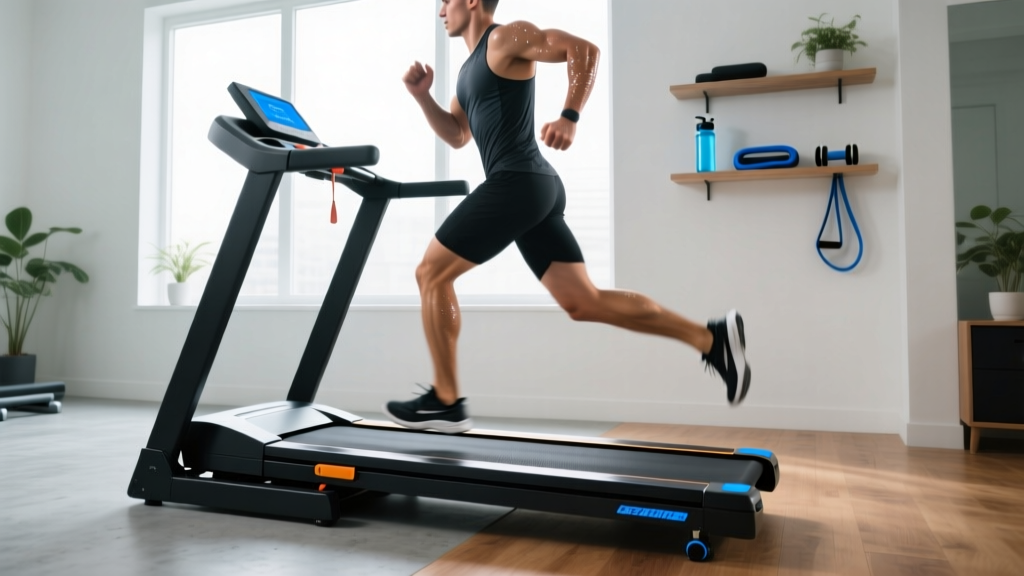
2026 Market Analysis: Executing a Treadmill Sprint Interval Workout on Folding Models
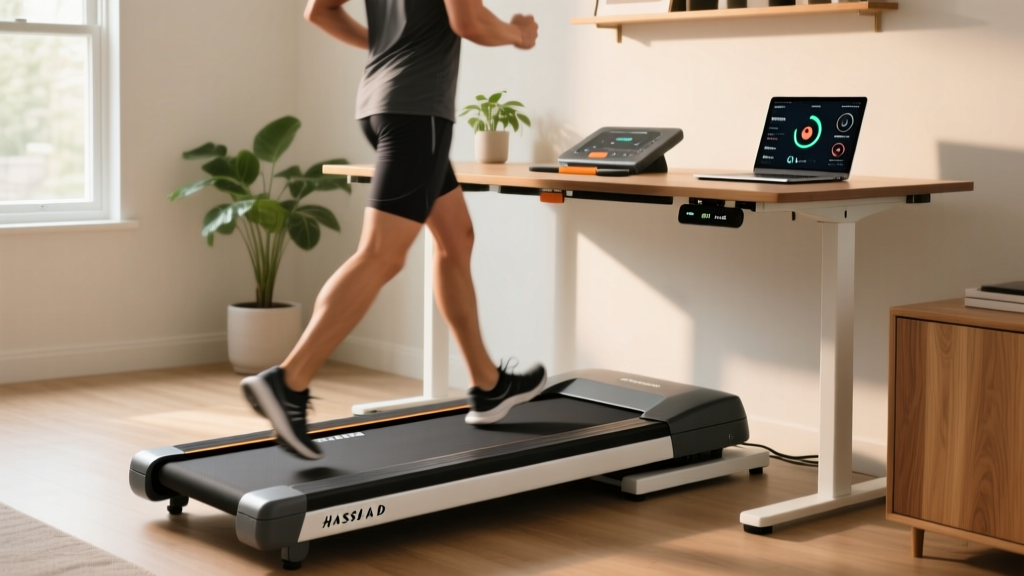
Under Desk Treadmill Review: Preventing a Workspace Treadmill Fail

Matrix T3xi Treadmill vs Elliptical: Home Cardio Maintenance

LifeSpan TR1200i Folding Treadmill Belt Maintenance Guide
