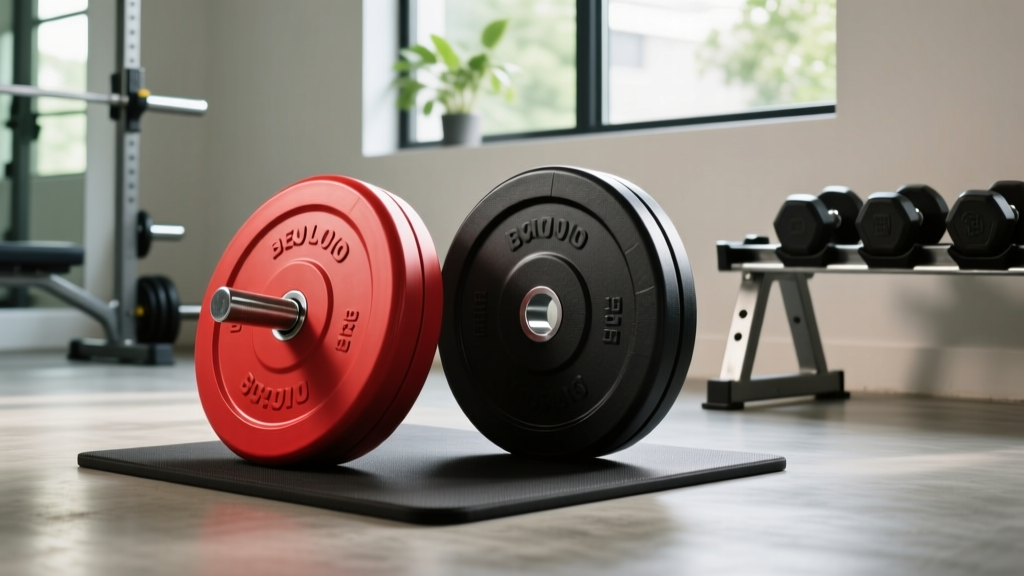
Bumper vs Iron Plates: Choosing an Alternative to Dumbbells That Lasts
Compare bumper vs iron plates as a durable alternative to dumbbells. Learn expert maintenance, rust prevention, and longevity tips for your home gym.

The Heavy Lifting Shift: Beyond Dumbbells
While adjustable dumbbells are a staple for early-stage hypertrophy and isolation work, progressive overload eventually demands a barbell setup. Transitioning to Olympic plates isn't just about lifting heavier; it's about investing in equipment that can outlast you. But when choosing the best long-term alternative to dumbbells, which plate material actually survives the decades?
The Evolution: Why Plates Are the Ultimate Alternative
For many home gym owners, the fitness journey begins with a pair of adjustable dumbbells. They are space-efficient and versatile. However, as your baseline strength increases, the physical footprint and financial cost of heavy dumbbells become prohibitive. A 100-pound pair of hex dumbbells can easily cost over $300 and takes up massive rack space. Conversely, a barbell and plate ecosystem serves as the ultimate, scalable alternative to dumbbells. A standard 45-pound Olympic plate costs a fraction of the price per pound and allows for incremental loading up to 500+ pounds on a single barbell.
But scalability is only half the equation; longevity is the other. When you invest in a barbell setup, you are buying into a system that should theoretically last a lifetime. The debate between bumper plates and cast iron plates is often framed around noise and drop-safety, but from a maintenance and longevity perspective, the two materials age, degrade, and require care in vastly different ways.
Material Degradation: How Bumpers and Iron Fail
To properly maintain your equipment, you must first understand its failure modes. According to facility maintenance guidelines outlined by the National Strength and Conditioning Association (NSCA), understanding the material science of gym equipment is critical for establishing proper cleaning and storage protocols.
Bumper Plate Failure Modes
- Hub Separation: The steel center insert (hub) can tear through the rubber matrix during repeated drops, especially in plates with a low Shore A durometer (under 70A).
- UV Vulcanization Breakdown: Prolonged exposure to direct sunlight causes the rubber polymers to break down, resulting in a chalky, oxidized residue and edge crumbling.
- Edge Chipping: Crumb rubber bumpers (made from recycled tires) are highly porous and prone to chipping at the outer lip if dragged across rough concrete.
Iron Plate Failure Modes
- Ferrous Oxidation (Red Rust): Bare or chipped cast iron reacts with ambient moisture, leading to structural pitting and a rough, flaky surface.
- Zinc Oxidation (White Rust): Machined zinc plates develop a white, powdery crust when exposed to high humidity, which degrades the smooth finish and causes the plates to stick together.
- Enamel Flaking: Baked enamel finishes, while attractive, are brittle. Dropping iron plates on hard surfaces causes micro-fractures in the paint, exposing the raw iron underneath to moisture.
The Longevity & Maintenance Matrix
Before diving into specific care routines, review this comparison matrix to understand the baseline expectations for each plate type in a modern 2026 home gym setup.
| Feature | Virgin Rubber Bumpers | Cast Iron (Enamel/Zinc) | Urethane Plates |
|---|---|---|---|
| Average Cost (per lb) | $2.50 - $3.50 | $1.50 - $2.25 | $4.00 - $6.00 |
| Expected Lifespan | 10 - 15 Years | 50+ Years (if maintained) | Lifetime |
| Primary Enemy | UV Light & Ozone | Ambient Humidity | Sharp Impacts |
| Maintenance Frequency | Bi-Annual Conditioning | Annual Rust Prevention | Wipe-down only |
Bumper Plate Care Protocols
Premium manufacturers like Rogue Fitness and Eleiko engineer their steel hubs and rubber matrices to withstand thousands of drops. However, rubber is an organic polymer that requires specific environmental conditions to remain pliable.
Step-by-Step Bumper Maintenance
- The Deep Clean: Every six months, wipe down your bumpers with a microfiber cloth dampened with a solution of warm water and mild dish soap. Never use bleach, ammonia, or harsh degreasers, as these strip the natural oils from the rubber, accelerating the drying and cracking process.
- Rubber Conditioning: For virgin rubber bumpers, apply a thin layer of a silicone-based rubber protectant (like 303 Aerospace Protectant) once a year. This restores the surface lipids and provides a temporary UV-blocking barrier.
- Hub Inspection: Lay the plate flat and run your thumb over the center steel insert. If the hub is protruding more than 1-2 millimeters above the rubber, the internal bonding is failing. Rotate these plates to the ends of your barbell to minimize direct drop impact.
Cast Iron & Steel Plate Care Protocols
Cast iron is virtually indestructible from an impact standpoint. You can drop an iron plate from a second-story window, and while the enamel might chip, the structural integrity of the iron will remain entirely intact. The sole enemy of iron is oxidation.
Managing Zinc Oxidation (White Rust)
Machined zinc plates are incredibly popular due to their precise calibration and sleek silver finish. However, zinc reacts with moisture to form zinc oxide—a white, chalky powder that ruins the smooth surface and causes plates to grind against one another.
- The Fix: Mix a 50/50 solution of white vinegar and water. Scrub the affected areas with a stiff nylon brush (avoid wire brushes on zinc, as they will strip the plating down to the raw iron). Wipe completely dry with a towel.
- The Shield: Once dry, apply a light coat of Boeshield T-9 or a dedicated automotive paste wax. This creates a hydrophobic barrier that prevents ambient moisture from reaching the zinc.
Managing Enamel and Powder-Coated Iron
Enamel-coated plates are prone to chipping. When a chip occurs, raw iron is exposed.
- Use a fine-grit sandpaper (400-grit) to gently smooth the edges of the chipped paint to prevent further flaking.
- Clean the exposed iron with isopropyl alcohol.
- Apply a rust-inhibiting primer followed by a durable enamel touch-up paint (automotive engine enamel works exceptionally well due to its heat and impact resistance).
Environmental Control: The Invisible Killer
The most meticulous cleaning routine will fail if your gym's environment is hostile to your equipment. Garage gyms, which experience massive temperature fluctuations, are notorious for destroying both iron and rubber.
'The single biggest mistake home gym owners make is treating their garage like a climate-controlled room. When a cold iron plate meets warm, humid summer air, condensation forms instantly. You are essentially watering your weights every single night. If you cannot climate-control the space, you must use desiccant dehumidifiers and store your iron plates off the concrete floor.'
— Facility Management Guidelines, NSCA
To protect your alternative to dumbbells, invest in a heavy-duty steel weight tree or rack. Storing plates directly on a concrete garage floor exposes them to ground moisture and capillary action, which will wick water directly into the center hub of your bumpers or the bottom edges of your iron plates. Keep your gym's relative humidity below 55% to completely halt the oxidation process.
Final Verdict: Which Should You Buy?
If your primary goal is longevity with minimal maintenance, and you have the budget, urethane-coated iron plates are the undisputed champions. They combine the indestructible core of cast iron with a waterproof, UV-resistant outer shell that requires zero oiling or conditioning.
However, if you are doing Olympic lifts (cleans, snatches) or dropping the bar from overhead, virgin rubber bumper plates are mandatory. They will protect your barbell, your platform, and your floor. Just remember to keep them out of the sun and condition the rubber annually.
Conversely, if you are strictly powerlifting, doing slow controlled movements, and want the most cost-effective, lifelong alternative to dumbbells, cast iron plates are the way to go. With a simple annual wire-brushing and a coat of protective oil, a set of cast iron plates bought today will easily be passed down to the next generation of lifters.
More gear to consider
All reviews
EZ Curl Bar vs Straight Bar & Front Loaded Dumbbell Squats

Barbell Collar and Clamp Types Comparison: Moving Past 'Dumbbell Squats Work Which Muscles'

Dumbbell Rack Storage: 2026 Trends & The Dumbbell Hip Thrust Bench

2026 Trends: EZ vs Straight Bar & The 30 Minute Dumbbell Arm Workout

Calf Raises with Dumbbells: Adjustable Set Reviews & Setup Guide
