
Bumper vs Iron Plates: Budget Breakdown to Fund Your Dumbbell Bicep Workout
Compare bumper vs iron plates with a 2026 cost-per-pound breakdown. Save on Olympic plates to fund premium gear for your dumbbell bicep workout.

The 2026 Home Gym Economy: Balancing Compound and Isolation Gear
Building a comprehensive home gym in 2026 requires a ruthless approach to budget allocation. The most common mistake intermediate lifters make is blowing their entire equipment budget on premium Olympic weight plates, leaving insufficient funds for high-quality isolation tools. This imbalance becomes painfully obvious when you try to execute a proper dumbbell bicep workout. If you overspend on barbell plates, you are often forced to rely on cheap, fixed-weight hex dumbbells that limit progressive overload and ruin the biomechanics of supinating curls.
To build a truly functional garage gym, you must understand the true cost-per-pound of your heavy compound equipment. By critically analyzing the bumper plate vs. iron plate debate, you can identify where to save money without sacrificing safety or performance. The capital you save by choosing the right plates can then be directly reallocated toward a premium adjustable dumbbell set, ensuring your isolation and hypertrophy work is never compromised.
Bumper vs. Cast Iron: The Cost-Per-Pound Matrix
Before diving into the metallurgy and rubber durometers, let us look at the raw financial data. The price gap between cast iron and bumper plates has shifted over the last few years due to fluctuating shipping costs and raw material availability. Below is a breakdown of average market rates for standard 45-pound plates in 2026.
| Plate Type | Average Cost Per Pound | Cost for a 260lb Set | Drop Rating | Best Use Case |
|---|---|---|---|---|
| Standard Cast Iron | $1.50 - $1.80 | $390 - $468 | Low (Floor dependent) | Powerlifting, Controlled Lifts |
| Economy Bumper (Recycled) | $2.00 - $2.30 | $520 - $598 | Medium | CrossFit, Garage Gyms |
| Premium Bumper (Virgin) | $3.50 - $4.50 | $910 - $1,170 | High (Dead Bounce) | Olympic Weightlifting |
| Machined Urethane | $5.00 - $7.00 | $1,300 - $1,820 | High | Commercial Facilities |
As the matrix illustrates, outfitting a barbell with premium virgin rubber bumpers can cost more than double the price of standard cast iron. That $500 to $700 difference is exactly the budget required to purchase a top-tier adjustable dumbbell system.
Cast Iron Plates: Maximizing Value for Heavy Compounds
If your primary training modalities are powerlifting, traditional bodybuilding, or controlled strength work, cast iron remains the undisputed king of value. According to extensive durability testing by Garage Gym Reviews, modern cast iron plates from reputable brands like REP Fitness and Rogue offer exceptional longevity when maintained properly.
Real-World Pricing and Tolerances
In 2026, the REP Fitness Black Oxide Iron Plates hover around $1.65 per pound. They feature a machined steel center hub and are coated in a black oxide finish that resists corrosion better than traditional painted plates. The weight tolerance is typically ±2%, meaning a 45-pound plate will weigh between 44.1 and 45.9 pounds. For 95% of lifters, this variance is entirely negligible.
⚠️ Warning: The Hidden Cost of IronCast iron plates are brittle. If you drop a loaded barbell from shoulder height onto unprotected concrete, the plates can crack, and the concrete will spall. To use iron plates safely, you must factor in the cost of 3/4-inch vulcanized rubber horse stall mats (approximately $50-$70 per mat) to absorb the shock. Even with mats, dropping iron plates repeatedly will eventually lead to hub failure.
Bumper Plates: When the Premium is Non-Negotiable
Bumper plates are constructed from high-density rubber designed to be dropped from overhead heights. They are essential for Olympic weightlifting (snatches, clean and jerks) and high-rep CrossFit-style metcons where dropping the bar is a mandatory part of the workout protocol.
Understanding Durometer and Insert Failure
Not all bumpers are created equal. The quality of a bumper plate is largely determined by its durometer (hardness) rating, measured on the Shore A scale. According to Rogue Fitness specifications, premium competition bumpers feature a dead-bounce durometer rating that prevents the bar from violently rebounding off the floor, protecting the lifter's shins and lower back.
The most common failure mode in budget bumper plates is not the rubber tearing, but the steel center insert pulling out of the rubber matrix. This occurs when the brass or steel bushing is poorly vulcanized into the rubber. When shopping for economy bumpers, look for plates that feature a hooked or flanged steel insert design, which mechanically locks the metal into the rubber, drastically reducing the risk of insert pull-out during heavy drops.
Reallocating Savings: The Dumbbell Bicep Workout Fund
Here is where the budget strategy comes full circle. Hypertrophy training requires precise isolation, progressive overload, and a full range of motion. A targeted dumbbell bicep workout relies heavily on movements like incline dumbbell curls, hammer curls, and supinating concentration curls. Fixed-weight hex dumbbells force you to buy multiple pairs to achieve progressive overload, which is both space-prohibitive and expensive.
By choosing cast iron plates for your barbell (saving roughly $400 compared to premium bumpers), you unlock the budget to invest in a high-end adjustable dumbbell set. Here is how the top 2026 models compare for isolation work:
- Nuobell 80 (Approx. $379/pair): Utilizes a dial-adjustment mechanism that maintains the exact profile of a traditional dumbbell. This is critical for bicep workouts, as the slim handle and unobtrusive weight blocks allow for natural wrist supination and prevent the weights from clashing against your thighs during standing curls.
- PowerBlock Elite USA (Approx. $259/pair): Features a blocky, cage-like design. While incredibly durable and cost-effective, the wide profile can interfere with certain grip widths and make supinating movements feel slightly awkward compared to traditional dumbbells.
- Bowflex SelectTech 1090i (Approx. $499/pair): Offers a massive weight range (10-90 lbs) but is physically very long. The extended length can limit the range of motion on exercises like hammer curls or preacher curls.
For a dedicated dumbbell bicep workout, the Nuobell 80 is the superior choice. The money you save by bypassing virgin rubber bumper plates pays for the Nuobells entirely, giving you a commercial-quality isolation setup at home.
Step-by-Step Budget Allocation Framework
To optimize your 2026 home gym build, follow this sequential purchasing framework to ensure your compound and isolation needs are met without exceeding a standard $1,500 equipment budget.
- Secure the Foundation ($60): Purchase two 3/4-inch rubber horse stall mats to protect your flooring. This is mandatory if you opt for cast iron plates.
- Buy Cast Iron Plates ($400): Source a 260lb set of machined cast iron plates (e.g., REP Black Oxide or Titan Fitness). This covers all heavy compound lifting needs.
- Invest in Adjustable Dumbbells ($380): Purchase the Nuobell 80lb set. This single purchase replaces an entire rack of fixed dumbbells and perfectly facilitates your dumbbell bicep workout and shoulder isolation routines.
- Allocate for the Barbell ($250): With the remaining budget, invest in a high-quality Olympic barbell with good whip and knurling, such as the Rogue Ohio Bar or REP Excalibur.
Final Verdict: Where Should Your Money Go?
The debate between bumper plates and iron plates is not about which is objectively better; it is about which is better for your specific training style. If you are an Olympic weightlifter who drops the bar from overhead daily, premium bumpers are a mandatory safety investment, and you will need to find budget cuts elsewhere.
However, for the vast majority of home gym owners focused on general strength, powerlifting, and bodybuilding, cast iron plates offer unmatched financial efficiency. By recognizing that you do not need $4.00-per-pound virgin rubber to build muscle, you can redirect those funds toward high-quality adjustable dumbbells. This strategic reallocation ensures that your heavy squats and deadlifts are fully loaded, while your dumbbell bicep workout benefits from the precise, adjustable resistance required for maximum hypertrophy.
For further reading on facility equipment standards and safety protocols regarding weight dropping and flooring, consult the guidelines provided by the National Strength and Conditioning Association (NSCA). Smart budgeting is the cornerstone of a sustainable, lifelong home gym.
More gear to consider
All reviews
EZ Bar vs Straight Bar: 2026 Trends & Dumbbell Thrust Data

Cast Iron vs Competition Kettlebells & Dumbbell Shoulder Press Bench
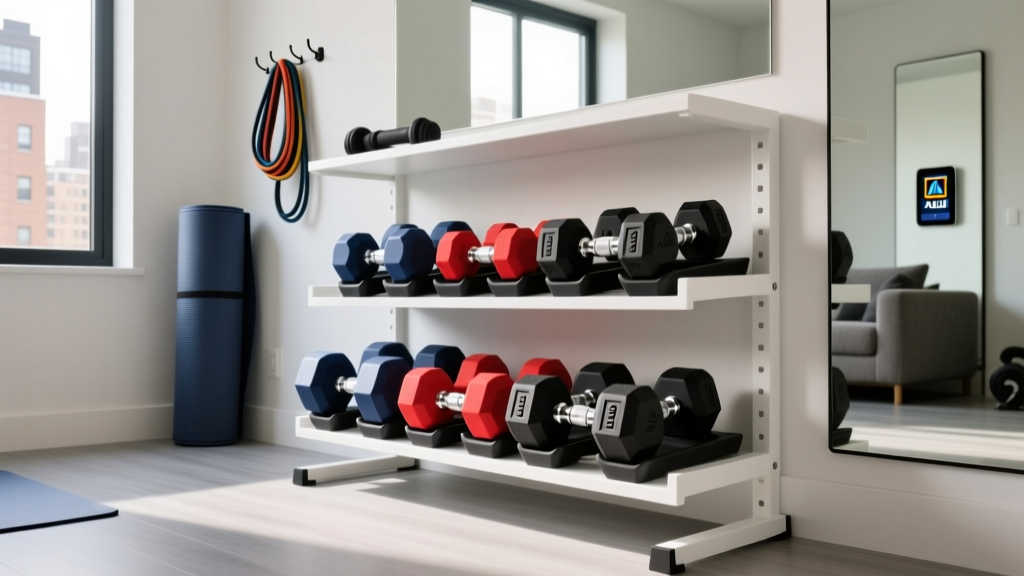
Aldi Dumbbell Set Storage: 2026 Market Trends for Budget Weight Racks
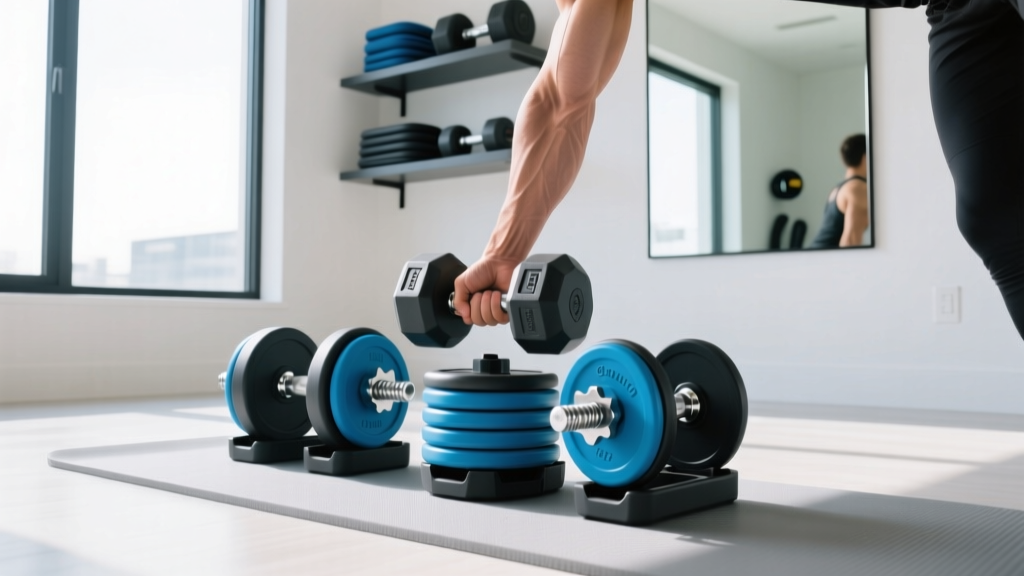
Space-Saving Loadable Dumbbells for One Arm Dumbbell Chest Press

Space Optimization: Storing the Titan Circus Dumbbell & Standard Sets
