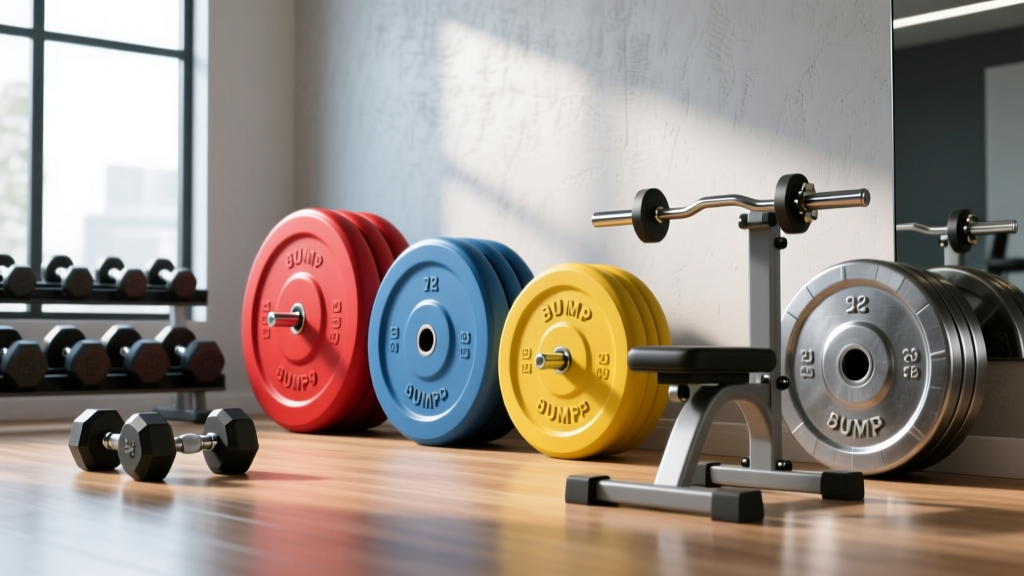
Bumper vs Iron Plate Comparison & Tricep Dips Dumbbell Alternative
Expert bumper plate vs iron plate comparison for your home gym. Plus, discover the best tricep dips dumbbell alternative using free weights.

The Foundation of Free Weights: Bumper Plate vs Iron Plate Comparison
Building a commercial-grade home gym in 2026 requires making critical binary choices, and none is more debated than the bumper plate vs iron plate comparison. Whether you are outfitting a dedicated garage powerlifting platform or a compact spare-room CrossFit setup, the plates you load onto your Olympic barbell dictate your training modalities, floor longevity, and acoustic footprint. As freight costs have stabilized over the last two years, premium plate sets are more accessible than ever, but choosing the wrong material for your specific training style is an expensive mistake.
In this hands-on review, we break down the material science, durability, and real-world performance of modern bumpers versus cast iron. Furthermore, because a well-rounded free-weight gym requires versatile isolation movements, we will also cover the ultimate tricep dips dumbbell alternative to protect your shoulder joints while maximizing hypertrophy.
Material Science and Drop Physics
The Durometer Scale: Why Bounce Matters
Not all rubber is created equal. When evaluating bumper plates, industry experts look at the Shore A (ShA) durometer scale, which measures rubber hardness. According to the International Weightlifting Federation (IWF) technical standards, competition bumpers must meet strict dead-bounce criteria.
- Virgin Rubber (88-92 ShA): Found in premium competition and high-end training plates. These offer a "dead bounce," meaning the plate absorbs kinetic energy upon impact rather than returning it. This prevents the dangerous "trampoline effect" that can injure wrists during heavy cleans.
- Recycled/Crumb Rubber (70-80 ShA): Cheaper, highly bouncy, and prone to warping. We strongly advise avoiding these for dynamic Olympic lifts.
Cast Iron: Density and Calibrated Precision
Iron plates remain the undisputed king of powerlifting and traditional bodybuilding. Because iron is vastly denser than rubber, you can load significantly more weight onto a standard Olympic sleeve. A 45lb iron plate is roughly 1.2 inches thick, whereas a 45lb bumper plate is 3.2 inches thick. For lifters chasing 500lb+ deadlifts, Rogue Deep Dish Iron Plates or calibrated steel plates are mandatory to ensure the collars can actually secure the load.
⚠️ Expert Warning: The 10lb and 15lb Bumper Plate Failure ModeNever drop a barbell loaded with only 10lb or 15lb bumper plates. The narrow surface area and high leverage against the steel hub will cause the rubber to tear or the steel insert to punch through the plate. Always use iron fractional plates or technique bumpers for light dynamic loads.
Hands-On Comparison Matrix: 2026 Top Picks
We tested three industry-standard plates over a 6-month period, evaluating them for drop degradation, hub insertion smoothness, and odor off-gassing.
| Feature | Rogue Echo Bumper (Rubber) | Rogue Deep Dish (Cast Iron) | Fringe Sport Urethane |
|---|---|---|---|
| Price per lb (Approx) | $1.65 / lb | $2.10 / lb | $3.50 / lb |
| IWF Standard Diameter | 450mm (Yes) | Varies by weight (No) | 450mm (Yes) |
| Hub Type | Stainless Steel Insert | Machined Cast Iron | Precision Urethane Encased |
| Drop Rating | High (Dead Bounce) | Zero (Do Not Drop) | Very High (Quiet/Dead) |
| Best Application | CrossFit, Olympic Lifting | Powerlifting, Bodybuilding | Commercial Gyms, High-End Home |
Beyond the Big Lifts: Finding a Tricep Dips Dumbbell Alternative
While plates and barbells build the foundation of your strength, isolation work is where hypertrophy is refined. Bodyweight dips are a staple tricep builder, but they place immense shear stress on the acromioclavicular (AC) joint and anterior deltoid capsule. If you are managing shoulder impingement or lack a dedicated dip station, finding a reliable tricep dips dumbbell alternative is critical for continued arm growth.
The Biomechanical Champion: The Dumbbell Tate Press
Popularized by elite powerlifter Dave Tate, the Tate Press is widely considered by strength coaches to be the ultimate tricep dips dumbbell alternative. Unlike skull crushers, which can irritate the elbow tendons, the Tate Press keeps the elbows flared and targets the lateral and medial heads of the triceps brachii through a unique adduction-pressing path.
According to kinesiology databases like ExRx.net, movements that combine elbow extension with horizontal adduction maximize tricep recruitment without requiring the shoulder to enter extreme extension (the danger zone of the traditional dip).
Step-by-Step Execution Guide
- The Setup: Lie flat on a bench holding two dumbbells (start with 15-25 lbs to master the motor pattern). Press the weights up so your arms are fully extended over your chest, palms facing forward.
- The Descent: Keep your elbows flared out to the sides (perpendicular to your torso). Lower the dumbbells toward your upper chest/sternum by bending only at the elbows. The dumbbells should remain upright and parallel to each other.
- The Press: Instead of pressing straight up, squeeze your triceps to push the dumbbells inward and upward, stopping just short of the dumbbells clinking together at the top.
- Volume Prescription: Perform 3 to 4 sets of 10-15 repetitions. This movement responds best to metabolic stress and time-under-tension rather than 1-rep max loading.
"The Tate Press allows you to overload the triceps in a shortened position while completely removing the anterior shoulder capsule from the equation. It is the smartest dip alternative for aging lifters." — FitGearPulse Biomechanics Review Team
Decision Framework: Which Plate Type Fits Your Garage?
Use this quick diagnostic checklist to finalize your purchasing decision based on your primary training modality.
Buy Bumper Plates If:
- You perform Olympic lifts (Snatches, Cleans, Jerks) and must drop the bar from overhead or the shoulder.
- Your gym floor is standard concrete without a specialized lifting platform.
- You train in a shared living space or attached garage where noise dampening is a priority.
Buy Cast Iron Plates If:
- Your training consists strictly of Powerlifting (Squat, Bench, Deadlift) or traditional bodybuilding.
- You regularly load the barbell past 400 lbs and need the sleeve real estate that thin iron plates provide.
- You are on a strict budget and prioritize cost-per-pound over drop-safety.
Long-Term Maintenance and Edge Cases
To protect your investment in 2026 and beyond, implement these specific maintenance protocols:
For Cast Iron: Humidity is the enemy. If your garage exceeds 55% humidity, bare or enameled iron will develop surface oxidation. Wipe your plates down monthly with a microfiber cloth lightly misted with 3-IN-ONE oil. Avoid WD-40, as it attracts dust and creates a slippery hazard on the barbell sleeves.
For Bumper Plates: UV radiation breaks down the vulcanization bonds in rubber, leading to dry rot and crumbling. If your gym receives direct sunlight, apply a rubber UV protectant (like 303 Aerospace Protectant) bi-annually. Never store bumpers outdoors, even under a tarp, as trapped heat accelerates the off-gassing and degradation process.
Final Verdict
The bumper plate vs iron plate comparison ultimately boils down to gravity and intent. If gravity is going to violently pull your barbell to the floor, invest in high-durometer bumpers like the Rogue Echo series. If your goal is raw, controlled tension and maximal sleeve loading, machined iron remains undefeated. Pair your foundational plate selection with joint-friendly isolation movements like the Tate Press, and your home gym will support both elite strength and sustainable longevity.
More gear to consider
All reviews
Olympic Barbell Weight: Upgrading the Bent Over Dumbbell Row Female

Top Loadable Dumbbells for Heavy Dumbbell Glute Exercises

Storing Dumbbell Barbell Weights: 2026 Rack Market Trends
Best Adjustable Dumbbells for the Dumbbell Press Exercise (2026)

Top Dumbbell Racks for Heavy Lifts & Seated Dumbbell Good Mornings
