
Bumper vs Iron Plate Care & Chest Supported Dumbbell Lateral Raises
Compare bumper vs iron plate longevity and maintenance. Plus, learn how to care for dumbbells used in chest supported dumbbell lateral raises.

The Bumper Plate vs Iron Plate Comparison: Longevity and Wear
When outfitting a home or commercial gym in 2026, selecting the right weight plates is only half the battle; understanding their long-term maintenance and failure modes is what separates a smart investment from a depreciating liability. The debate between bumper plates and cast iron plates extends far beyond aesthetics and noise reduction. It fundamentally comes down to material science, environmental resilience, and how you maintain the gear over a 5-to-10-year lifespan. Whether you are dropping heavy deadlifts or carefully racking weights after isolation work, your maintenance routine dictates your equipment's longevity.
Virgin Rubber Bumpers: UV Degradation and Insert Pop-Outs
Virgin rubber bumper plates, such as the highly regarded Rogue Fitness Black Bumpers (priced around $2.50 per pound in 2026), offer excellent bounce reduction and floor protection. However, rubber is highly susceptible to photo-oxidation. If your gym is in a garage with direct sunlight, UV rays will break down the polymer chains, causing the plates to chalk, turn gray, and eventually become brittle. Furthermore, the most common mechanical failure in bumper plates is 'insert pop-out' or 'hooking.' This occurs when the brass or steel center ring separates from the rubber matrix. This shear failure is almost always caused by dropping a barbell loaded with only light bumpers (e.g., two 10 lb or 15 lb plates). The extreme whip of the barbell transfers violent lateral forces directly to the insert, tearing it from the rubber. To maximize longevity, never drop a bar loaded with less than 45 lbs of bumpers per side, and clean them quarterly with a mild dish soap solution to remove corrosive sweat and chalk buildup.
Cast Iron and Machined Steel: Oxidation and Edge Chipping
Iron plates remain the gold standard for durability and cost-efficiency, often coming in at $1.20 to $1.50 per pound for quality cast iron models like those from Rep Fitness. However, iron's greatest enemy is ambient humidity. Standard enamel-coated cast iron plates are prone to edge chipping when slammed together or dropped on bare concrete. Once the enamel chips, the porous cast iron is exposed to oxygen and moisture, leading to rapid surface oxidation (rust). Machined steel plates offer tighter weight tolerances (accurate to within 1%) but bare steel requires constant vigilance. According to BarBend's comprehensive guide on cleaning bumper plates and iron gear, wiping down bare steel or chipped iron with a light coat of 3-in-One oil or a specialized rust inhibitor every month is non-negotiable in humid climates. If you live in an area with high humidity, investing in a commercial dehumidifier to keep your gym space below 50% relative humidity will double the lifespan of your iron plates.
Quick Comparison Matrix: Bumper vs. Iron Longevity
| Feature | Virgin Rubber Bumpers | Cast Iron / Machined Steel |
|---|---|---|
| Average Cost per lb (2026) | $2.20 - $2.80 | $1.20 - $1.60 |
| Primary Failure Mode | Insert separation, UV dry-rot | Edge chipping, surface rust |
| Maintenance Frequency | Quarterly washing, UV protection | Monthly oiling, wire brushing |
| Expected Lifespan | 5 - 8 Years | 15+ Years (with rust care) |
Dumbbell Care and the Chest Supported Dumbbell Lateral Raises Connection
While heavy barbell lifts dictate your plate choices, isolation movements demand precise dumbbell care. Take the chest supported dumbbell lateral raises, for example. This staple medial deltoid exercise requires an adjustable bench set to 30-45 degrees and moderate-weight dumbbells (typically 15 to 35 lbs). Because you are performing strict isolation work to failure, the way you handle, rack, and maintain these specific dumbbells directly impacts their lifespan.
When executing chest supported dumbbell lateral raises, lifters often grab their dumbbells from the floor, brace them against their thighs, and kick them back into position. At the end of a grueling set to failure, the natural instinct is to simply drop the dumbbells onto the floor or the nearest rack. If you are using adjustable dumbbells (like the popular Nuobell or Bowflex 552 models), this dropping motion is catastrophic. The internal plastic gears, dial mechanisms, and locking pins are not designed for impact shock. Dropping adjustable dumbbells will shatter the internal housing, rendering the weight selection useless and voiding the warranty.
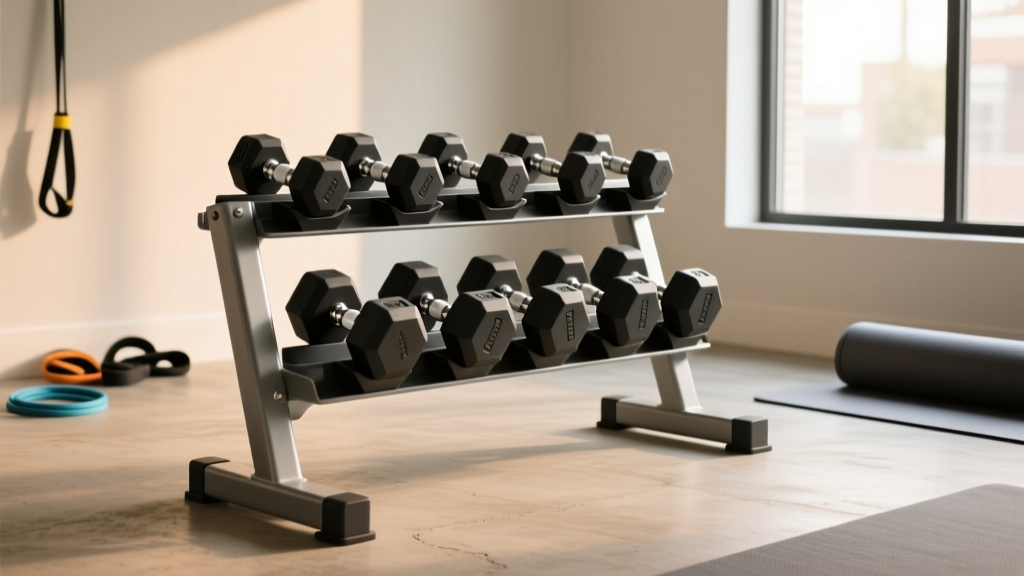
Even if you are using fixed rubber hex dumbbells, the constant torque of picking them up from the floor and placing them on the bench edges can loosen the handle-to-head weld over a 3-to-5-year lifespan. Furthermore, the knurling on the dumbbell handles accumulates dead skin, chalk, and sweat salts, which act as an abrasive paste that accelerates steel oxidation. To maintain your dumbbells for strict isolation work, always place them gently on a dedicated rack or rubber mat after your set. Clean the knurling weekly with a stiff nylon brush and apply a light coat of white lithium grease or 3-in-One oil to bare steel handles to prevent sweat-induced corrosion.
Warning: Never drop adjustable dumbbells after a set of chest supported lateral raises. The internal mechanism will misalign or shatter. Always lower them under control to the floor or a padded bench.Environmental Controls for Maximum Equipment Lifespan
According to Garage Gym Reviews equipment maintenance protocols, the ambient environment of your gym space is the single largest variable in equipment degradation. Garage gyms are notorious for extreme temperature fluctuations and high humidity, which cause condensation to form on cold iron plates and steel dumbbell handles overnight. This micro-condensation leads to 'flash rust,' a rapid form of oxidation that can ruin bare steel knurling in a matter of days.
To combat this, invest in a high-capacity commercial dehumidifier capable of removing at least 50 pints of moisture per day. Keep your gym's relative humidity consistently between 40% and 50%. Additionally, the flooring you choose plays a role in plate longevity. Dropping iron plates directly onto concrete will chip the enamel and crack the cast iron. Even with bumpers, dropping them on bare concrete accelerates the wear on the rubber exterior. Always utilize 3/4-inch thick vulcanized horse stall mats or a dedicated wooden lifting platform to absorb kinetic energy and protect both your floor and your free weights.
Step-by-Step Monthly Maintenance Routine
To ensure your free weights survive the next decade of heavy use, implement this strict monthly maintenance checklist:
- Inspect Bumper Inserts: Run your thumb around the steel or brass center ring of every bumper plate. If you feel any lifting or separation, retire the plate from dropping rotations immediately to prevent total failure.
- Wire Brush Iron Plates: For any cast iron plates showing surface rust, use a brass wire brush attachment on a power drill to strip the oxidation. Wipe away the dust with a microfiber cloth.
- Oil Bare Steel: Apply a few drops of 3-in-One oil to a rag and wipe down all bare steel dumbbell handles and barbell shafts. Let it sit for 10 minutes, then buff off the excess to prevent a slippery grip during exercises like chest supported dumbbell lateral raises.
- Wash Rubber and Urethane: Mix warm water with a few drops of Dawn dish soap. Use a soft sponge to wipe down all rubber bumpers and urethane-coated dumbbells. This removes acidic sweat and gym chalk that dries out the polymers.
- Check Hardware: Use a hex key or socket wrench to check the tightness of any bolted dumbbell heads or plate storage rack hardware. Vibrations from daily use will slowly back out bolts over time.
Proper equipment maintenance is not just about aesthetics; it is about preserving the precise tolerances and structural integrity required for safe, effective training. Whether you are loading up a barbell for heavy squats or grabbing a pair of 25s for chest supported dumbbell lateral raises, treating your gear with respect ensures it will be there for your next personal record.
More gear to consider
All reviews
Kettlebells vs Dumbbell Exercises for Flabby Arms: Cast Iron Guide

Budget Storage Racks for Single Dumbbell Workouts: 2026 Value Guide
Are Dumbbell Flys Good? Budget Dumbbell Racks & Storage Analysis

Olympic Barbell Buying Guide: Weight, Knurling & Gold's Gym Gold Dumbbells Setup

Cast Iron vs Competition Kettlebell Care & Two Dumbbell Back Workout
