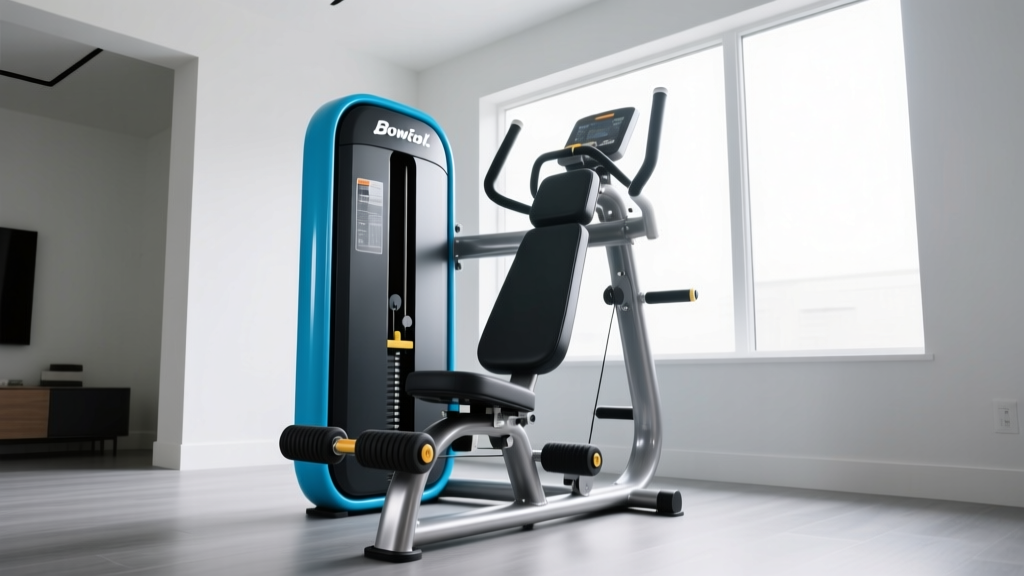
Optimizing Space & Servicing Your Bowflex Home Gym Machine
Discover how to layout your Bowflex home gym machine for optimal space and easy servicing. Compare warranties and clearance needs for modern setups.

The Spatial Reality of Bowflex Home Gym Machine Maintenance
When designing a compact home gym, most buyers obsess over the manufacturer's stated footprint. However, as of 2026, with urban living spaces shrinking and multi-use rooms becoming the standard, the 'spec sheet footprint' is only half the story. If you are investing in a bowflex home gym machine, you must design your layout not just for user safety, but for long-term serviceability and warranty compliance. Failing to account for maintenance clearance can turn a simple cable replacement into a logistical nightmare, potentially voiding your warranty if unauthorized dismantling occurs.
Unlike traditional plate-loaded equipment, Bowflex systems rely on proprietary Power Rods or enclosed weight stacks with complex internal cable routing. According to fitness equipment maintenance guidelines outlined by the International Sports Sciences Association (ISSA), enclosed cable systems require specific access angles for technicians to inspect pulleys and tensioners. If your machine is wedged into a corner to save square footage, you are actively obstructing the service pathways required to honor your warranty.
Quick Clearance Checklist for Technicians
- Rear Access: Minimum 36 inches for lat tower cable routing and weight stack pin alignment.
- Lateral Access: Minimum 24 inches on both sides for Power Rod replacement and tension calibration.
- Overhead Access: Minimum 12 inches above the highest pulley to prevent ceiling drywall damage during rod flex.
Bowflex Warranty Breakdown: What It Means for Your Floor Plan
Bowflex offers varying warranty tiers depending on the model, and understanding these terms is critical for spatial planning. The Federal Trade Commission (FTC) notes that consumers must adhere to manufacturer maintenance guidelines to keep warranties valid. For Bowflex, this means ensuring their certified technicians have adequate physical space to perform diagnostics without moving the machine, which can misalign the base frame on uneven floors.
| Model | Frame / Rods Warranty | Parts & Labor | Required Service Footprint |
|---|---|---|---|
| Bowflex Xtreme 2SE | Lifetime (Frame/Rods) | 1 Year Parts / 60 Days Labor | 4'10" x 4'6" + 24" lateral clearance |
| Bowflex PR3000 | Lifetime (Frame) | 1 Year Parts / 60 Days Labor | 4'0" x 3'10" + 36" rear clearance |
| Bowflex HVT | Lifetime (Frame) | 2 Years Parts / 1 Year Labor | 58" x 50" + 24" all-around access |
As highlighted in the comprehensive Garage Gym Reviews PR3000 analysis, the PR3000 is marketed as a space-saver, but its rear-mounted cable system demands significant wall clearance. If you place the PR3000 flush against a wall, a technician cannot access the lower pulley housing to replace a frayed cable, meaning you will either have to dismantle the rig yourself (risking frame damage) or pay out-of-pocket for the extra labor hours required to move it.
Power Rods vs. Weight Stacks: Spatial Service Differences
The fundamental difference in servicing a Bowflex Power Rod system versus a traditional weight stack (like those found on Body-Solid or Marcy machines) dictates entirely different room layouts. Power Rods flex outward during heavy resistance exercises and require lateral clearance not just for the user's safety, but for the physical removal and insertion of replacement rods. A technician needs a clear 24-inch pathway on the left and right to slide a 40-inch rod out of the housing bracket. Conversely, weight stack machines require overhead and rear clearance to drop the guide rods and re-thread the internal cables.
Comparing Service Networks: Bowflex vs. Traditional Weight Stack Brands
When optimizing your layout, you must also consider the service network of the brand. Bowflex utilizes a proprietary parts network, meaning third-party repair technicians often cannot service them without OEM components. This makes adhering to their specific spatial requirements for authorized in-home service non-negotiable.
'A common failure mode in compact home gyms is cable fraying at the lat tower pulley. If the machine is placed less than 18 inches from a wall, moisture traps against the drywall, accelerating cable corrosion, and preventing the use of standard cable-pulling tools during warranty repairs.'
Compare this to a brand like Body-Solid, which offers a true Lifetime In-Home Warranty on parts and labor for the first year. Their weight stack machines, such as the G1B, are designed with removable rear shrouds. While they still need rear clearance, the service footprint is generally more forgiving because the parts are standardized and easily accessed via simple hex-key panel removals.
Designing a Service-Optimized Layout for Compact Rooms
To maximize your square footage while protecting your warranty investment, follow this step-by-step layout protocol before bolting your machine to the floor or laying down heavy rubber matting.
- Map the 'Ghost Footprint': Use painter's tape to outline the machine's base on your floor. Then, add a secondary tape outline representing the required service clearance (e.g., 24 inches on the sides, 36 inches in the rear).
- Test the Flex Zone: For Power Rod models, stand in the lateral clearance zone and simulate the outward bow of the rods. Ensure no shelving, mirrors, or HVAC vents are within this flex zone.
- Plan the Tool Pathway: Technicians carry heavy toolboxes and replacement parts that can be up to 4 feet long. Ensure there is a straight, unobstructed pathway from the room's entrance to the service side of the machine.
- Anchor with Accessibility in Mind: If you must bolt the machine down for stability or earthquake safety, use heavy-duty lag screws that can be removed with a standard impact driver, rather than permanent concrete anchors, allowing the machine to be shifted slightly for rear-panel access if absolutely necessary.
The 'Hidden' Space Cost of Out-of-Warranty Repairs
If your layout prevents authorized warranty service, you may be forced to hire a local handyman or fitness repair specialist. These out-of-network repairs often cost between $150 and $250 per hour in 2026, plus the markup on sourcing OEM Bowflex parts. Furthermore, unauthorized dismantling of the tension housing immediately voids the lifetime frame and rod warranty. The 36 inches of 'wasted' space you saved by pushing the machine into a corner could ultimately cost you hundreds of dollars in avoidable service fees.
Frequently Asked Questions (FAQ)
Can I put my Bowflex home gym machine on a carpeted floor?
Yes, but you must use a high-density equipment mat. Carpet fibers can trap moisture and cause the base frame to rust, which is not covered under the Bowflex warranty. Furthermore, a mat provides a stable, level surface that prevents the machine from shifting, which can cause internal cables to derail from their pulleys during use.
How often should I inspect the cables on my Bowflex machine?
For residential use, visually inspect all cables and pulleys every 90 days. Look for fraying, especially near the connection points and where the cable wraps around the smallest pulleys. If you notice any broken strands, cease use immediately and contact Bowflex support to initiate a warranty claim.
Does the Bowflex HVT require ceiling clearance?
The HVT stands at 84 inches tall. If you have standard 8-foot (96-inch) ceilings, you have exactly 12 inches of clearance. This is sufficient for user safety but leaves minimal room for a technician to access the top pulley housing. Ensure your ceiling fixtures (fans, lights) are not directly above the machine's footprint.
More gear to consider
All reviews
Marcy 150 Pound Stack Home Gym vs Functional Trainer Setup

How To Start Homegym Machines: A Practical, Space-Smart Guide for Beginners

Beyond Longevity: Practical, Evidence-Based Alternatives for Home Gym Design and Wellness Integration

GMWD Cable Machine Home Gym: Assembly Tips & Value Analysis
How To Start a Home Gym: A Practical, Data-Driven Comparison Guide
