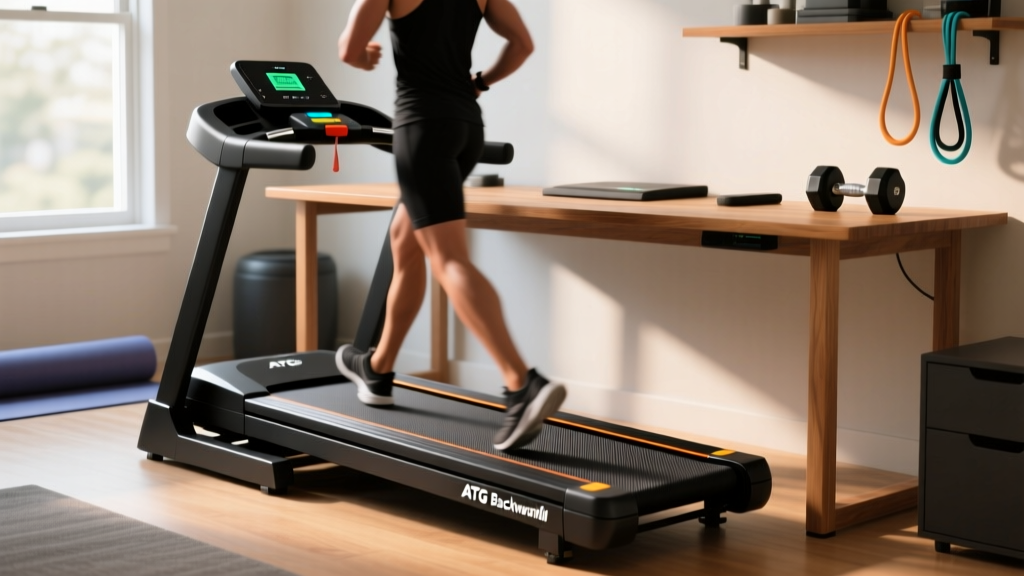
Bike Types Maintenance: Why Avoid Treadmill 100 Silicone Lubricant?
Explore upright, recumbent, and spin bike maintenance. Learn drivetrain care, belt tensioning, and why treadmill 100 silicone lubricant ruins bike parts.

The Great Lubricant Mix-Up: Why Treadmill 100 Silicone Lubricant Ruins Bikes
Walk into any home gym, and you will likely find a bottle of treadmill 100 silicone lubricant sitting on the equipment mat. Because it is labeled as a 'fitness equipment lubricant,' a common and destructive myth has emerged: that this same silicone can be used to silence a squeaky spin bike chain or lubricate a recumbent bike's seat rail. This is a catastrophic maintenance error that will prematurely destroy your stationary bike's drivetrain.
⚠️ CRITICAL MAINTENANCE WARNING: Treadmill 100 silicone lubricant is pure polydimethylsiloxane (PDMS). It is engineered specifically to reduce friction between a PVC/rubber belt and a phenolic wood deck. It contains zero extreme-pressure (EP) additives, zero tackifiers, and zero anti-wear agents. Applying it to a metal bicycle chain or sealed bearing results in immediate film rupture under high PSI, turning your drivetrain into a dust-magnet that grinds away steel components.To maximize the longevity of your cardio fleet, you must treat stationary bike types—upright, recumbent, and spin—with the specific tribological profiles they demand. Below, we break down the exact maintenance protocols for each bike category, ensuring your equipment survives thousands of hours of high-torque output.
Stationary Bike Types: Unique Maintenance Profiles
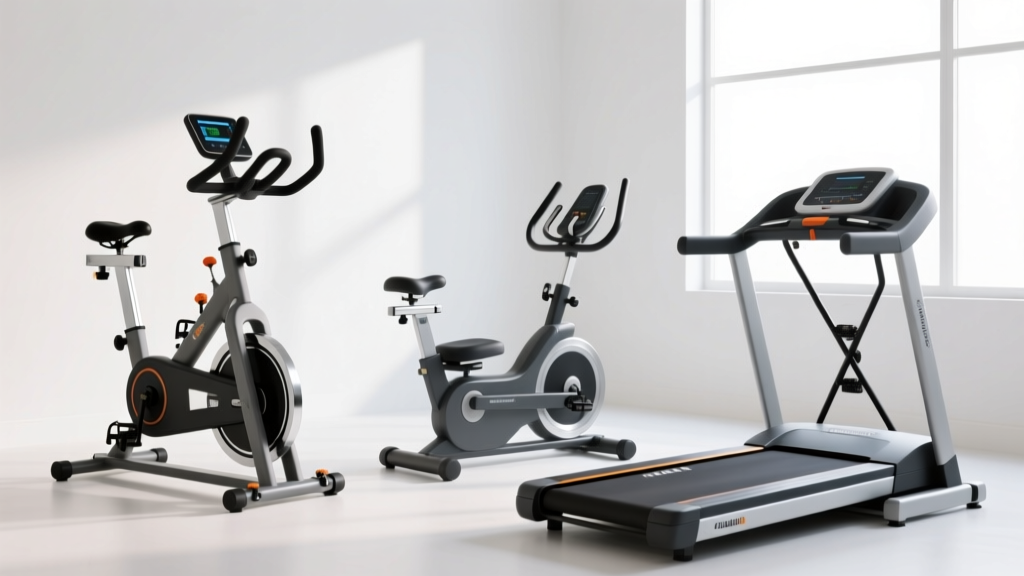
Not all stationary bikes are built the same. The drive system, resistance mechanism, and user weight distribution dictate entirely different care schedules.
1. Spin Bikes (Chain vs. Belt Drive)
Spin bikes, designed to mimic the geometry and high-cadence output of outdoor road bikes, generally fall into two camps: chain-driven (e.g., Schwinn IC4, older Peloton models) and belt-driven (e.g., Keiser M3i, NordicTrack S22i).
- Chain-Drive Spin Bikes: These utilize standard 1/8-inch or 3/32-inch roller chains. They require regular degreasing and the application of a PTFE (Teflon) or wax-based bicycle chain lube. According to Park Tool's definitive drivetrain guide, chains must be cleaned before re-lubrication to prevent abrasive paste buildup.
- Belt-Drive Spin Bikes: These use polyurethane or Kevlar-reinforced belts (like Gates Carbon Drive). They require zero lubrication. Applying any liquid, including silicone, will degrade the belt's tensile cords and attract debris that shreds the belt teeth.
2. Upright Bikes (Poly-V Belts and Magnetic Resistance)
Upright bikes like the NordicTrack EXP 7i or Sole B94 typically use a Poly-V (serpentine) belt connected to an eddy-current magnetic resistance flywheel. The primary maintenance concern here is belt tension and alignment, not lubrication. Over time, the belt stretches. If the belt slips during a heavy sprint, the friction generates heat that glazes the belt ribs. Maintenance involves checking the tensioner pulley and adjusting the motorized resistance bracket to maintain exactly 1/2 inch of deflection when pressed with 10 lbs of force.
3. Recumbent Bikes (Seat Rails, Pulleys, and High-Torque Stress)
Recumbent bikes (e.g., Sole R92, Schwinn 270) place unique stress on the machine. The user's entire body weight is supported by a sliding seat carriage, and the pedal stroke often generates massive low-RPM torque.
'The most common failure point on a commercial recumbent bike isn't the flywheel; it's the seat rail pulley system. When users apply wet grease or silicone spray to the seat rails, dust binds to the lubricant, creating a lapping compound that permanently scores the aluminum extrusion.' — Commercial Fitness Equipment Repair Technician
Instead of wet lubricants, recumbent seat rails and carriage wheels should be cleaned with isopropyl alcohol and treated with a dry PTFE spray (like Finish Line Dry Teflon), which evaporates its carrier solvent and leaves a slick, non-stick microscopic film.
Drivetrain & Resistance Care: A Data-Driven Maintenance Matrix
Use this matrix to establish your quarterly maintenance calendar. Never cross-pollinate lubricants between machine types.
| Bike Category | Drive / Component | Correct Lubricant | Interval | Failure Mode if Ignored |
|---|---|---|---|---|
| Spin Bike | Roller Chain | Wax or Dry PTFE Lube | Every 3-6 Months | Chain stretch, sprocket hooking |
| Spin Bike | Poly-V / Carbon Belt | NONE (Keep Dry) | N/A | Belt glazing, tooth shear |
| Upright Bike | Tensioner Pulley Bearing | Lithium Grease (Sealed) | Annually | Pulley seizure, belt snap |
| Recumbent Bike | Seat Carriage Rails | Dry PTFE Spray | Monthly | Aluminum scoring, carriage jam |
| Treadmill (For Context) | Belt-to-Deck Interface | 100% Silicone (PDMS) | Every 150 Miles | Deck burnout, motor overload |
Step-by-Step: Cleaning and Lubricating a Spin Bike Chain
If your chain-driven spin bike is clicking or squeaking during out-of-the-saddle climbs, follow this exact protocol. Do not spray aerosol lubricants directly onto the bike, as overspray will contaminate the magnetic resistance flywheel, causing calibration drift.
- Isolate the Drivetrain: Place a microfiber towel behind the chainring to protect the frame and floor.
- Degrease: Apply a bio-degreaser (like Simple Green or Muc-Off) to a stiff nylon brush. Scrub the chain while slowly back-pedaling. Never use petroleum solvents like kerosene, which can degrade the chain's internal O-rings.
- Rinse and Dry: Wipe the chain with a damp cloth, followed by a completely dry microfiber towel. Allow 15 minutes for ambient air drying.
- Apply Correct Lubricant: Using a wax-based lube (e.g., Squirt Chain Lube) or a dry PTFE lube (e.g., Finish Line Dry), apply exactly one drop per roller while back-pedaling.
- Wipe the Excess: Let the lube penetrate for 10 minutes, then wrap a clean rag around the chain and back-pedal to remove all external lubricant. Lube belongs inside the rollers, not on the outside plates.
Belt-Drive and Magnetic Resistance: The 'No-Lube' Zones
Modern upright and spin bikes heavily favor eddy-current magnetic resistance. This system uses a servo motor to move a powerful neodymium magnet array closer to or further from an aluminum flywheel. Because there is zero physical contact between the magnet and the flywheel, there is zero friction, and therefore zero need for lubrication.
When users mistakenly apply treadmill 100 silicone lubricant to the flywheel area in an attempt to 'silence a squeak,' the aerosolized silicone settles on the aluminum flywheel. While silicone won't rust the metal, it creates a sticky film that attracts ambient dust. Over time, this dust builds up on the flywheel edge, altering the aerodynamic profile and, in severe cases, interfering with the optical sensors used to calculate RPM and wattage output. As noted in equipment repair logs by The Treadmill Doctor, silicone is strictly formulated for high-friction, non-metallic sliding surfaces—keep it far away from precision optical and magnetic sensors.
Expert Troubleshooting: Squeaks, Slips, and Drift
Before reaching for any lubricant, accurately diagnose the noise. Misdiagnosis leads to over-lubrication, which is just as damaging as running dry.
- Rhythmic Clicking (1x per pedal stroke): This is rarely the chain. It is usually a loose crank arm bolt or a failing bottom bracket bearing. Tighten the crank bolt to 35-40 Nm using a torque wrench. If the noise persists, the bottom bracket cartridge must be replaced.
- High-Pitched Squeal During Sprints: On belt-drive bikes, this indicates belt slip due to low tension. Do not apply belt dressing or silicone. Locate the tensioner bolt at the rear axle and tighten it by exactly 1/4 turn on both sides to maintain wheel alignment.
- Resistance Drift (Wattage Inaccuracy): If your bike feels harder or easier than the screen indicates, the resistance calibration cable has stretched. Access the service menu (consult your specific model's manual) and run the auto-calibration sequence, which resets the servo motor's zero-point.
Frequently Asked Questions
Can I use standard WD-40 on my spin bike chain?
No. Standard WD-40 is a solvent and water displacer, not a high-load lubricant. It will strip away any existing factory grease inside the chain rollers, leaving metal-on-metal contact that will stretch your chain beyond the 1/16-inch wear limit within a few months of heavy riding.
How do I measure chain stretch on my indoor cycle?
Use a dedicated chain checker tool (like the Park Tool CC-3.2). Hook the tool into the chain; if the drop-in gauge touches the chain at the 0.75% wear mark, the chain is stretched and must be replaced before it begins to destroy the teeth on your chainring and rear cog.
Why does my treadmill manual insist on 100% silicone, but my bike manual forbids it?
Treadmill belts are made of porous PVC and rubber compounds that absorb 100% silicone, creating a permanent hydrodynamic boundary layer between the belt and the deck. Bicycle chains are hardened steel; they require lubricants with high film strength and extreme-pressure additives (like zinc dialkyldithiophosphate or PTFE) to prevent micro-welding of the steel pins under the immense localized pressure of pedaling.
More gear to consider
All reviews
Curved vs Motorized: Assemble Sole F63 Treadmill & Troubleshoot

Matrix Treadmill TF50 Features Comparison & Troubleshooting Guide

Treadmill Motor Guide: Matching Horsepower to Your Treadmill App

Understanding Treadmill Motor Size: A Buyer's Guide & How to Record Treadmill on Strava
Treadmill Stops While Running? Budget Bike Alternatives