Training Biceps with Dumbbells: 2026 Urethane vs Rubber Hex Trends
Analyze the 2026 market shift from rubber hex to urethane dumbbells. Discover cost, durability, and performance data for training biceps with dumbbells.

The 2026 Free Weight Market: A Material Evolution
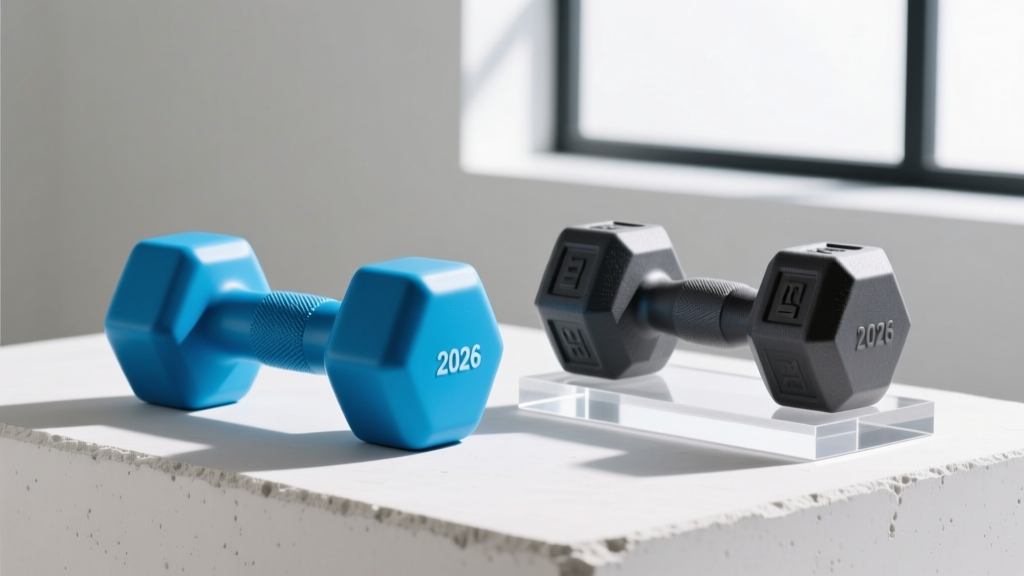
The commercial and premium home gym equipment sector is undergoing a significant material transition in 2026. For the past decade, recycled rubber hex dumbbells have been the undisputed volume leader in free weight procurement. However, recent supply chain shifts and a growing demand for premium user experiences are driving a massive migration toward virgin urethane (polyurethane) dumbbells. According to recent market analyses tracked by Club Industry's fitness equipment market reports, commercial facilities are increasingly willing to absorb a 120% upfront premium on urethane sets to eliminate the long-term replacement costs associated with rubber degradation.
This shift is not merely cosmetic. It fundamentally alters the biomechanical feedback, acoustic footprint, and longevity of the equipment. To understand this market pivot, we must examine how these materials perform under the specific, high-stress conditions of isolation training, and why facility owners and serious home gym builders are recalculating their cost-per-year metrics.
Why Isolation Movements Drive the Urethane Premium
While compound movements like heavy goblet squats or farmer's carries test the structural integrity of a dumbbell's handle-to-head weld, isolation exercises expose the material coating and handle finish to entirely different stressors. When athletes focus on isolating the biceps with dumbbells, the repetitive nature of the movement, the high volume of sets, and the proximity of the equipment to the user's face and respiratory system bring material flaws to the forefront.
The Biomechanics of Biceps with Dumbbells and Equipment Stress
Training the biceps with dumbbells typically involves high-repetition sets (8-15 reps), strict eccentrics, and frequent drop-sets to failure. This creates three specific equipment stressors:
- High-Frequency Hand Transfer: Bicep curls generate significant palmar sweat. Over thousands of repetitions, the acidic nature of human sweat (containing urea and chlorides) aggressively attacks cheap handle finishes.
- Proximity Off-Gassing: Unlike lower-body movements where the weight is near the floor, curling brings the dumbbell head within inches of the user's nasal cavity. Recycled rubber off-gassing (VOCs) becomes a severe user-experience issue.
- Rack Impact Degradation: After reaching muscular failure on a heavy set of preacher or hammer curls, users frequently drop or forcefully rack the dumbbells. The hex edges of rubber dumbbells act as stress concentrators, leading to tearing and chunking.
'In 2026, the modern lifter's tolerance for the 'tire shop smell' of recycled rubber is near zero. Facilities that prioritize high-volume isolation zones are upgrading to low-VOC urethane to improve member retention and air quality.' — Facility Procurement Trends, Q1 2026
Cost-Benefit Matrix: Rubber Hex vs. Virgin Urethane
To make an informed procurement decision, buyers must look beyond the initial invoice price. The National Strength and Conditioning Association (NSCA) frequently highlights the importance of equipment maintenance and lifecycle costing in facility management. Below is a 2026 market comparison matrix detailing the true specifications and costs of both materials.
| Specification | Standard Rubber Hex (e.g., CAP/Titan) | Virgin Urethane (e.g., Rogue/Iron Grip) |
|---|---|---|
| 2026 Average Price per Pound | $1.75 - $2.30 / lb | $4.10 - $5.50 / lb |
| Material Composition | Recycled rubber with sulfur binders | Cast virgin polyurethane |
| Durometer Hardness (Shore A) | 70 - 75 (Softer, prone to gouging) | 85 - 90 (Dense, highly impact-resistant) |
| VOC Off-Gassing Period | 45 - 90 days (Requires ventilation) | 0 - 3 days (Virtually odorless) |
| Typical Handle Finish | Standard Chrome or Painted | Hard Industrial Chrome or Cerakote |
| Estimated Commercial Lifespan | 3 - 5 Years (Edge tearing) | 10 - 15+ Years (Cosmetic scuffing only) |
Edge Case Failures: What Gym Owners and Home Lifters Miss
Market analysis is only as good as its understanding of real-world failure modes. Both materials have distinct edge cases that buyers frequently overlook until the warranty period has expired.
CRITICAL WARNING: The 'Sweat Corrosion' Factor in High-Rep CurlsThe most common point of failure in a rubber hex dumbbell set is not the rubber head—it is the handle. To keep costs under $2.00/lb, manufacturers often use low-grade chrome plating over porous steel. When users train biceps with dumbbells daily, sweat accumulates in the knurling valleys. Within 14 to 18 months in non-climate-controlled environments (like garage gyms), this causes sub-surface oxidation. The chrome begins to flake and pit, creating a jagged surface that tears calluses. Premium urethane sets justify their $5.00/lb price tag by pairing the heads with Cerakote or heat-treated hard chrome handles that are impervious to chloride corrosion.
The Concrete Drop-Test Reality
Urethane is vastly superior to rubber when dropped on 3/4-inch horse stall mats or commercial rubber flooring. Its Shore A 85+ rating allows it to absorb and disperse kinetic energy without deforming. However, urethane has a critical vulnerability: bare concrete. If a user drops a 70-pound urethane dumbbell directly onto an un-matted concrete floor, the extreme density of the polyurethane transfers the shockwave directly to the cast iron core, which can result in a catastrophic internal fracture or a shattered urethane shell. Rubber hex, being softer, is more forgiving on bare concrete but will suffer immediate cosmetic tearing on the hex points.
Strategic Buying Framework for 2026
Based on current market pricing and material science, here is the decision framework for procuring free weights this year:
- The Commercial / High-Traffic Home Gym Buyer: If your facility sees heavy daily use, or if you are a serious lifter executing daily isolation work (like training biceps with dumbbells, tricep extensions, and lateral raises), buy virgin urethane. The elimination of VOCs, combined with a 15-year lifespan and superior handle finishes, yields a lower cost-per-year than replacing rubber sets every four years.
- The Budget-Conscious / Garage Gym Buyer: If you are outfitting a home gym on a strict budget and primarily use dumbbells for compound movements (lunges, goblet squats, floor presses), buy rubber hex. However, you must commit to a 60-day off-gassing period in a ventilated space and apply a light coat of 3-in-One oil to the handles weekly to prevent sweat-induced corrosion.
- The Hybrid Approach: A growing trend in 2026 is the 'Tiered Rack.' Facilities are purchasing rubber hex for heavy sets (60-120 lbs) where drops are less frequent and the weight is rarely brought near the face, while stocking urethane for the 5-50 lb range where high-rep bicep, shoulder, and tricep isolation work dominates.
Industry Sources & Further Reading
The data and market trends referenced in this analysis are supported by ongoing industry monitoring. For further research on facility equipment standards and resistance training biomechanics, consult the National Strength and Conditioning Association (NSCA) educational resources, or review annual procurement forecasts via Club Industry's fitness equipment market reports.
More gear to consider
All reviews
Rubber vs Urethane Dumbbells: Maintenance & Dumbbell Size Chart
How to Curl Dumbbells Correctly: Rubber Hex vs Urethane Budget Guide

Olympic vs Standard Plates for Your Dumbbell Triceps Press

Home Gym Setup: Plate Types & Lat Pulldown Alternative with Dumbbells
Squat Stand vs Power Rack Setup: Space for the Dumbbell Upward Row