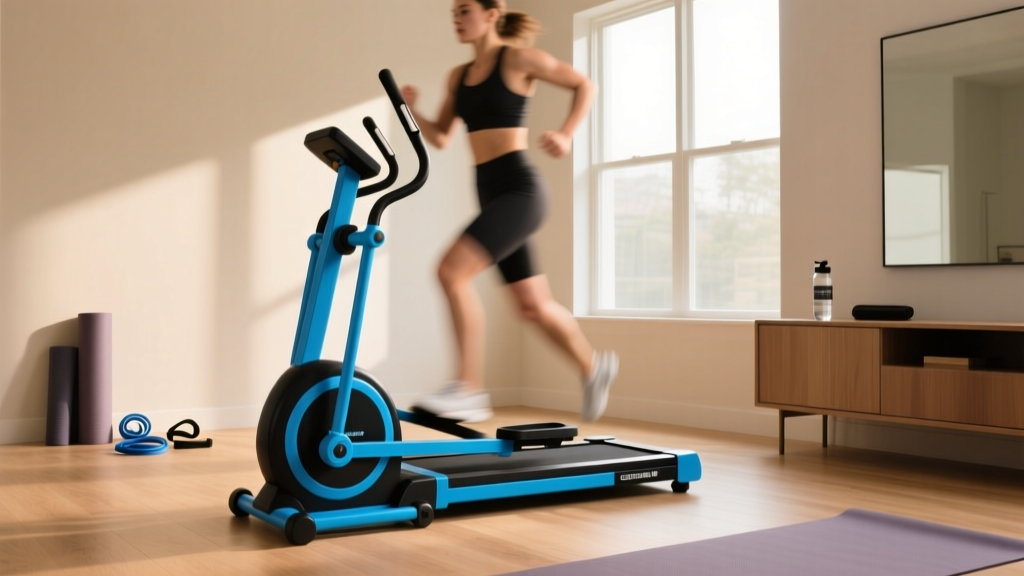
Beyond the Baby Treadmill: Curved vs Motorized Comparison
Outgrown your mini walking pad? We compare curved manual vs motorized treadmills for 2026, analyzing biomechanics, top models, and safety.

Outgrowing the 'Baby Treadmill' Trap
Over the last few years, social media has been flooded with viral under-desk walking pads. Often colloquially dubbed the 'baby treadmill' due to their miniature footprint, low weight capacities, and top speeds capped at 3 to 4 mph, these compact walkers are excellent for breaking up sedentary office hours. However, as your cardiovascular baseline improves, these mini-machines quickly become a bottleneck. According to the Centers for Disease Control and Prevention (CDC), adults need at least 150 minutes of moderate-intensity or 75 minutes of vigorous-intensity aerobic activity weekly to maintain optimal heart health. A 3.5 mph walking pad simply cannot facilitate the vigorous heart-rate zones required for true cardiovascular conditioning or high-intensity interval training (HIIT).
Once you outgrow the 'baby treadmill,' you face the ultimate home gym upgrade decision: do you invest in a traditional motorized treadmill, or do you pivot to the increasingly popular curved manual treadmill? In this 2026 head-to-head comparison, we break down the biomechanics, exact model pricing, maintenance realities, and family safety profiles of both machines to help you make an evidence-based purchase.
The Biomechanics: Ground Reaction Forces and Caloric Burn
The fundamental difference between these two machines lies in how the belt moves. On a motorized treadmill, the motor pulls the belt beneath your feet. Your primary biomechanical job is simply to lift your foot and place it back down, which heavily engages the hip flexors and quadriceps while the machine does the pulling. Conversely, a curved manual treadmill is entirely self-powered. The belt only moves when you push it backward with your foot strike. This requires massive engagement from the posterior chain—specifically the glutes, hamstrings, and calves.
📊 The 30% Caloric Burn RuleA landmark study published in the Journal of Strength and Conditioning Research demonstrated that running on a curved, non-motorized treadmill requires up to 30% more oxygen consumption and caloric expenditure compared to a motorized treadmill at the exact same speed. The absence of a motor forces your body to overcome the inertia of the heavy flywheel and belt slats with every single stride.
Motorized Treadmills: Tech, Comfort, and Maintenance
Motorized treadmills remain the gold standard for home gyms that prioritize interactive programming, joint cushioning, and steady-state cardio. Modern 2026 models feature advanced shock absorption systems that reduce ground reaction forces by up to 40% compared to outdoor asphalt, making them ideal for runners recovering from joint issues or those logging high weekly mileage.
Top 2026 Motorized Contenders
- Sole F80 (Approx. $999): The undisputed workhorse of the home gym. It features a 3.5 Continuous Horsepower (CHP) motor, a spacious 20' x 60' running surface, and Sole's Cushion Flex deck system. It lacks a massive HD touchscreen, but its folding frame and lifetime motor warranty make it a pragmatic choice for serious runners on a budget.
- NordicTrack Commercial 2450 (Approx. $1,999): Built for the tech-obsessed runner. It boasts a 4.0 CHP motor, an automatic incline/decline range of -3% to 12%, and a 22-inch pivoting HD touchscreen integrated with iFIT. The decline feature is crucial for eccentric quad loading and simulating real-world marathon courses.
The Maintenance Reality: Motorized treadmills require strict upkeep. The friction between the belt and the deck generates immense heat. You must manually apply 100% silicone lubricant beneath the belt every 150 miles or every 3 months. Failure to do so will cause the motor to overwork, draw excessive amperage, and eventually burn out the control board—a $300+ repair.
Curved Manual Treadmills: Raw Power and Biomechanics
Curved treadmills are built on a concave, slat-belt design. Because they have no motor, they are virtually immune to the electronic failures that plague motorized machines. There is no control board to fry, no motor to overheat, and no belt lubrication required. They are the ultimate high-intensity interval training (HIIT) tools because your speed is limited only by your leg turnover, not a machine's max speed setting.
Top 2026 Curved Contenders
- AssaultRunner Pro (Approx. $2,999): Weighing in at 280 lbs, this machine uses a rugged vulcanized rubber slat belt rated for 350 lbs. The heavy-duty bearings and deep curve force you into a proper forefoot strike, naturally correcting the heel-strike overstriding common on flat motorized belts.
- TrueForm Runner (Approx. $3,495): A premium, low-profile curved treadmill favored by elite sprint coaches. It features a slightly shallower curve than the AssaultRunner, making it more accessible for walkers and joggers transitioning from a 'baby treadmill' who might find steeper curves too aggressive on their Achilles tendons.
Head-to-Head Comparison Matrix
| Feature | Motorized (Sole F80) | Curved Manual (AssaultRunner Pro) |
|---|---|---|
| Price Range | $999 - $1,999 | $2,999 - $3,500 |
| Max Speed | 12 mph (Motor Limited) | Unlimited (User Limited) |
| Belt Type | Continuous PVC/Nylon (Requires Lube) | Vulcanized Rubber Slats (Zero Lube) |
| Caloric Burn | Baseline (1x) | +30% (1.3x at same pace) |
| Power Requirement | 120V Dedicated Outlet | None (100% Human Powered) |
| Incline/Decline | 0% to 15% (Auto-adjust) | Fixed Curve (Simulates 8-10% grade) |
Safety, Footprint, and Family Considerations
When upgrading from a small walking pad, home gym footprint and family safety are critical variables. Motorized treadmills require a minimum of 2 feet of clearance on all sides and 6 feet behind the machine to prevent severe friction burns in the event of a fall. Furthermore, motorized belts are a notorious hazard for toddlers and pets; if a child touches a moving motorized belt, the continuous pulling force can easily drag them under the rear roller.
Curved manual treadmills offer a distinct safety advantage in family homes. Because the belt is entirely user-driven, it stops the exact millisecond you stop running. There is no 'run-off' time, and the heavy slat belt cannot be easily pulled backward by a toddler's hand, virtually eliminating the friction-burn drag hazard. However, curved treadmills are significantly heavier (often exceeding 300 lbs) and cannot be folded, meaning you must dedicate a permanent 70' x 35' footprint in your gym space.
Final Verdict: Which Should You Buy?
If your goal is to transition away from your 'baby treadmill' to train for a marathon, utilize interactive global routes, or protect sensitive knees with advanced deck cushioning, a motorized treadmill like the Sole F80 is your best investment. The tech integration and steady-state pacing capabilities are unmatched for endurance building.
However, if you are short on time, want to maximize caloric expenditure, prefer HIIT workouts, and want a machine that requires zero electrical maintenance and offers superior safety around children, the AssaultRunner Pro is the superior biomechanical tool. As the Mayo Clinic notes, increasing the intensity of your aerobic exercise yields compounding cardiovascular benefits, and the forced posterior-chain engagement of a curved treadmill delivers that intensity inherently with every stride.
More gear to consider
All reviews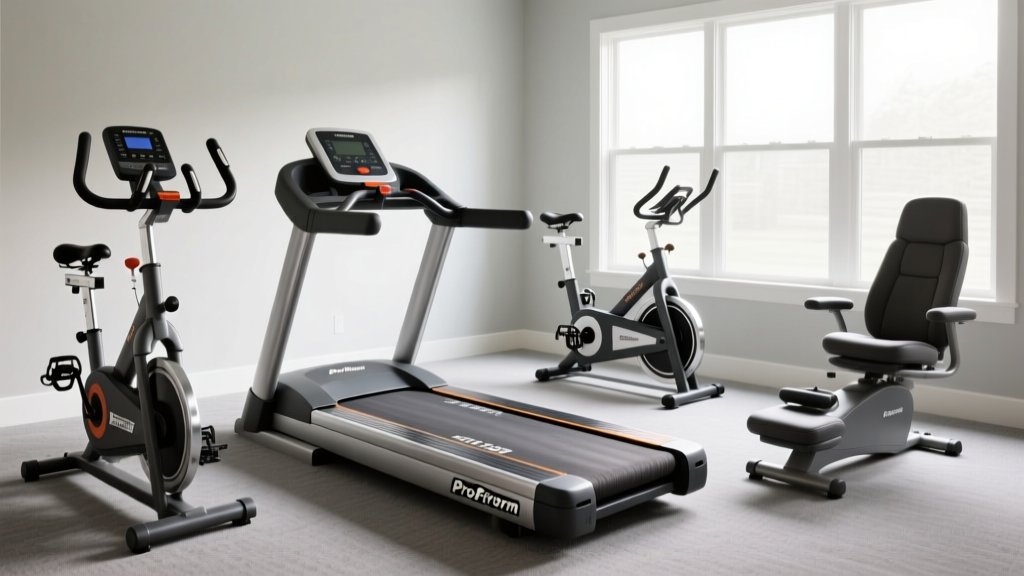
ProForm XP 550 Treadmill vs. Upright, Recumbent, and Spin Bikes
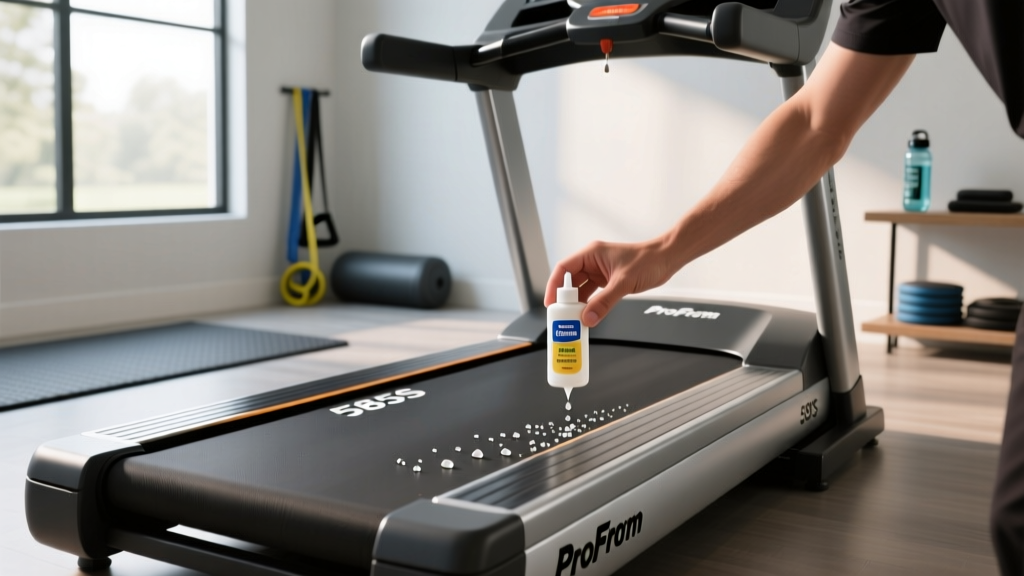
ProForm 585s Treadmill Belt Maintenance: Expert Lubrication Guide

Beyond Sole Treadmill Reviews: Air Bike vs Assault Bike Guide

2026 Compact Portable Cardio: Reviewing Treadmill Nudes

Treadmill Motor Size Guide for Your Treadmill Laptop Holder Setup