Barbell Bench vs Dumbbell: How Barbell Collar & Clamp Types Compare
Explore the ultimate barbell collar comparison. Learn how collar weight and security impact your barbell bench vs dumbbell training and load math.

The Hidden Variable in the Barbell Bench vs Dumbbell Debate
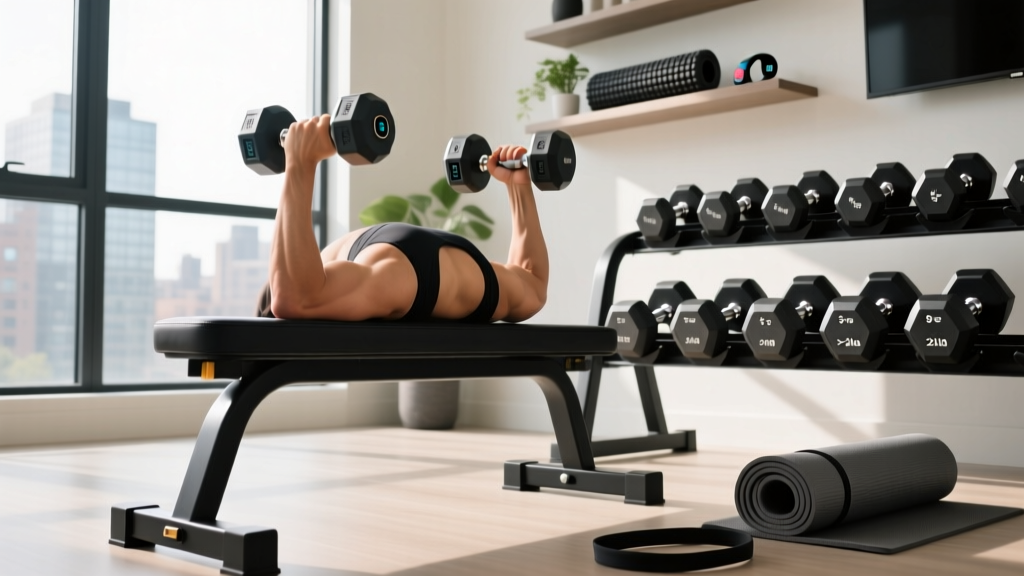
When strength athletes and bodybuilders analyze the barbell bench vs dumbbell press, the conversation almost exclusively revolves around range of motion, stabilizer muscle recruitment, and bilateral deficit correction. However, there is a critical, often overlooked variable in the barbell setup that directly impacts your safety, load accuracy, and progressive overload tracking: the barbell collar. Whether you are maxing out on a heavy barbell bench press or performing high-rep drop sets, the type of clamp you use dictates whether your plates stay securely in place or shift dangerously mid-lift.
Furthermore, the physical weight of the collars themselves can skew your load calculations, especially when transitioning between barbell and dumbbell variations. In this comprehensive guide, we break down the engineering, failure modes, and real-world applications of the most popular barbell collar and clamp types on the market in 2026, helping you secure your lifts and optimize your training data.
Anatomy of a Secure Lift: 4 Barbell Collar Types Compared
Not all collars are created equal. The market is flooded with options ranging from cheap spring clips to precision-machined competition locks. Here is how the primary designs stack up in a commercial or home gym environment.
1. Traditional Spring Clips
The ubiquitous spring clip is the default in most commercial gyms. Constructed from zinc-plated steel wire, they rely on mechanical tension to grip the barbell sleeve.
- Pros: Extremely lightweight (virtually zero impact on load math), inexpensive ($5 to $10 per pair), and fast to apply for light-to-moderate weights.
- Cons: Prone to metal fatigue. After 6 to 12 months of heavy use, the tension degrades, leading to dangerous slippage during uneven lifts or when the bar is dropped onto safety catches.
- Best For: Warm-up sets, accessory work, and lifters who strictly use controlled tempos without dropping the bar.
2. Lever and Clamp Collars (The Modern Gym Standard)
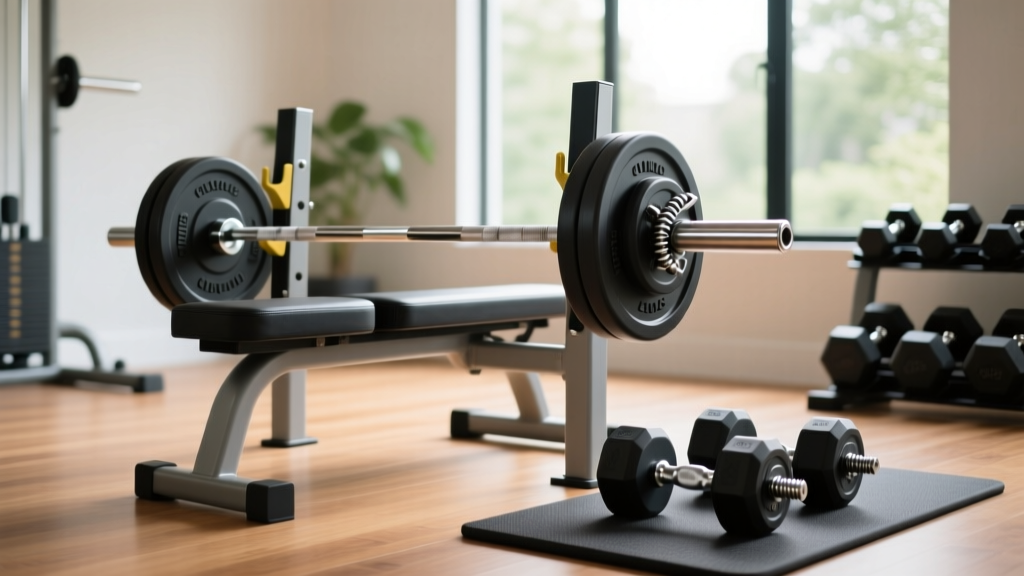
Lever collars, such as the highly rated Rogue ALFAs or Harbinger Pro Clamps, utilize a cam-lever mechanism to apply immense, even pressure against the sleeve. They typically feature a glass-filled nylon body with a TPU (thermoplastic polyurethane) inner lining.
- Pros: Exceptional grip that prevents plate rattle and shifting. The TPU lining protects the barbell sleeve from scratching and accommodates minor manufacturing tolerances (sleeves can vary by +/- 0.5mm). They weigh roughly 0.55 lbs each, keeping load discrepancies minimal.
- Cons: More expensive ($35 to $45 per pair). If dropped directly on the lever arm from a height, the cam mechanism can crack or jam.
- Best For: Heavy barbell bench pressing, Olympic lifting, and home gym owners who want a balance of security and speed.
3. Snap-On Locking Collars (Lock-Jaw Style)
Made from high-impact polycarbonate, snap-on collars use a flexible hinge and a locking clasp that clicks securely over the lip of the collar. They are incredibly popular in CrossFit boxes and high-volume functional fitness gyms.
- Pros: Lightning-fast application and removal. The audible 'click' provides tactile confirmation of a secure lock. Priced reasonably at $25 to $30 per pair.
- Cons: Polycarbonate is susceptible to UV degradation and cold-weather brittleness. If your home garage gym drops below 50°F (10°C), the plastic hinges can develop micro-fractures and snap under heavy lateral tension.
- Best For: High-intensity interval training, deadlifts, and fast-paced circuit workouts where seconds matter.
4. Competition Weighted Collars (IWF/IPF Spec)
According to the International Weightlifting Federation (IWF) Technical and Competition Rules, approved collars must weigh exactly 2.5 kilograms (5.51 lbs) each. These are typically machined from steel or dense rubber-coated iron with a precision locking screw or heavy-duty lever.
- Pros: Absolute maximum security. They act as an extension of the barbell sleeve, completely eliminating any lateral plate movement during heavy, aggressive lifts.
- Cons: Expensive ($80 to $150+ per pair), heavy, and slow to adjust. They also significantly alter the total weight on the bar, which complicates quick load changes.
- Best For: Powerlifting meets, Olympic weightlifting competitions, and elite lifters training strictly to competition specifications.
Head-to-Head Comparison Matrix
| Collar Type | Avg. Price (Pair) | Weight per Collar | Hold Rating (1-5) | Primary Failure Mode |
|---|---|---|---|---|
| Spring Clip | $5 - $12 | < 0.1 lbs | 2 | Metal fatigue / Tension loss |
| Lever / Clamp | $35 - $50 | ~0.55 lbs | 4.5 | Cam mechanism jamming if dropped |
| Snap-On (Polycarbonate) | $25 - $35 | ~0.35 lbs | 3.5 | Hinge cracking in cold temperatures |
| Competition (IWF/IPF) | $90 - $160 | 2.5 kg (5.51 lbs) | 5 | Stripped locking threads over time |
The Math: How Collar Weight Skews Barbell Bench vs Dumbbell Conversions
One of the most practical applications of understanding collar weight is when you are programming your barbell bench vs dumbbell progressions. Biomechanics resources like ExRx.net note that the dumbbell press requires significantly more stabilizer engagement, meaning most lifters can press roughly 70% to 80% of their barbell bench weight when using dumbbells (total combined weight).
⚠️ The Hidden 11-Pound Discrepancy
Imagine you are barbell bench pressing 225 lbs (four 45-lb plates). If you use standard spring clips, the total load is exactly 225 lbs. Your dumbbell equivalent for a similar stimulus might be 80-lb dumbbells (160 lbs total).
However, if you switch to IPF/Competition collars, you are adding an extra 11.02 lbs to the bar (2.5kg x 2). Your actual working load is now 236 lbs. If you use a standard conversion chart without accounting for the collars, you might incorrectly reach for 85-lb or 90-lb dumbbells on your next dumbbell day, leading to premature failure or compromised form. Always subtract competition collar weight from your barbell total before calculating your dumbbell equivalents.
Real-World Failure Modes: Edge Cases & Safety
When deciding which collar to purchase, you must consider how you train. The bench press, in particular, presents unique failure modes that test the limits of your clamps.
Uneven Loading and Lateral Shift
If you frequently perform unilateral movements, or if you accidentally load one side of the bar heavier than the other during a fatigued set, the barbell will tilt. Spring clips will almost immediately slide off the smooth sleeve under lateral gravitational pull. Lever collars with TPU lining create enough friction to hold the plates in place long enough for you to safely rack the bar or bail out.
Dropping the Bar on Safeties
When failing a heavy barbell bench press and dropping the bar onto spotter arms or safety straps, the sudden deceleration creates a massive kinetic shockwave through the barbell sleeve. Plates will violently slam against the collar. Snap-on collars generally handle this axial shock well, but if the bar twists upon impact, the rigid plastic housing can shatter. For heavy benching without a spotter, forged aluminum lever clamps or steel competition collars are the only safe choices.
Knurling Preservation
While the sleeve of a barbell is smooth, poorly fitting collars with sharp metal edges or degraded plastic burrs can scratch the zinc or chrome coating on the sleeve. Once the coating is compromised, the underlying steel will oxidize and rust, eventually causing the sleeve to seize up and stop spinning. Always opt for collars with a soft TPU or rubberized inner lining to preserve your equipment investment.
Expert Verdict: Which Collar Should You Buy?
The 'best' collar depends entirely on your training environment and the specific demands of your programming:
- For the Home Gym Generalist: Invest in a high-quality Lever/Clamp collar (like the Rogue ALFAs). They offer the perfect intersection of security, sleeve protection, and minimal weight interference, making your barbell bench vs dumbbell load tracking highly accurate.
- For the Competitive Powerlifter/Olympic Lifter: You must train as you compete. Purchase 2.5kg Competition Collars and factor their weight into every single spreadsheet and conversion chart you use.
- For the CrossFit / Functional Fitness Athlete: Snap-On collars are unbeatable for speed during AMRAPs and EMOMs, provided your gym is climate-controlled to prevent plastic brittleness.
Ultimately, while the barbell bench vs dumbbell debate will continue to dominate fitness forums regarding hypertrophy and strength carryover, the foundation of any great barbell lift is safety and precision. Upgrading from worn-out spring clips to engineered clamps is one of the highest-ROI equipment investments you can make in 2026.
More gear to consider
All reviews
Cast Iron vs Competition Kettlebells & Dumbbell Shoulder Press Muscles
Beyond a Full Body Dumbbell Exercises for Seniors PDF: Cast Iron vs Competition Kettlebells

Beyond the Dumbbell Exercises Poster: Barbell Collar Types Compared
EZ vs Straight Bar Comparison & Dumbbell Pull Exercises Care

Back and Bicep Dumbbell Workout Female: Cast Iron vs Competition Bells