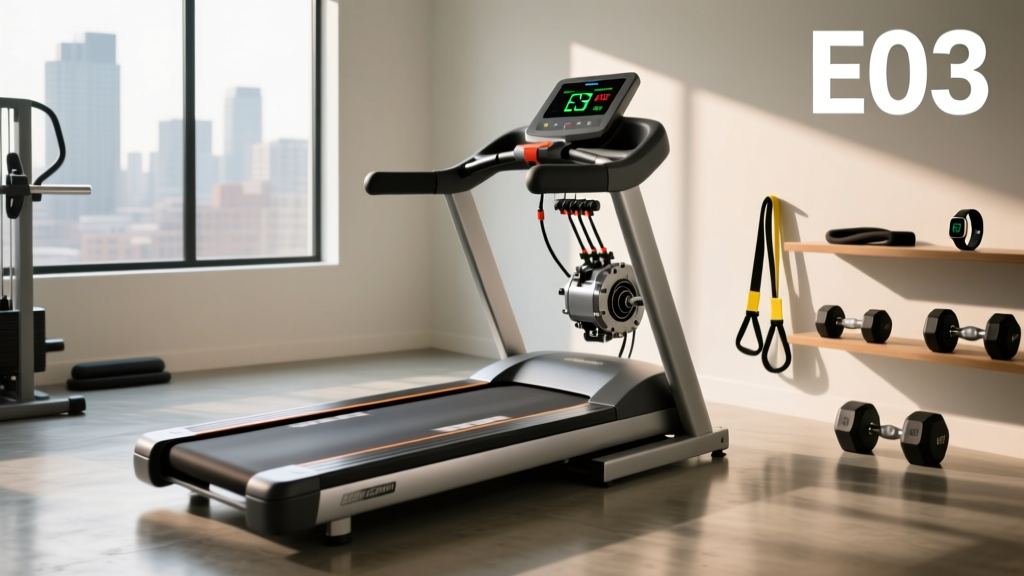
The AquaPaws Treadmill & Home Rehab Cardio: 2026 Guide
Explore our 2026 guide comparing the AquaPaws treadmill for canine rehab with top human low-impact cardio machines. Specs, pricing, and installation tips.

The Evolution of At-Home Specialty Rehab
As we navigate 2026, the home fitness equipment market has bifurcated into two distinct camps: high-performance athletic gear and specialized medical-grade rehabilitation equipment. While standard motorized treadmills remain a staple for general cardiovascular health, a growing demographic of biohackers, physical therapy patients, and dedicated pet owners are investing in niche hydrotherapy and unweighting systems. In this comprehensive buying guide, we are conducting a unique treadmill features comparison that bridges the gap between veterinary and human medicine, headlined by the industry-leading AquaPaws treadmill for canine hydrotherapy, alongside top-tier human low-impact alternatives.
Whether you are managing post-operative joint recovery, seeking zero-impact cardio, or investing in at-home physical therapy for an aging athletic dog, understanding the biomechanical differences between water viscosity, magnetic resistance, and differential air pressure is critical before dropping tens of thousands of dollars on specialty equipment.
Deep Dive: The AquaPaws Treadmill Lineup
When discussing at-home aquatic therapy, the AquaPaws treadmill is the undisputed gold standard in the veterinary and canine rehabilitation space. While originally designed for clinical settings, the rise of luxury home pet wellness has pushed these units into high-end residential gyms. According to the American Kennel Club (AKC), canine hydrotherapy leverages water buoyancy to reduce joint loading by up to 90%, while water resistance builds muscle without the concussive forces of land-based cardio.
AquaPaws Underwater Treadmill Specifications
The flagship AquaPaws Underwater Treadmill is a marvel of fluid dynamics and mechanical engineering. Unlike standard human treadmills, this unit is enclosed in a shatter-resistant acrylic tank.
- Motor: 3.0 HP continuous duty, fully sealed and wet-rated.
- Belt Speed: Variable from 0.1 mph to 4.5 mph (crucial for slow-gait neurological rehab).
- Water Temperature Control: Integrated inline heater maintaining 85°F to 92°F to promote vasodilation and muscle relaxation.
- Jet Resistance: Multi-directional laminar water jets that can increase drag without increasing belt speed.
- Filtration: Dual-stage UV and Ozone sanitation system, eliminating the need for harsh chlorine that can degrade the acrylic seals.
Human Alternatives: Low-Impact & Anti-Gravity Cardio
If you are a human athlete or physical therapy patient looking for the biomechanical equivalents of the AquaPaws system, you must look toward unweighting and curved manual treadmills. The Mayo Clinic frequently highlights aquatic and unweighted exercises for patients with osteoarthritis or post-surgical joint limitations, as these modalities preserve cardiovascular output while sparing cartilage.
1. AlterG Anti-Gravity Treadmill (Via Series)
Using NASA-patented Differential Air Pressure (DAP) technology, the AlterG encloses the user's lower half in an airtight tent. By pressurizing the chamber, the machine literally lifts the user, unweighting them from 100% down to 20% of their body weight in precise 1% increments. It is the closest human equivalent to the buoyancy provided by an underwater treadmill, without the mess of water.
2. Woodway Curve (Curved Manual Treadmill)
For those who do not need pneumatic unweighting but require zero-impact joint preservation, the Woodway Curve utilizes a slatted vulcanized rubber belt on a curved track. Because it is self-powered, the user dictates the pace, and the curved geometry naturally encourages a mid-foot strike, drastically reducing the tibial shock associated with traditional motorized treadmills.
Feature & Pricing Comparison Matrix
Below is a side-by-side comparison of the top specialty rehab treadmills on the market in 2026, comparing the canine-focused AquaPaws with human-focused clinical alternatives.
| Feature / Model | AquaPaws Underwater | AlterG Via Series | Woodway Curve |
|---|---|---|---|
| Target User | Canine Rehab / Vet | Human Clinical / Pro Sports | Human Home / Gym |
| Impact Reduction | Up to 90% (via Buoyancy) | Up to 80% (via Air Pressure) | ~30% (via Shock Absorption) |
| Drive Mechanism | 3.0 HP Wet-Rated Motor | 2.0 HP Motor + DAP Blower | Self-Powered Magnetic |
| Approx. 2026 Price | $38,000 - $48,000 | $45,000 - $75,000 | $6,500 - $7,200 |
| Primary Failure Mode | Acrylic seal degradation | Air bladder punctures | Belt slat tension loss |
Critical Installation & Environmental Requirements
Buying a specialty rehab treadmill is only 30% of the battle; installing it in a residential environment is where most buyers encounter catastrophic failures. You must evaluate your home's infrastructure before purchasing.
Hydrotherapy Structural Loads (AquaPaws)
Water is incredibly heavy, weighing 8.34 pounds per gallon. A standard AquaPaws underwater tank holds approximately 150 to 200 gallons of water during operation. This adds 1,250 to 1,668 pounds of dead weight before factoring in the 800-pound steel and acrylic chassis. Standard residential floor joists (typically rated for 40 lbs per square foot live load) will sag or fail over time. You must hire a structural engineer to reinforce the floor with steel cross-beams or install the unit on a ground-level concrete slab.
Electrical & Plumbing Demands
- Power: Both the AquaPaws heater and the AlterG DAP blower require dedicated 220V/50-Amp circuits. Plugging these into standard 110V household outlets via adapters will result in immediate breaker tripping and severe fire hazards.
- Drainage: The AquaPaws requires a dedicated floor drain or a high-capacity sump pump system. Emptying a 200-gallon tank via a standard garden hose takes over 45 minutes and risks flooding your equipment room if the hose detaches.
- Humidity Control: Indoor aquatic treadmills generate massive ambient humidity. Without a commercial-grade dehumidifier and HVAC integration, mold will colonize your drywall within weeks.
"The most common reason we see residential hydrotherapy units abandoned is not mechanical failure, but environmental mismanagement. Homeowners underestimate the HVAC load required to manage the evaporation from a heated 90-degree water tank in a closed basement." — 2025 Report on Residential Wellness Infrastructure
Real-World Maintenance & Edge Cases
Specialty treadmills require maintenance protocols that go far beyond vacuuming under the motor hood of a standard Peloton or NordicTrack.
AquaPaws Water Chemistry Edge Cases
While the UV/Ozone system handles biological contaminants, mineral buildup from hard water will destroy the inline heater elements and cloud the acrylic tank. Owners must use specialized water softeners and avoid chlorine-based shocks, which will eat away at the neoprene O-ring seals on the drive shaft, leading to catastrophic water leaks into the motor housing.
AlterG Calibration Drift
The AlterG relies on precise barometric sensors to maintain the air pressure that unweights the user. If the room's ambient temperature fluctuates wildly (e.g., an unconditioned garage gym), the air density changes, causing the machine's unweighting percentage to drift. Users may think they are running at 50% body weight, while the machine is actually delivering 65%, potentially re-injuring a healing joint.
Frequently Asked Questions (FAQ)
Can humans use the AquaPaws treadmill?
No. The AquaPaws underwater treadmill is dimensionally engineered for quadrupeds. The belt width (typically 24 to 30 inches) and the height of the acrylic enclosure are entirely unsuited for human biomechanics. Humans seeking aquatic therapy should look into residential swim spas with integrated resistance jets or clinical aquatic treadmills like the WaterWalker.
Is the Woodway Curve a viable alternative for joint pain?
Yes, but with caveats. The Woodway Curve eliminates the harsh impact of a motorized deck, but it does not unweight the user. If you have severe spinal compression or acute post-operative limitations, you still bear 100% of your body weight on the Curve. It is best for impact reduction, not load shedding.
Do these specialty treadmills hold their resale value?
Yes, remarkably well. Because the barrier to entry is so high, the secondary market for clinical rehab gear is robust. A well-maintained AlterG or AquaPaws unit typically retains 50% to 65% of its retail value after three years, largely purchased by cash-strapped physical therapy startups and university athletic departments.
Final Verdict
The decision to invest in a specialty rehab treadmill in 2026 requires a clear understanding of your biological needs and your home's physical limitations. For elite canine athletes and aging pets, the AquaPaws treadmill remains an unparalleled investment in longevity and mobility, provided your home can support the immense structural and electrical load. For human athletes, the AlterG offers unmatched clinical precision for joint unloading, while the Woodway Curve provides a more accessible, space-efficient entry into low-impact manual cardio. Whichever path you choose, prioritize professional installation and rigorous environmental controls to protect your investment.
More gear to consider
All reviews
Stair Climber Guide: Is It Harder to Run on a Treadmill or Outside?

Best Treadmill for a HIIT Treadmill Workout for Beginners: 2026

Walking Pad vs. Treadmill Setup: Prepping for a 20-Minute HIIT Workout

Precor Treadmill How to Use vs Home Stair Climber: Beginner Guide

Beyond the Treadmill Warning Label: Upright, Recumbent & Spin Bikes