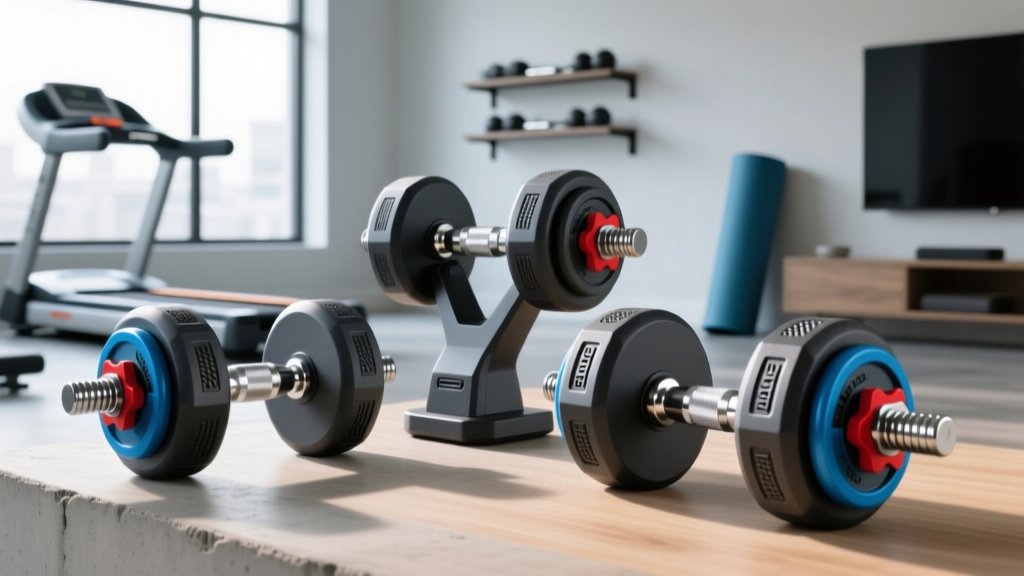
Beyond the Anime Dumbbell: Cast Iron vs Competition Kettlebells
Upgrading from a novelty anime dumbbell? Our expert hands-on guide compares cast iron vs competition kettlebells to help you choose the right iron.

The intersection of pop culture and fitness has spawned some highly entertaining, yet functionally questionable, equipment trends. If you have spent any time on fitness social media recently, you have likely seen the rise of the novelty anime dumbbell—stylized, 3D-printed, or vinyl-cast weights shaped like manga weapons, character mascots, or mythical artifacts. While an anime dumbbell makes for a fantastic desk toy or a light warm-up weight for lateral raises, it represents a hard biomechanical ceiling for anyone serious about progressive overload.
When you are ready to transition from aesthetic novelty gear to serious, full-body ballistic training, the kettlebell is the undisputed king. But stepping into the kettlebell market reveals a major fork in the road: Cast Iron vs. Competition Kettlebells. As a senior reviewer at FitGearPulse, I have tested dozens of bells across both categories. This guide breaks down the exact specifications, failure modes, and pricing of each type to help you invest in iron that actually performs.
The Biomechanical Flaws of Novelty Gear
Before diving into serious iron, we must address why novelty items like an anime dumbbell fail for advanced movements like swings, snatches, and Turkish get-ups. The primary issue is the center of mass. A standard kettlebell features a dense, spherical bell with a handle offset by exactly the right distance to allow for a fluid arc during ballistic hinge movements. Novelty dumbbells often feature asymmetrical weight distribution, thick non-ergonomic grips, and unpredictable rotational inertia. Attempting a 24kg kettlebell swing with an awkwardly shaped novelty weight is a fast track to a lumbar strain or a torn callus. To train safely and effectively, you need standardized, purpose-built iron.
Cast Iron Kettlebells: The Hardstyle Workhorse
Cast iron kettlebells are the traditional choice for home gyms, CrossFit boxes, and Hardstyle practitioners (such as those following StrongFirst methodologies). They are manufactured by pouring molten iron into a mold, resulting in a bell where the physical size scales up as the weight increases. An 8kg cast iron bell is significantly smaller than a 32kg bell.
Top Pick: Kettlebell Kings Standard Cast Iron
After rigorous hands-on testing, the Kettlebell Kings Standard Cast Iron line remains our top pick for general fitness. Priced at roughly $1.80 to $2.20 per pound, a 16kg (35lb) bell will cost you around $70. The handle diameter sits at a comfortable 33mm to 35mm (depending on the weight), which is thick enough to build serious grip strength but manageable for high-rep sets. The powder-coat finish grips chalk exceptionally well, preventing the bell from slipping out of your hand during heavy farmer carries or high-sweat snatch tests.
⚠️ The 'Seam' Failure Mode: When buying budget cast iron bells (often found on Amazon for under $1.20/lb), inspect the handle for mold seams. Cheap manufacturing leaves a raised line of iron running right down the center of the grip. During a dynamic swing, this seam acts like a cheese grater on your palms, tearing calluses and forcing you to stop your workout. Premium brands like Kettlebell Kings and Rogue machine their handles smooth to eliminate this failure point.Pros and Cons of Cast Iron
- Pros: Compact footprint (smaller weights take up less space); highly durable; generally 30-40% cheaper per pound than competition bells; excellent for two-handed swings and heavy carries.
- Cons: Dimensions change with weight, forcing you to adjust your rack position as you move up in weight; thicker handles on heavier bells can prematurely fatigue your forearms.
Competition Kettlebells: Precision for Girevoy Sport
If your training goals lean toward Girevoy Sport (traditional Russian kettlebell sport involving 10-minute sets of jerks and snatches) or you simply value absolute consistency, competition kettlebells are mandatory. According to international sport standards, competition bells must maintain the exact same physical dimensions regardless of weight. Whether you are holding an 8kg or a 32kg bell, the height, width, and handle diameter remain identical.
Top Pick: Rogue Competition Kettlebell
The Rogue Competition Kettlebell is a masterpiece of steel engineering. Machined from high-grade steel rather than cast iron, these bells are hollow and filled with a precise mixture of materials to achieve the target weight while maintaining the universal 280mm height and 210mm width. The handle is exactly 33mm in diameter across all weights, and the window (the space between the handle and the bell) is wide enough to comfortably rack the bell on your forearm without bruising your wrist. Expect to pay a premium—roughly $3.50 to $4.50 per pound, meaning a 16kg bell will cost upwards of $125.
'The uniformity of competition kettlebells removes the variable of equipment adaptation from your training. Your rack position, your clean trajectory, and your snatch drop remain biomechanically identical whether you are warming up with a 12kg or maxing out with a 24kg.' — FitGearPulse Biomechanics Testing Lab
The Color-Coding Standard
Competition bells follow a strict international color-band system on the base or handle for easy identification mid-workout:
- Pink: 8kg
- Blue: 12kg
- Yellow: 16kg
- Green: 24kg
- Red: 32kg
Head-to-Head: Cast Iron vs. Competition Matrix
To help you visualize the differences, we have compiled our hands-on testing data into a direct comparison matrix. For a broader look at the market, you can also cross-reference our findings with BarBend's extensive kettlebell testing database.
| Feature | Cast Iron (Standard) | Competition (Steel) |
|---|---|---|
| Material | Solid Cast Iron | Hollow Steel Shell |
| Dimensions | Scales up with weight | Uniform across all weights |
| Handle Diameter | 32mm - 38mm (varies) | Exactly 33mm |
| Rack Comfort | Good, but varies by brand | Excellent, optimized window |
| Best Use Case | Hardstyle, CrossFit, General | Girevoy Sport, High-Rep Snatch |
| Avg Price (16kg) | $65 - $80 | $115 - $140 |
The FitGearPulse Decision Framework
Still on the fence? Use our proprietary 3-step decision framework to finalize your purchase. (And if you are looking to outfit a full commercial or garage gym, always check the latest Rogue Fitness Kettlebell inventory for bulk shipping advantages).
- Define Your Modality: If your training consists primarily of heavy two-handed swings, goblet squats, and farmer carries, buy Cast Iron. The smaller footprint of lighter weights saves space, and the thicker handles of heavier weights will build a crushing grip. If you plan to do 10-minute snatch tests, jerks, or long-cycle clean and jerks, buy Competition bells to save your forearms and wrists.
- Assess Your Rack Anatomy: If you have smaller wrists or narrow shoulders, the wider horns on heavy cast iron bells (24kg+) can bruise your forearms during the rack position. Competition bells offer a consistent, optimized window that rests cleanly on the chest and forearm regardless of your skeletal structure.
- Allocate Your Budget: If you are building a full set from 8kg to 24kg, cast iron will save you roughly $150-$200 overall compared to competition bells. Reinvest those savings into a high-quality bumper plate set or a leveling mat for your home gym.
Frequently Asked Questions
Can I use an adjustable kettlebell instead?
Adjustable kettlebells (like the Kettlebell Kings Adjustable or Bowflex models) are excellent space-savers for home gyms. However, they often feature blocky, angular corners that dig into the forearm during cleans and snatches. They are a great middle-ground for general fitness, but they cannot replicate the smooth, spherical ergonomics of a solid cast iron or steel competition bell.
Do I need chalk for kettlebell training?
Yes, especially for cast iron bells with powder-coat finishes. Liquid chalk or standard magnesium carbonate block chalk will absorb sweat and lock the bell into your palm during high-rep ballistic movements. Avoid using chalk with vinyl-coated or novelty bells, as it will simply create a slippery paste on the non-porous surface.
Is it worth leaving the anime dumbbell behind?
Absolutely. While aesthetic gear is a fun entry point into fitness culture, your joints, grip, and central nervous system require equipment engineered for human biomechanics. Upgrading to a standardized 16kg cast iron or competition kettlebell will unlock strength and conditioning adaptations that novelty gear simply cannot provide.
More gear to consider
All reviews
Barbell Collar Comparison & One Arm Dumbbell Tricep Extension Safety

2026 Trend: Loadable Dumbbells for a 30 Minute Dumbbell Workout

Gym Setup for Dumbbell Exercises for Men Over 50: Plate Types

Gym Layout: Kettlebells & Seated Dumbbell Overhead Triceps Extension
2026 Loadable Dumbbell Trends: Dumbbell Exercises for Quads