2026 Air Bike vs Assault Bike Comparison & Therun Treadmill Review
Compare Air Bike vs Assault Bike costs and value in 2026. Plus, read our exclusive Therun treadmill review to maximize your home cardio budget.

The 2026 Cardio Budget: Navigating the Fan Bike and Treadmill Market
Building a home gym in 2026 requires a ruthless approach to budget allocation. With fitness equipment prices fluctuating and supply chains normalizing, the gap between premium commercial-grade gear and budget-friendly imports has never been more pronounced. For cardio enthusiasts, the ultimate debate often centers around high-intensity interval training (HIIT) workhorses: the air bike. But as we break down the true cost of ownership, we must also look at the alternative low-intensity steady state (LISS) options dominating the budget sector. This guide provides a comprehensive Air Bike vs Assault Bike comparison guide, while also integrating our highly requested Therun treadmill review to help you decide where your hard-earned money will yield the highest cardiovascular return on investment (ROI).
Terminology Check: Air Bike vs. Assault Bike
Before diving into the financial breakdown, we must clarify industry terminology. 'Air Bike' is the generic category for fan-resistance stationary cycles (also known as assault bikes, airdynes, or echo bikes). 'Assault Bike' specifically refers to the trademarked brand Assault Fitness. In this analysis, we will compare the Assault Fitness lineup against its primary market competitors: the Rogue Echo Bike and the Schwinn Airdyne AD7.
Head-to-Head Matrix: Premium Air Bikes in 2026
When evaluating value, the initial purchase price is only the beginning. The drive system, warranty coverage, and console longevity dictate the true cost per workout. Below is our 2026 benchmark matrix for the top three belt-drive fan bikes on the market.
| Model | Drive System | 2026 MSRP | Frame Warranty | Max User Weight |
|---|---|---|---|---|
| AssaultBike Elite | Belt (Carbon) | $1,299 | 5 Years | 350 lbs |
| Rogue Echo Bike | Belt | $1,349 | 2 Years | 350 lbs |
| Schwinn Airdyne AD7 | Belt | $1,199 | 3 Years | 350 lbs |
| AssaultBike Pro (V2) | Chain | $899 | 2 Years | 300 lbs |
Belt Drive vs. Chain Drive: The Maintenance Tax
The most critical value differentiator in the Air Bike vs Assault Bike comparison guide is the drivetrain. The entry-level AssaultBike Pro utilizes a traditional steel chain drive. While it saves you $400 upfront compared to the Elite model, a chain drive requires monthly lubrication and periodic tension adjustments. Neglecting this leads to chain stretch, skipped teeth on the sprocket, and a loud, grinding noise that ruins the workout experience.
Conversely, the AssaultBike Elite, Rogue Echo, and Schwinn AD7 use belt-drive systems. Belts require zero lubrication, operate nearly silently, and transfer power more efficiently. If you plan to place your bike in a shared living space or an apartment, the $400 premium for a belt drive is non-negotiable for long-term value.
Hidden Costs: Sweat Corrosion and Console Failures
When analyzing the budget breakdown of cardio machines, buyers often ignore the 'sweat tax.' Fan bikes generate massive amounts of airflow, which evaporates sweat rapidly, but the salt residue accumulates directly on the console and seat post. According to our repair data, the number one failure point on the older AssaultBike Pro models was LCD screen corrosion due to salt ingress. In 2026, both Rogue and Schwinn have implemented better sealed membrane keypads, slightly edging out Assault Fitness in long-term console reliability.
- Seat Post Slippage: The Schwinn AD7 uses a traditional bicycle-style seat post clamp, which occasionally slips during aggressive standing sprints. The Rogue Echo utilizes a proprietary locking mechanism that requires less maintenance.
- Footprint and Flooring: Air bikes weigh between 110 and 140 lbs. You must budget an additional $60-$80 for high-density rubber horse-stall mats to protect your subfloor from vibration and sweat damage.
The Budget Pivot: Our Exclusive Therun Treadmill Review
While a $1,300 fan bike is the gold standard for HIIT, it completely prices out the casual walker or the remote worker looking for daily step accumulation. This is where our Therun treadmill review provides a vital counter-perspective for the budget-conscious buyer. Therun has carved out a niche in the sub-$400 walking pad and folding treadmill market, but does it offer genuine cardiovascular value, or is it just another piece of disposable e-waste?
Therun 2.5HP Folding Treadmill: Specs and Real-World Performance
We tested the standard Therun 2.5HP folding model (retailing between $329 and $389 depending on seasonal sales). Unlike the heavy-duty commercial treadmills that cost upwards of $3,000, the Therun is designed strictly for walking and light jogging.
⚠️ Edge Case Warning: The Therun 2.5HP motor is rated for continuous walking up to 3.5 MPH. Users attempting sustained running at 6.0+ MPH will experience motor controller board overheating within 20 minutes. This machine is strictly a LISS (Low-Intensity Steady State) device.From a value perspective, the Therun treadmill excels in space economy. It folds completely flat, sliding under a standard bed frame with just 5.5 inches of clearance. The running belt measures 15.7 inches wide—narrower than the industry standard 20 inches—meaning you must maintain strict lateral discipline while walking. However, for $350, it delivers a reliable 265 lb weight capacity and a surprisingly quiet motor output (measured at 62 decibels at 2.0 MPH).
Caloric ROI: HIIT (Air Bike) vs. LISS (Therun Treadmill)
To truly analyze the budget breakdown, we must look at the cost per calorie burned. The Mayo Clinic notes that HIIT protocols on an air bike can burn between 12 to 20 calories per minute, while simultaneously triggering excess post-exercise oxygen consumption (EPOC), keeping your metabolism elevated for hours post-workout.
In contrast, walking on the Therun treadmill at 2.5 MPH burns roughly 4 to 6 calories per minute. However, the American Heart Association recommends at least 150 minutes of moderate-intensity aerobic activity per week for baseline cardiovascular health. Here is the financial synthesis:
- The Air Bike Route ($1,299): Requires 45 minutes of total weekly workout time (3x 15-minute HIIT sessions). High physical toll, massive caloric yield, premium price tag.
- The Therun Treadmill Route ($350): Requires 150+ minutes of weekly usage (e.g., 30 minutes daily while working at a standing desk). Low physical toll, steady caloric yield, budget-friendly price tag.
"Value in fitness equipment isn't just about the price tag; it's about the friction of use. A $1,300 Assault Bike gathering dust because the user dreads the pain of the workout is a terrible investment. A $350 Therun treadmill used daily while answering emails is a massive cardiovascular victory."
Real-World Failure Modes: What Breaks First?
When conducting a budget breakdown, you must anticipate the lifespan of the machine. Here are the most common failure modes we track for both categories in 2026:
Air Bike Failure Modes
- Bottom Bracket Wear (Year 3-4): The lateral forces applied to the crank arms during max-effort sprints eventually degrade the bottom bracket bearings. Replacement costs roughly $45 in parts, but requires specialized bicycle tools to extract.
- Fan Blade Dust Accumulation: The massive front fan acts as a vacuum for room dust. Every 6 months, you must remove the plastic shroud and vacuum the fins, otherwise, the drag coefficient changes, and the RPM sensor will miscalculate your wattage output.
Therun Treadmill Failure Modes
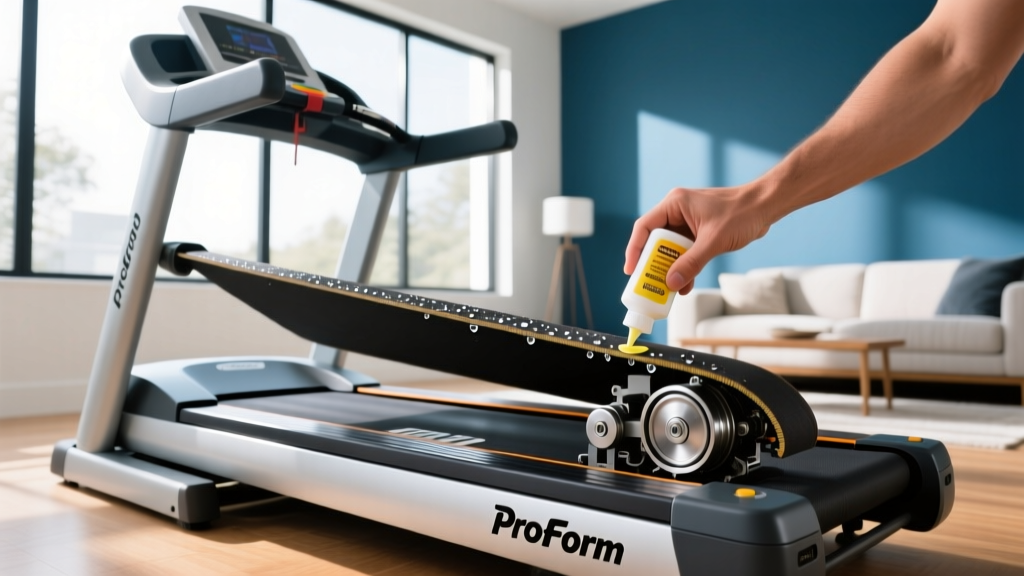
- Belt Fraying (Year 2): Budget treadmill belts are thinner and lack the multi-ply polyurethane backing of premium models. Expect to re-tension the belt every 3 months and apply 100% silicone lubricant bi-monthly to prevent motor strain.
- Incline Motor Burnout: If you purchase the Therun model with an automatic incline feature, be aware that the secondary incline motor is the weakest link. Keeping the machine on a level surface and avoiding frequent incline adjustments will extend the machine's life significantly.
Final Verdict: Maximizing Your 2026 Cardio Budget
The choice between an air bike and a budget walking treadmill ultimately comes down to your physiological goals, available space, and pain tolerance. If your goal is elite conditioning, CrossFit-style metabolic workouts, and you have the $1,300 budget, the AssaultBike Elite or Rogue Echo Bike remains the undisputed king of home HIIT. The belt-drive upgrade is mandatory for noise reduction and maintenance-free ownership.
However, if your goal is to combat a sedentary work-from-home lifestyle, accumulate 10,000 daily steps, and improve baseline heart health without destroying your central nervous system, the Therun treadmill offers unparalleled value. At roughly $350, it costs less than a single month of premium gym memberships and seamlessly integrates into a home office setup. By understanding the exact maintenance requirements and failure modes of both machine types, you can confidently allocate your 2026 fitness budget toward the equipment that will actually get used.
More gear to consider
All reviews
Best Treadmills for an Interval Training Treadmill Workout 2026
Swift Treadmill Setup: Motor Size Guide & Installation Walkthrough
Sole Treadmill Parts Delayed? Top Compact Portable Cardio Options
Home Stair Climber Guide: Is a Treadmill Good for Weight Loss?

Compact Folding Treadmill Review & How to Recycle a Treadmill