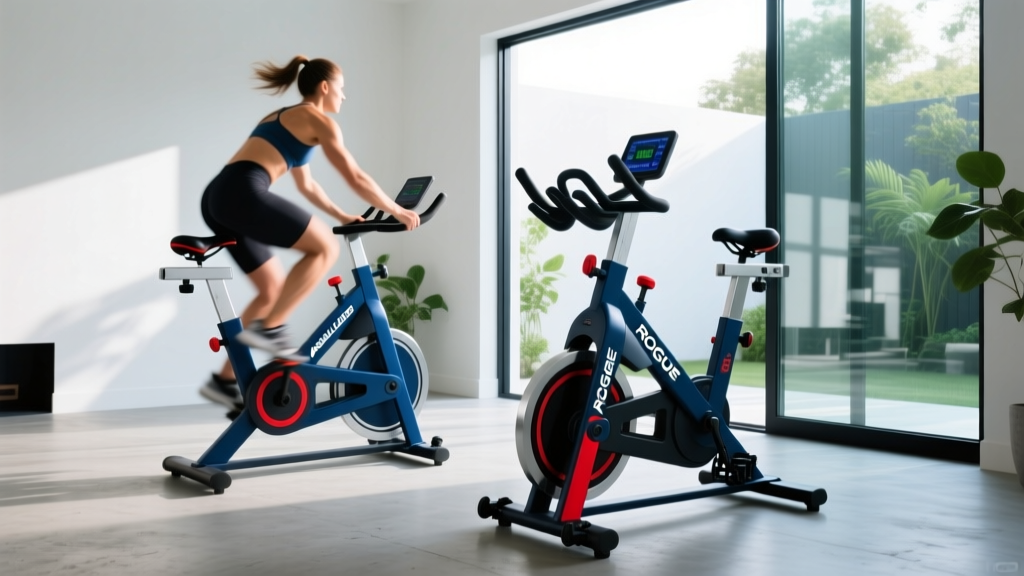
Air vs Assault Bike: Running on Treadmill vs Outside Alternatives
Explore the 2026 market shift from traditional running to air bikes. We compare AssaultBike Elite and Rogue Echo with deep hardware and ROI analysis.

The 2026 Cardio Market Shift: Beyond the Pavement and Belt
The home and commercial fitness equipment market has undergone a radical transformation over the last three years. While the endurance community remains locked in the perpetual debate of running on treadmill vs outside, the broader consumer market has decisively pivoted toward wind-resistance ergometers. According to recent fitness industry market analyses, the demand for high-intensity interval training (HIIT) equipment—specifically air bikes and assault bikes—has grown at a CAGR of 8.4% since 2024, largely driven by a growing awareness of joint longevity and the rise of gamified indoor cycling platforms.
Market Insight: The HIIT Pivot
Consumer purchasing data indicates a 22% year-over-year decline in mid-tier treadmill sales (the $800–$1,500 bracket), replaced largely by premium wind bikes. Buyers are prioritizing low-impact, high-yield metabolic conditioning over steady-state distance training.
For gym owners and home-gym enthusiasts building out their cardio corners in 2026, the choice is no longer just about picking a stationary bike; it is about selecting the right wind-resistance engineering. This guide provides a deep-dive market and hardware analysis of the industry titans: the AssaultBike Elite, the Rogue Echo Bike, and the Schwinn Airdyne Pro, while contextualizing their physiological benefits against traditional running modalities.
Hardware Matrix: Engineering the Wind Resistance Giants
To understand the market positioning of these machines, we must look past the marketing copy and examine the drivetrain, fan aerodynamics, and frame geometry. The distinction between an 'air bike' (a genericized term often associated with Schwinn) and an 'Assault Bike' (a specific brand that has dominated the CrossFit and functional fitness space) comes down to proprietary engineering choices.
| Feature | AssaultBike Elite (Gen 3) | Rogue Echo Bike (V2) | Schwinn Airdyne Pro |
|---|---|---|---|
| MSRP (2026) | $1,199 | $1,275 | $1,099 |
| Drive System | Heavy-Duty Belt Drive | Chain Drive | Belt Drive |
| Fan Design | 28-Blade Steel/Composite | 28-Blade Steel | 26-Blade Composite |
| Max User Weight | 350 lbs | 350 lbs | 300 lbs |
| Telemetry | ANT+ / Bluetooth FTMS | Bluetooth FTMS (via adapter) | Bluetooth Basic |
The Drivetrain Debate: Belt vs. Chain
The most significant engineering divergence in the 2026 market is the drivetrain. The Rogue Echo Bike remains one of the last premier commercial bikes to utilize a chain drive. While chains require periodic lubrication and tension adjustments, they offer a distinct, raw mechanical feedback that competitive athletes often prefer during max-effort sprints. Conversely, the AssaultBike Elite utilizes a polyurethane belt drive. This eliminates the need for lubrication, reduces acoustic output by roughly 40%, and provides a smoother engagement curve at lower RPMs, making it the superior choice for residential environments where noise pollution is a concern.
Biomechanics: Wind Bikes vs. The Running Paradigm
To understand why the market is shifting, we must analyze the biomechanical load. The ongoing discourse surrounding running on treadmill vs outside often centers on surface impact, shin splints, and plantar fasciitis. When running, the ground reaction forces (GRF) exerted on the knees, hips, and lumbar spine typically range from 2.5 to 3.0 times the athlete's body weight per stride.
'For athletes over 35 or those carrying a higher BMI, the repetitive eccentric loading of running—whether on the unyielding asphalt outside or the slightly dampened deck of a treadmill—accelerates cartilage degradation. Wind-resistance ergometers offer a closed-kinetic-chain alternative where the resistance scales infinitely with user output, without the gravitational impact penalty.'
According to data published by the Mayo Clinic regarding aerobic exercise and joint health, low-impact modalities that engage both the upper and lower body simultaneously yield superior cardiovascular adaptations (measured in VO2 max improvements) with a fraction of the musculoskeletal wear-and-tear. An air bike forces the user to push and pull with the arms while pedaling, distributing the metabolic demand across a larger muscle mass. This results in a faster spike in heart rate and localized muscle fatigue, allowing for highly effective 15-minute HIIT sessions that mimic the caloric expenditure of a 45-minute steady-state outdoor run.
Software Ecosystem and FTMS Integration
In 2026, hardware is only half the battle; the software ecosystem dictates user retention. The Fitness Machine Service (FTMS) Bluetooth protocol has become the industry standard for connecting cardio equipment to third-party apps like Zwift, MyWhoosh, and Kinomap.
- AssaultBike Elite: Features native, out-of-the-box FTMS support. The console seamlessly broadcasts wattage, cadence, and heart rate to iOS and Android devices, allowing users to participate in virtual global leaderboards and structured ERG-mode workouts.
- Rogue Echo Bike: Historically relied on a proprietary, closed-loop console. However, recent V2 firmware updates and official Bluetooth dongle accessories have finally bridged the gap, allowing Echo users to push telemetry to external apps, though the setup remains slightly more cumbersome than the Assault ecosystem.
- Schwinn Airdyne Pro: Offers basic Bluetooth connectivity, primarily optimized for the brand's proprietary app. It lacks the deep, open-source FTMS integration that hardcore data-driven athletes demand, which explains its declining market share in the premium tier.
Total Cost of Ownership (TCO) and Maintenance Framework
Commercial gym owners and meticulous home-gym builders must factor in the Total Cost of Ownership. A $1,200 bike that requires $150 in annual maintenance and downtime is less valuable than a slightly more expensive, zero-maintenance alternative.
Maintenance Protocol: Chain Drive (Rogue Echo)
- Monthly: Inspect chain tension. Deflection should not exceed 1/2 inch at the midpoint of the chain run.
- Quarterly: Apply a dry PTFE bicycle chain lubricant. Avoid wet lubes, which attract dust and create a grinding paste that accelerates sprocket wear.
- Annually: Check the bottom bracket bearings for lateral play. Repack or replace if grinding is detected during low-RPM pedaling.
Maintenance Protocol: Belt Drive (Assault Elite & Schwinn)
- Bi-Annually: Check belt tension. Unlike chains, belts do not stretch significantly, but the tensioner pulley may require a 2mm adjustment via an Allen key to prevent slipping during max-wattage sprints.
- As Needed: Wipe down the fan blades and belt track with a damp microfiber cloth to prevent dust buildup, which can cause the belt to track off-center and fray against the housing.
The Final Market Verdict
The 2026 cardio equipment landscape clearly favors versatility, joint preservation, and digital integration. While the traditionalist may never abandon the rhythmic meditation of outdoor miles, and the convenience-seeker will always appreciate the folding treadmill, the wind-resistance bike has carved out an undisputed niche as the ultimate metabolic conditioning tool.
For the competitive functional fitness athlete who values raw mechanical feedback and doesn't mind a 10-minute monthly maintenance routine, the Rogue Echo Bike remains a cult classic. However, for the vast majority of buyers—from garage gym owners to commercial facility managers—the AssaultBike Elite represents the superior market investment. Its belt-drive acoustics, native FTMS telemetry, and robust 350-pound weight capacity offer a frictionless user experience that aligns perfectly with the modern consumer's demand for high-tech, low-impact, and high-yield fitness solutions.
More gear to consider
All reviews
Elliptical vs Treadmill Space Guide & NordicTrack Treadmill Parts

Treadmill Cord Death & Rower Cable Care: Buying and Technique Guide
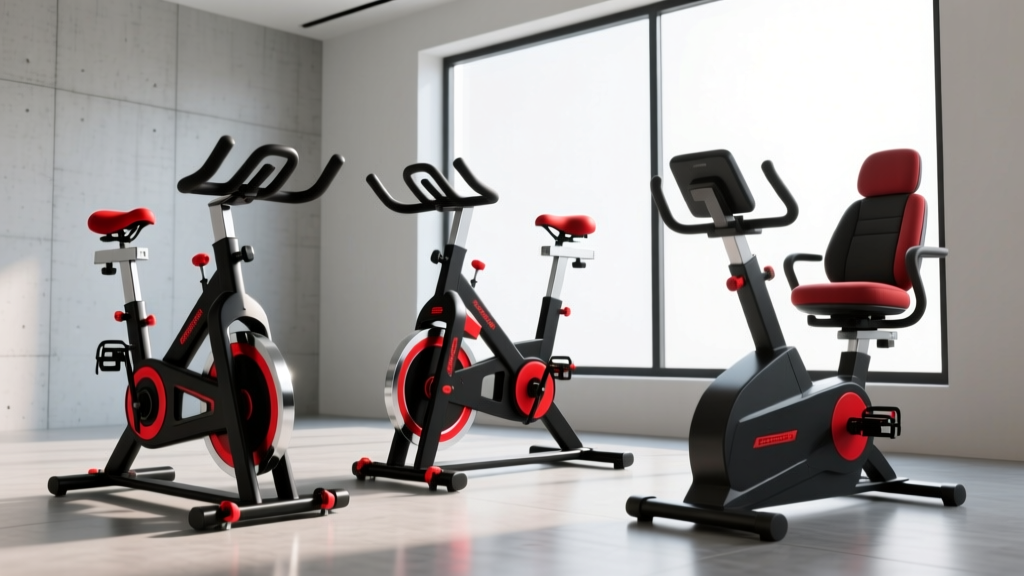
Stationary Bike Types: Budget Guide & Treadmill Removal Near Me

Stair Climber vs ProForm 285T Treadmill: 2026 Guide

Quiet Cardio: Triumph 400T Treadmill Noise Level Comparison Guide
