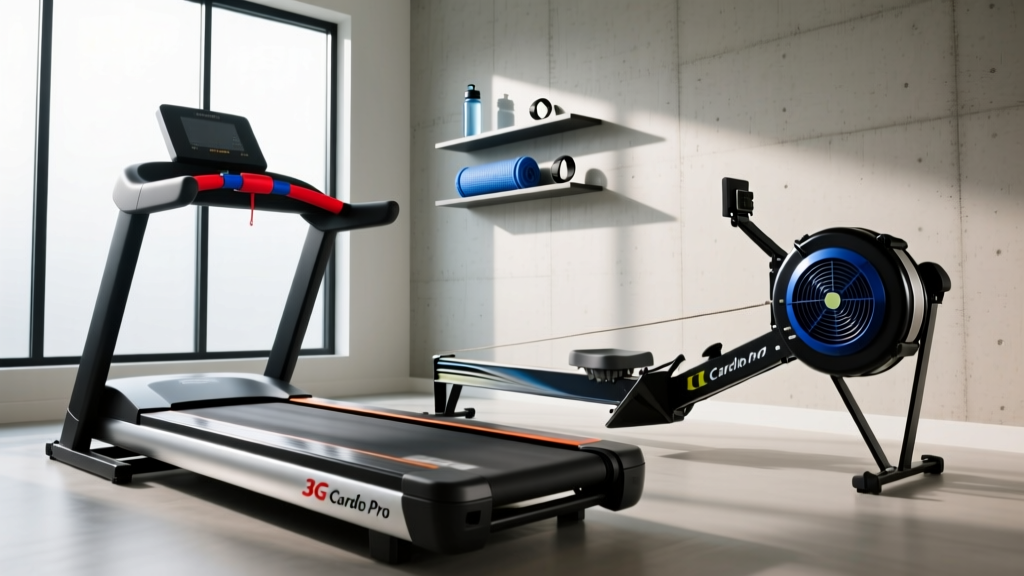
Air Bike vs Assault Bike & 3G Cardio Elite Runner Treadmill Care
Compare Air Bike vs Assault Bike longevity, plus essential maintenance tips to extend the life of your 3G Cardio Elite Runner treadmill.

The Drivetrain Divide: Air Bike vs Assault Bike Mechanics
When building a high-intensity home gym in 2026, the debate between a generic air bike and the flagship Assault AirBike Elite often comes down to long-term longevity and drivetrain mechanics. While both machines utilize wind resistance—where the Mayo Clinic notes that air resistance perfectly matches user output for HIIT protocols—their internal engineering dictates their lifespan. Generic air bikes frequently rely on chain drives, which require monthly lubrication and stretch over time, leading to a slapping noise and eventual derailment. In contrast, the Assault AirBike Elite utilizes a heavy-duty, single-stage belt drive system. This belt drive eliminates the need for chain lube, operates at a significantly lower decibel level, and reduces lateral friction on the bottom bracket.
However, belt drives are not immune to wear. The primary failure mode for the Assault AirBike is belt slippage during peak wattage outputs (1,200W+). This occurs when the rear axle tensioners lose their calibration. To maintain optimal longevity, the belt must exhibit exactly 10mm to 15mm of vertical deflection when pressed at the midpoint between the crank and the rear hub. If the deflection exceeds 20mm, the belt will slip under heavy loads, generating excessive heat that degrades the rubber compound and prematurely destroys the hub bearings.
Step-by-Step Air Bike Maintenance Protocol
To ensure your air resistance bike survives years of daily Tabata intervals, implement this bi-annual maintenance checklist:
- Fan Cage Debris Extraction: Use a shop-vac with a brush attachment to remove dust and pet hair from the polypropylene fan blades. Accumulated dust alters the aerodynamic pitch, forcing the user to work 4-6% harder for the same RPM and placing uneven stress on the crank arms.
- Bottom Bracket Sweat Shielding: The bottom bracket is the most vulnerable component on any air bike. Sweat is highly corrosive and will seep past standard seals. Apply a marine-grade silicone grease around the crank spindle every 90 days to repel moisture.
- Pedal Spindle and Cleat Inspection: Air bikes generate immense torque. Check the pedal threads for micro-fractures and ensure the crank arms are torqued to 35-40 Nm to prevent stripping the square taper or splined interface.
- Stabilizer Leveling: Uneven floors cause the frame to twist during standing sprints, stressing the welds. Adjust the rubber footpads until the 25kg steel frame sits perfectly flush without rocking.
Motorized Longevity: 3G Cardio Elite Runner Treadmill Care
While air bikes rely entirely on user-generated wattage, motorized cardio equipment demands a completely different maintenance paradigm. The 3G Cardio Elite Runner treadmill is a premium, club-quality machine featuring a 4.0 HP continuous-duty motor and a 22-inch by 62-inch orthopedic running surface. Priced around $3,499, protecting this investment requires strict adherence to friction and electrical management protocols.
CRITICAL WARNING: Never use WD-40, petroleum-based oils, or household lubricants on your treadmill belt. These substances will degrade the PVC backing of the belt and cause the deck to warp, voiding your warranty and potentially shorting the motor controller.Deck Lubrication and Belt Tracking
The 3G Cardio Elite Runner treadmill utilizes a pre-lubricated commercial belt, but this does not mean it is maintenance-free. The CDC recommends consistent cardiovascular routines, which means high-mileage users will deplete the factory silicone within months. You must apply 100% pure, PTFE-free liquid silicone lubricant every 150 miles or every three months. Apply exactly 1 ounce of silicone in a zigzag pattern under the center of the belt, then run the machine at 3.0 MPH for 5 minutes to distribute the fluid evenly across the phenolic deck.
Belt tracking is equally vital. If the belt drifts to the left or right, it creates uneven friction, forcing the 4.0 HP motor to draw excess amperage. This excess draw heats the motor windings and can trip the internal thermal breaker. Adjust the rear roller bolts using an Allen wrench, turning only one-quarter turn at a time, until the belt tracks dead center.
PCB and Motor Hood Dust Mitigation
The printed circuit board (PCB) is the brain of the 3G Cardio Elite Runner treadmill. It regulates the speed and incline motors based on user input. The number one killer of treadmill PCBs is static electricity combined with conductive dust. Every 90 days, unplug the machine, remove the plastic motor hood, and use compressed air and an anti-static microfiber cloth to clean the motor vents and the PCB housing. Ensure the grounding wire from the motor to the frame is securely fastened to dissipate static buildup generated by the friction of the running belt.
Comparative Lifespan and Cost Matrix
Understanding the financial and temporal investment of different cardio modalities helps in planning your home gym's long-term budget. Below is a comparison of expected maintenance costs and lifespans for high-end air bikes versus premium motorized treadmills.
| Equipment Type | Avg. Retail Price (2026) | Annual Maintenance Cost | Expected Lifespan | Primary Failure Point |
|---|---|---|---|---|
| Assault AirBike Elite | $1,299 | $15 - $25 | 10 - 15 Years | Bottom Bracket Bearings |
| Generic Chain Air Bike | $699 | $40 - $60 | 3 - 5 Years | Chain Stretch / Derailment |
| 3G Cardio Elite Runner Treadmill | $3,499 | $30 - $50 | 12 - 20 Years | PCB / Motor Controller |
Environmental Control: The Silent Equipment Killer
Whether you are maintaining an Assault AirBike or the 3G Cardio Elite Runner treadmill, ambient environment plays a massive role in equipment longevity. Garages and uninsulated basements are notorious for fluctuating humidity levels. When humidity exceeds 60%, sweat and ambient moisture condense on exposed steel and electronic contacts.
"The corrosion rate of untreated carbon steel doubles for every 15-degree increase in temperature when relative humidity is above 60%. For gym equipment, this means pivot points and internal bearings degrade exponentially in unclimate-controlled spaces."
— Materials Science & Fitness Equipment Engineering Report
To combat this, keep your cardio room between 40-50% humidity using a dehumidifier. Furthermore, always place a high-density EVA foam mat under your treadmill. This not only dampens acoustic vibration but also prevents micro-movements that can scratch hardwood floors and destabilize the treadmill's leveling feet over time.
Expert Troubleshooting Checklist
- Air Bike Squeak on Downstroke: Usually indicates dry pedal bearings or a loose crank arm. Remove the crank, clean the splines, and reinstall with a fresh layer of grease and proper torque.
- Treadmill Belt Hesitation: If the 3G Cardio Elite Runner treadmill belt stutters when you step on it, the belt is too loose, or the deck lacks lubrication. Perform the 'push test'—the belt should not easily push over the deck without resistance. If it slides freely, it needs tightening or silicone.
- Treadmill E1 Error Code: This typically signifies a communication error between the console and the lower motor control board. Check the data cable running up the upright stem for pinch points or loose connections before assuming the PCB is dead.
Ultimately, the choice between the raw, user-generated resistance of an Assault AirBike and the structured, cushioned mileage of a premium treadmill comes down to your training goals. However, by adhering to these precise, manufacturer-aligned maintenance protocols, you ensure that your cardio equipment remains a reliable asset rather than a depreciating liability, delivering peak performance for years to come.
More gear to consider
All reviews
Treadmill Motor Guide: Picking the Right CHP for Free Treadmill Apps

Goplus 2 in 1 Folding Treadmill Manual & Walking Pad Review

NordicTrack Commercial X22i Treadmill Details: Setup & Motor Guide

Pro NRG Treadmill Noise vs Quiet Cardio: Step-by-Step Guide
Treadmill Vision: Troubleshooting Sightlines on Curved vs. Motorized Models